
Last updated November 15, 2026
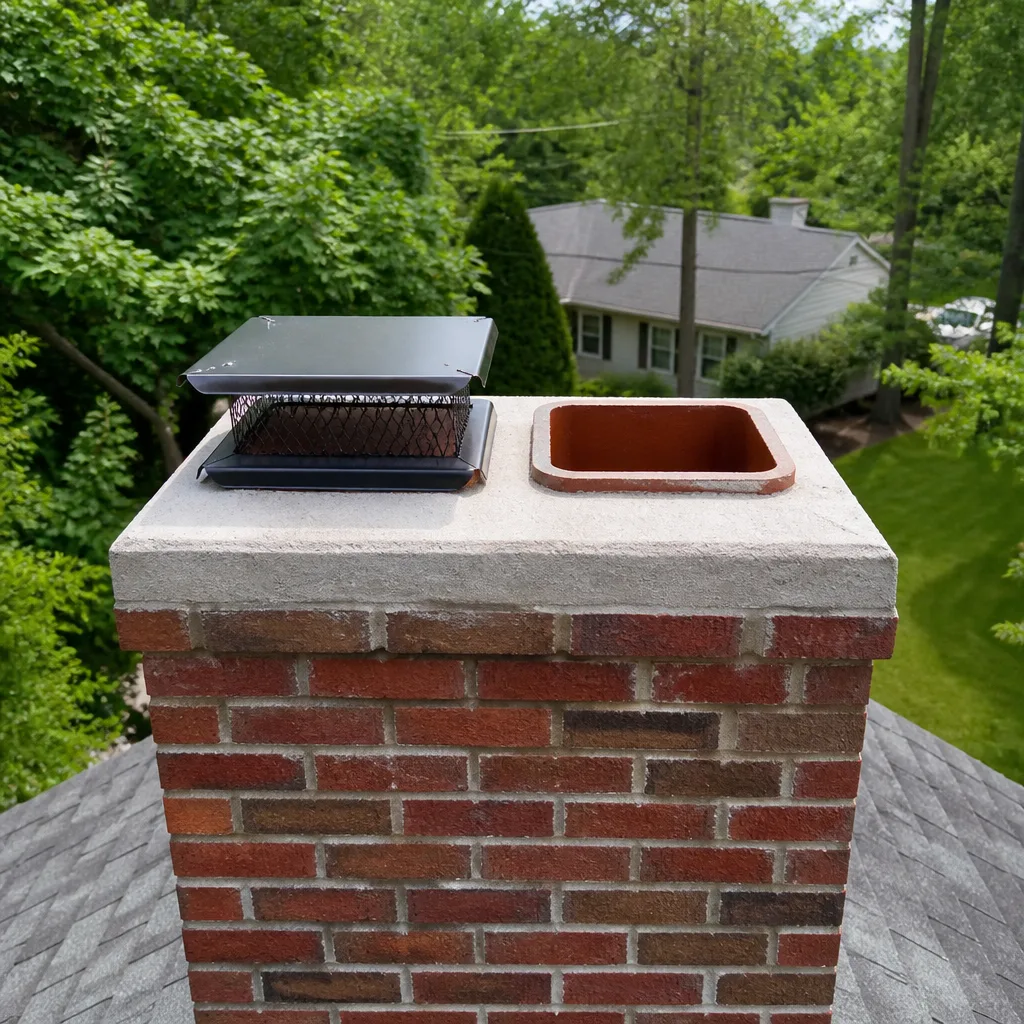 Sweep & inspection
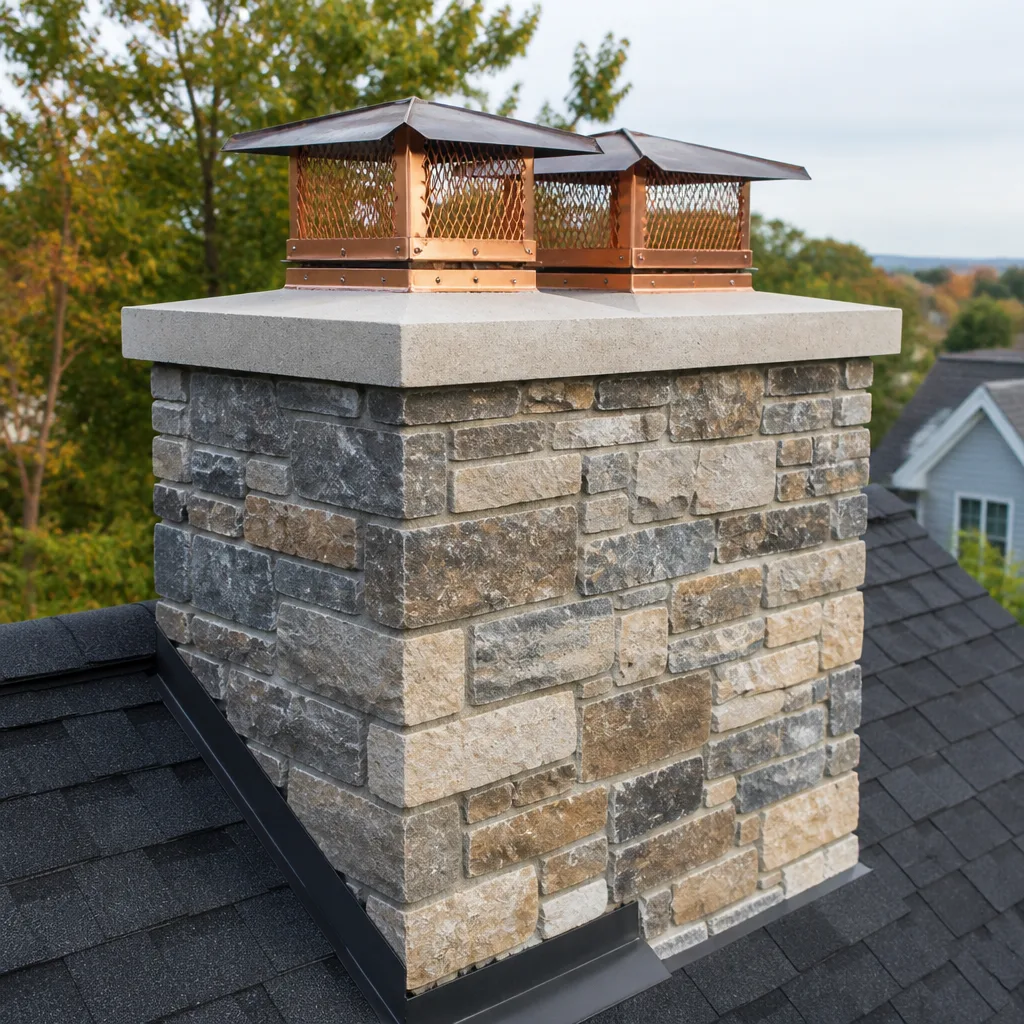 Caps & crowns
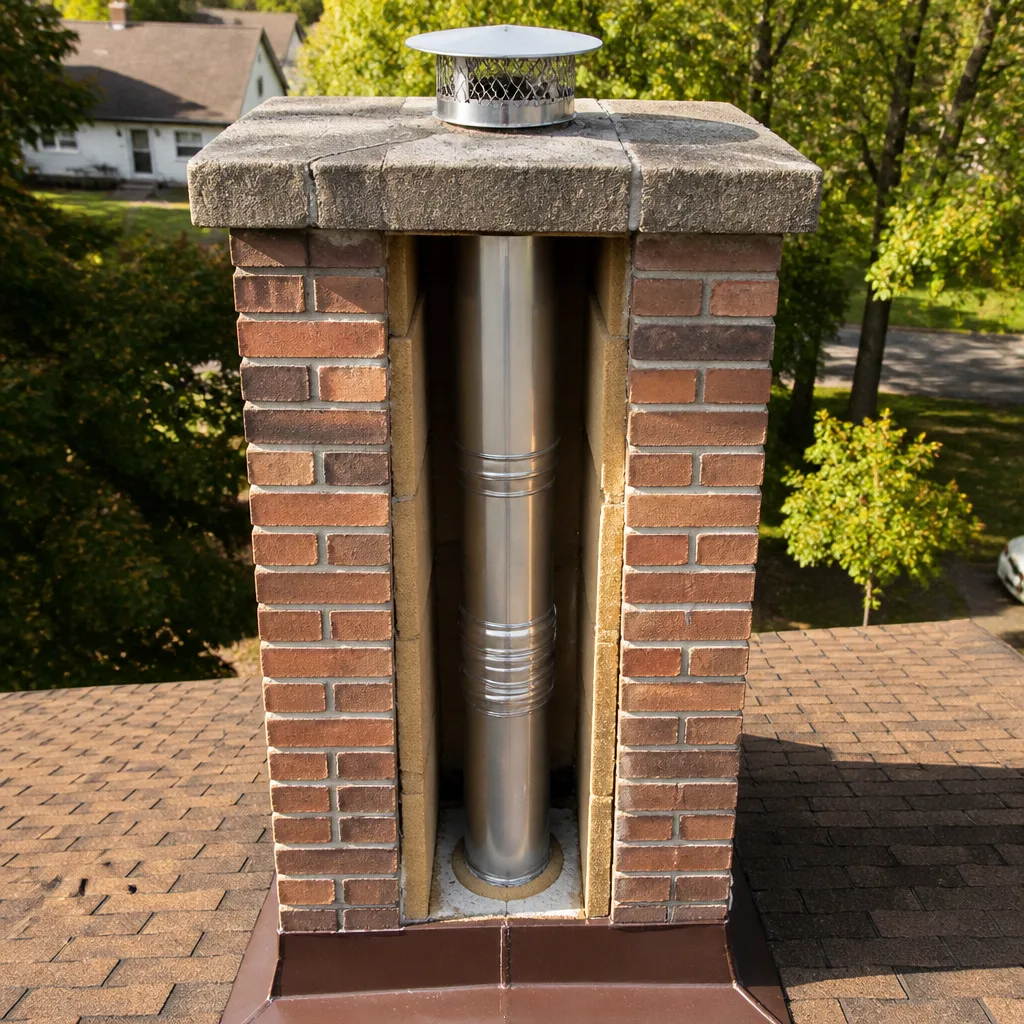 Flue relining
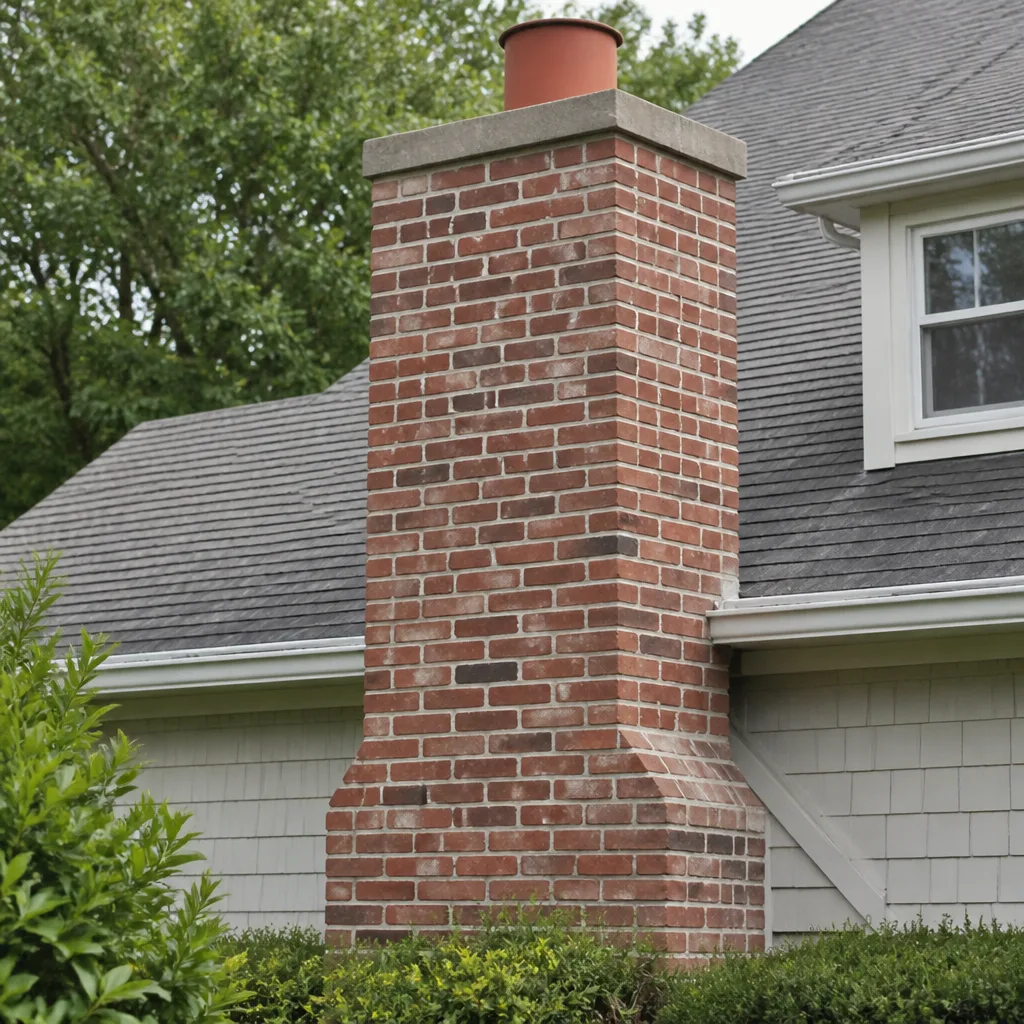 Masonry repair
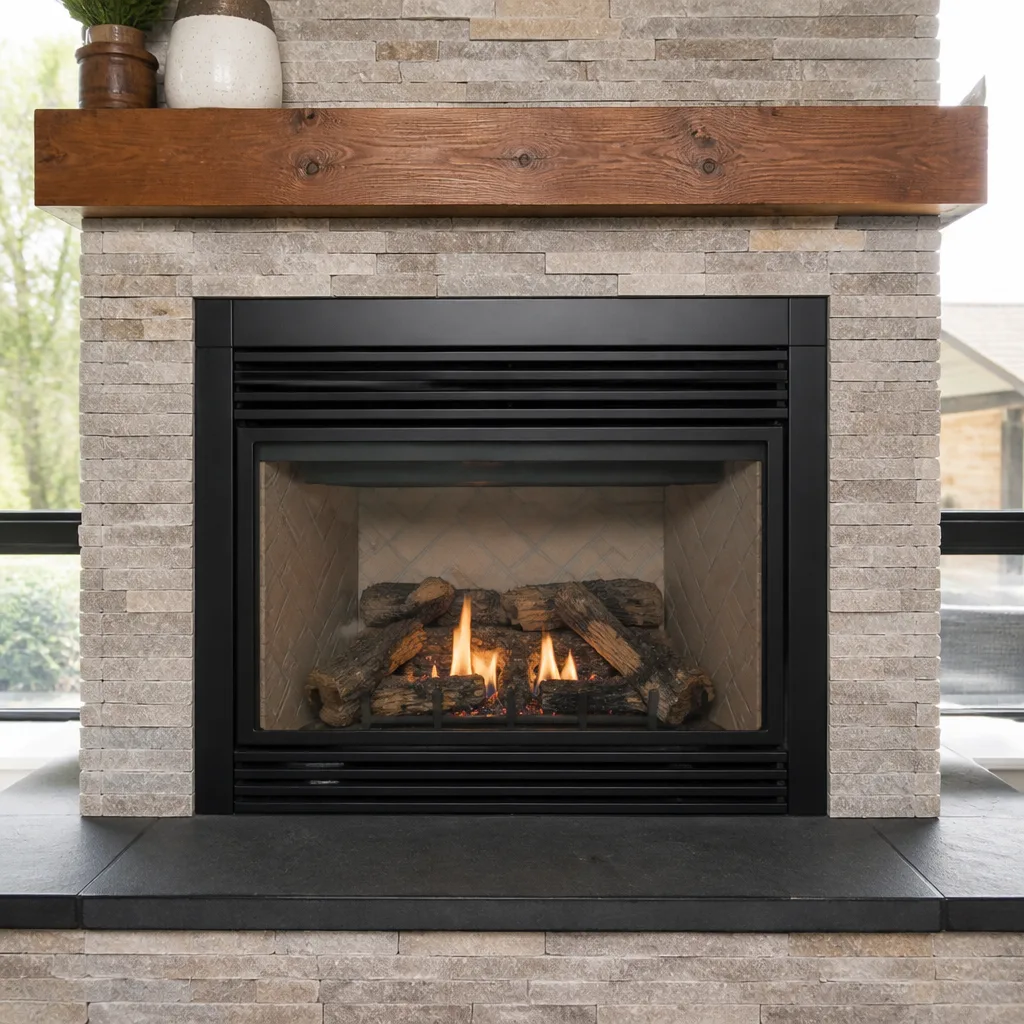 Gas fireplace service
Level 1 sweep and inspection to the NFPA 211 annual standard - flue, crown, cap, and flashing checked and photographed
Chimney sweep logs do not sweep chimneys. They loosen some creosote - which then falls where a brush and vacuum still have to collect it.
The Complete Guide to Chimney Cleaning in Odessa
Most Odessa homeowners light their fireplace fewer than 20 nights a year, and many assume that light use means there’s nothing to worry about. The opposite is often true. Short, low-heat fires are the fastest route to glazed, Stage 2 creosote, because a cool flue lets smoke condense on the walls instead of venting cleanly. A chimney that runs hot every night for five months can actually stay cleaner than one that sees a dozen lazy fires a season. This guide maps how creosote and debris really build up in West Texas conditions, what a real cleaning involves, and how to read the report you get afterward.
Quick Answer
Chimney cleaning in Odessa means removing creosote, soot, and caliche dust from the flue, firebox, and smoke chamber, then confirming with a camera inspection that the liner is intact. It’s a diagnostic process, not a quick brush-and-go, and it should end with a written report you can actually read.
Styles & brands we work with
- Sweep & inspection
- Caps & crowns
- Flue relining
- Masonry repair
- Gas fireplace service
Table of Contents
- Why Odessa’s Burn Season Makes Creosote Worse
- The Three Stages of Creosote and How Each Is Detected
- Caliche, Permian Basin Dust, and Liner Wear
- What a Full-Service Cleaning Sequence Actually Includes
- How to Read a Post-Cleaning Report
- What Chimney Cleaning Costs in Odessa
- How Often Should You Schedule Cleaning?
- Sweep, Repair, and Inspection: Why They Belong Together
Why Odessa’s Burn Season Makes Creosote Worse
In cold climates, a fireplace runs hot and often, and that sustained heat keeps flue temperatures high enough to carry most of the smoke out before it can condense. Odessa doesn’t work that way. Winters here are mild, so the burn season is short and the fires are occasional. A homeowner might burn a few evenings in December, skip January, and light up again in February. Each of those fires is a cold start.
A cold flue is the problem. When the chimney isn’t warmed through, smoke cools fast against the liner walls. Cooled smoke leaves behind a wet, sticky film that hardens into creosote. Because the next fire might not happen for weeks, that film has time to cure and thicken before the next layer lands on top of it. Frequent hot burns tend to produce dry, flaky soot that brushes away easily. Intermittent low-heat burns produce dense, glazed deposits that don’t.
That’s the paradox worth understanding: a lightly used Odessa fireplace can carry heavier creosote than a fireplace in a colder market that runs every night of the season. It’s not how many fires you have. It’s how cool the flue runs while you have them.
What this means in practice
- A fire that smolders because the damper is partially closed or the wood is unseasoned deposits more than a hot, clean fire.
- Unseasoned or green wood is a major contributor. It spends its heat boiling off moisture instead of warming the flue.
- Short evening fires on cold days are the highest-risk pattern for glazed buildup.
- Long gaps between fires let deposits cure hard instead of burning off.
This is why we don’t set cleaning schedules by the calendar alone. Two Odessa homes with identical fireplaces can be in completely different condition depending on how they burn. The firebox and flue decide the schedule, not the date on the wall. If you want to understand what a proper evaluation looks like, our guide to a professional chimney sweep walks through the process.
The Three Stages of Creosote and How Each Is Detected
Not all creosote is the same, and that matters because each stage requires a different method to find and remove. A brush that clears Stage 1 buildup will skate right over Stage 3.
Stage 1: Sooty, flaky residue
Stage 1 creosote looks like dark, dry soot or loose flakes. It brushes off readily and usually forms after a single burn season or a handful of fires. Detection is straightforward: a visual inspection of the flue interior shows the coating and a standard brush removes it. Most light-use fireplaces start here.
Stage 2: Dense, crusty, slightly sticky deposits
After a few seasons of intermittent burning, the flaky layers consolidate into a crunchier deposit that clings to the walls. Stage 2 creosote won’t simply brush away and it can’t be handled with a light pass. It’s the stage where fire risk climbs sharply, because it’s thick enough to burn and sticky enough to hold a spark. Detection needs a closer look: a camera inspection shows the texture and coverage, and a scraper or rotary tool is typically needed to break it down. HeatShield resurfacing comes into play when the firebox or flue surfaces have been pitted or scored by Stage 2 deposits being removed.
Stage 3: Glazed, hardened, almost tar-like
Stage 3 creosote is a hard, shiny glaze. It can look almost like black glass and it’s extremely difficult to remove. It’s also the most hazardous form, because it ignites at lower temperatures and burns hot. Brushing won’t touch it. Detection really requires a dual-camera video system, since the reflective surface itself conceals how thick the glaze is and whether the liner underneath has cracked. A professional with proper video equipment can see both the coating and the substrate in the same pass.
Why the camera matters
From the firebox, you can see maybe the first two or three feet of flue. Everything above that is guesswork without a camera. A dual-cam system lets a technician see the full run, including the chimney cap, damper, smoke chamber, and liner, and it lets you see the same footage. That’s the difference between “looks fine” and evidence.
Caliche, Permian Basin Dust, and Liner Wear
Odessa’s air carries something most cleaning guides never mention: caliche dust and fine Permian Basin soil. Alkaline caliche is a calcium carbonate formation common in West Texas. Under the wind load the region gets, airborne caliche and clay particles find their way into chimney caps, spark arrestors, and the flue itself. It’s not just cosmetic.
Two things happen. First, grit combines with creosote residue to form a more abrasive paste than creosote alone. On every brush pass, that grit works against the liner surface. Over years, the combination of deposit and abrasion can accelerate liner wear. Second, dust accumulates in and around the cap, and a partially clogged cap changes how the chimney drafts. Restricted airflow means slower smoke and more condensation, which loops back to more creosote.
What keeps dust out
A properly sized, spec-grade cap is the first line of defense. Improvised caps or hardware-store covers tend to fit poorly and let wind-driven dust straight through. We install Famco and Gelco caps and covers precisely because they’re contractor-specified, correctly sized components, not something adapted to fit. A good cap also keeps rain, birds, and debris out of the flue and is one of the simplest moisture-protection measures you can take on a chimney.
Between cleanings, homeowners can reduce accumulation by keeping an eye on the cap, clearing obvious debris from around it, and burning only well-seasoned wood. But the interior of the flue can only be safely checked with a camera. That’s the inspection’s job.
What a Full-Service Cleaning Sequence Actually Includes
A lot of “chimney cleaning” runs a brush down the flue and calls it done. That’s not a cleaning; it’s a surface pass. Here’s what the full sequence looks like, step by step, when it’s done properly.
- Pre-clean inspection. A camera inspection comes first, not last. It documents what’s actually in the flue before anything is disturbed, which is how you know the cleaning made a difference.
- Protecting the room. Drop cloths go down and a HEPA vacuum runs during the entire job to capture airborne soot and caliche dust. This step matters in any room with carpet, furniture, or electronics nearby.
- Brush sizing. The brush is matched to the flue’s actual inside dimension. Too small and the corners never get touched. Too large and the bristles bind, miss the walls, or damage the liner. Contractor-specified brushes get this right.
- Flue cleaning. The flue is brushed from the roof down or from the firebox up, depending on the system, then scraped where Stage 2 or Stage 3 deposits are present. Glazed areas may need rotary tools.
- Firebox and smoke chamber cleaning. These are often skipped by quick-clean crews. The smoke chamber above the damper is a classic creosote trap and needs dedicated attention.
- Damper and cap check. The damper should open and close cleanly, and the cap should be free of dust-blockage and intact.
- Post-clean camera inspection. The camera goes back down the flue to confirm removal and to look for cracks, gaps, or separated liner sections that weren’t visible under the deposit.
- Written report. You get documentation of what was found, what was removed, and what condition the liner, firebox, and cap are in.
Notice that the inspection brackets the whole job. That’s deliberate. You can’t recommend a repair you haven’t seen, and you can’t prove a cleaning worked without a record.
How to Read a Post-Cleaning Report
The report is where a lot of homeowners get lost. Here’s what a useful one contains, and what it should let you verify.
What the report must include
- Photos or video captures of the flue before and after cleaning. If you can’t see the interior, you can’t verify anything was cleaned or that the liner is intact.
- The creosote stage found, level by level if it varies. Stage 1 in the upper flue and Stage 2 near the firebox is a common pattern.
- Liner condition, described specifically. Not “fair” or “shows wear” but what the camera found: cracks, pitting, gaps, or a broken section.
- Firebox and smoke chamber notes. These should describe condition and whether any resurfacing is needed.
- Cap and damper status. Intact, blocked, rusted, or missing.
- Clear recommendations with a distinction. What should be handled now and what can safely wait.
That last point is important. A report that reads “needs full reline immediately” without a photo of a failed liner is a red flag. Nothing should be recommended without evidence you can see. If your report doesn’t include images, ask for them. A proper inspection provides them.
What a good report lets you ask
A report you can actually read is one that lets you push back. If a recommendation doesn’t match the photo, you should feel free to ask why. If a section reads thin or vague, ask for the camera footage. If the report says the flue is fine, that’s good news you can now trust because you’ve seen it. That single change, evidence over claims, is what separates a real inspection from a sales visit.
What Chimney Cleaning Costs in Odessa
Cleaning costs vary with accessibility, how much buildup is present, and whether a cap or repair is added in the same visit. The numbers below are typical estimates for the Odessa market, not fixed prices. A written estimate sets the final number once the chimney has been inspected.
| Service | Typical Estimate | What’s Included |
|---|---|---|
| Standard sweep (single-flue fireplace) | $180 – $320 | Pre-clean inspection, full flue and firebox cleaning, post-clean camera check, written report |
| Sweep with heavy creosote (Stage 2) | $260 – $420 | Rotary tooling and scraping as needed, plus full inspection and report |
| Chimney inspection only | $120 – $250 | Camera inspection with photo report, no cleaning |
| Chimney cap installation | $150 – $400 | Properly sized contractor-grade cap and fitting |
| Firebox resurfacing (HeatShield) | $450 – $900 | Firebox or flue restoration where surfaces are pitted or cracked |
| Liner replacement (DuraFlex) | $2,200 – $4,500 | Full relining with a contractor-grade liner system, when inspection shows the existing liner has failed |
Two things to hold onto. First, the price is set by the written estimate after the inspection, not by a phone quote. Second, a quote that’s dramatically lower than these ranges usually means one of two things: an incomplete job, or a phone number that turns into a much higher number once the crew is on the roof. Ask up front whether the inspection and written report are included in the price.
The real sticker shock most homeowners worry about is liner replacement. That’s fair. If a technician says you need one, ask to see the footage. A cracked or separated liner is visible on camera, and so is a liner that’s intact. On the other hand, if the report shows a fine liner and the only recommendation is a sweep and a new cap, that’s usually honest and worth taking. Call (833) 486-7503 for an exact estimate on your chimney. Estimates are free.
How Often Should You Schedule Cleaning?
For most Odessa homes, once a season is the right rhythm if the fireplace gets regular use. For a fireplace used fewer than 20 nights a year, an annual inspection is the sensible baseline, with cleaning scheduled whenever the inspection shows meaningful buildup. The inspection decides the sweep, not the calendar.
Signs you shouldn’t wait
- Soot streaks above the fireplace opening or on the mantel
- A strong, acrid creosote odor in the room when the fireplace is not burning
- Smoke rolling back into the room instead of going up the flue
- Visible glazed or shiny material inside the firebox or first section of flue
- An unusual, deeper than normal sound when you tap the flue liner
- Any bird or animal activity around the chimney cap
- Water stains on the firebox or smoke chamber ceiling
Odessa’s dust load gives a few of these extra weight. Soot streaks can appear faster than in less dusty climates, and cap blockage from caliche grit and debris tends to build up between seasons. The general recommendation from the chimney trade is an annual inspection regardless of how much burning happened. That’s a reasonable floor for any active fireplace, and it matches how we approach schedule planning here.
Sweep, Repair, and Inspection: Why They Belong Together
Chimney work breaks down into three functions, and they only stay reliable when the same company handles all three. The sweep removes buildup and provides the first evidence. The inspection documents the flue, liner, firebox, cap, and damper. The repair corrects what the inspection finds, using contractor-specified materials rather than adapted hardware.
Why does that matter? Because when these are split across different companies, information gets lost in the handoff. A sweep who finds a cracked liner hands off to a repair company who hasn’t seen the original photos. A repair crew that only does relining doesn’t have a resurfacing capability, so a firebox that could be restored with HeatShield resurfacing gets recommended for full replacement instead. And an inspection sold as a standalone by a company that doesn’t do repairs has an incentive to make problems sound urgent without offering the solution.
Handling all three under one roof keeps the evidence, the diagnosis, and the fix in the same set of hands. It also means a DuraFlex liner system can be specified and installed during a repair visit instead of scheduled as a separate job after a second evaluation. If you want to compare options, our overview of chimney repair covers what a typical repair call involves.
We’ve seen the same pattern enough times to trust it: the company that does the sweep should also be the one that reads the inspection and does the repair. That continuity is worth more than a nominally lower quote from three different contractors who never talk to each other.
Common Mistakes to Avoid
- Assuming light use means no cleaning needed. A fireplace used a dozen times a season in Odessa can carry more glazed creosote than one used every night in a colder market. Use-deposit is a myth; cool-flue burn patterns are what actually matter.
- Cleaning without an inspection. A brush alone can’t tell you whether the liner is cracked. The camera inspection isn’t an upsell, it’s the whole point.
- Accepting a recommendation without photos. Any repair recommendation from a chimney professional should come with images of what’s wrong. If it doesn’t, ask for them.
- Burning unseasoned wood. Green or damp wood spends its heat on moisture and dumps more creosote into the flue in one fire than properly dry wood does in several.
- Ignoring the chimney cap. Odessa’s caliche dust and wind-driven debris clog cheap caps fast. A properly sized contractor-grade cap is the difference between a drafty chimney and a blocked one.
- Letting three separate contractors handle one chimney. The company doing the sweep should be the one reading the inspection and the one making repairs. Skipping the handoff is how fireboxes get replaced that could have been resurfaced.
- Skipping the smoke chamber. The smoke chamber above the damper traps creosote and is frequently skipped by quick-clean crews. Ask specifically whether it was cleaned.
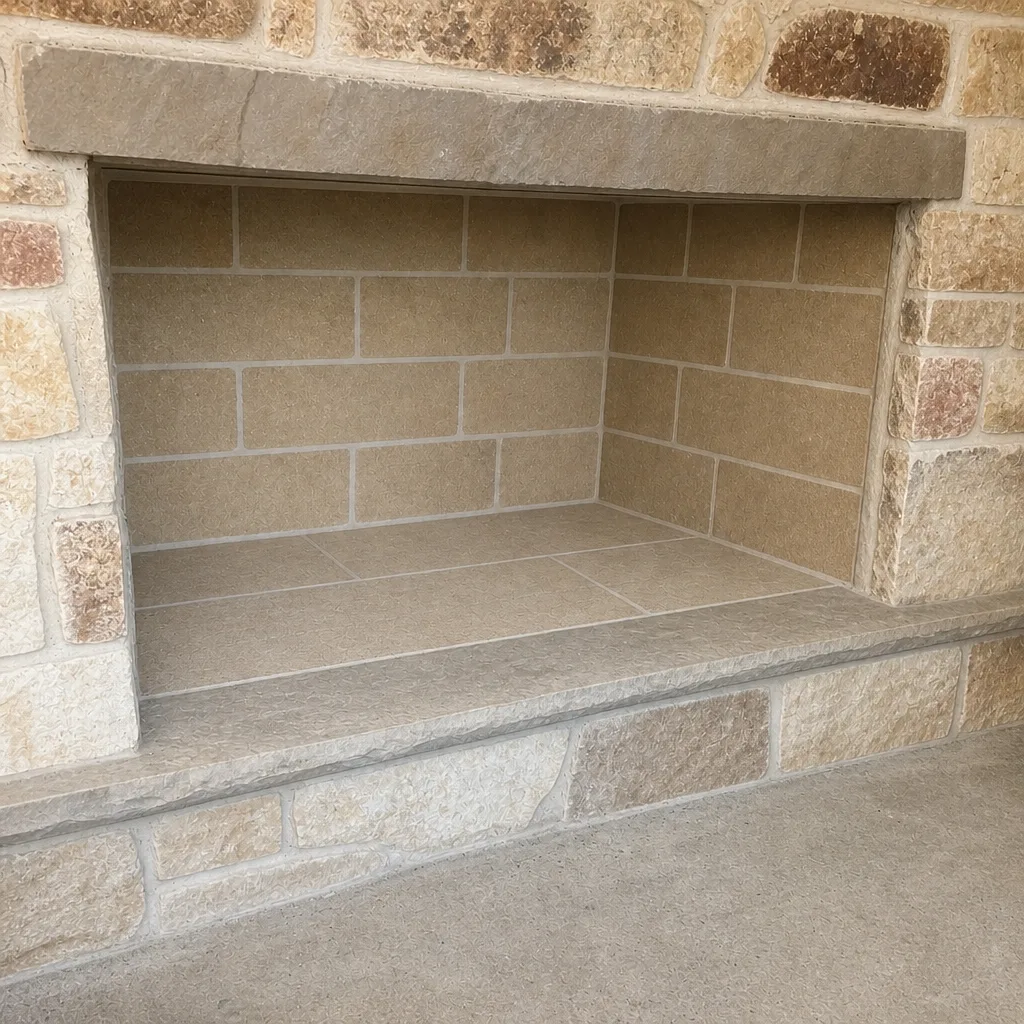
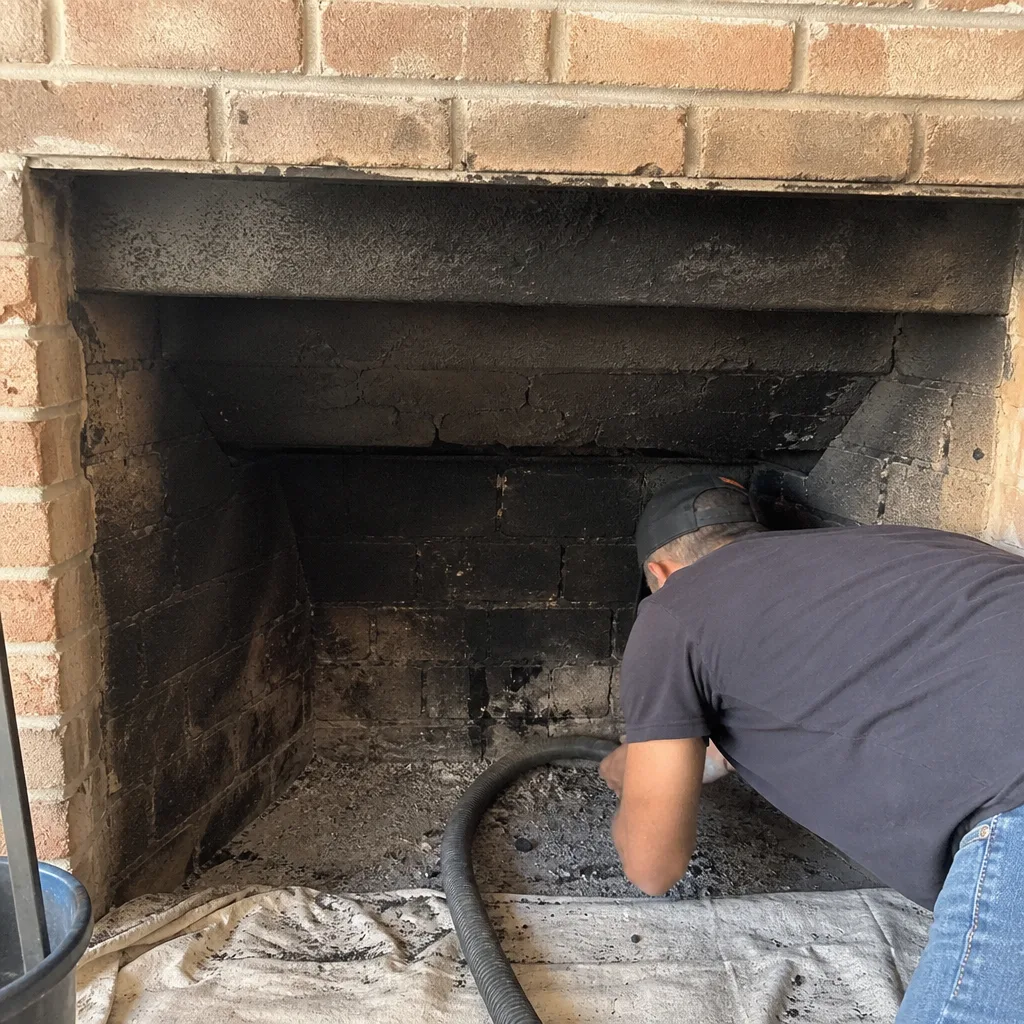
See the difference
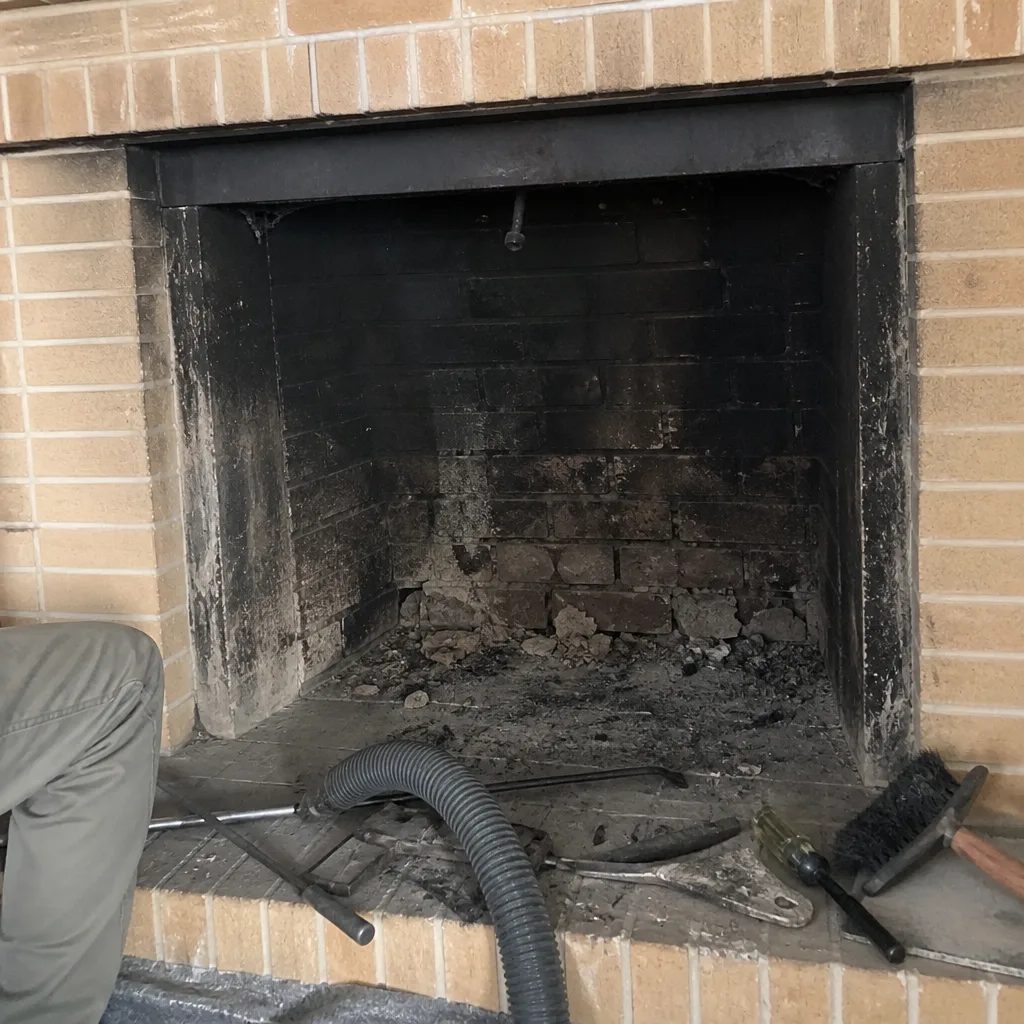 Before
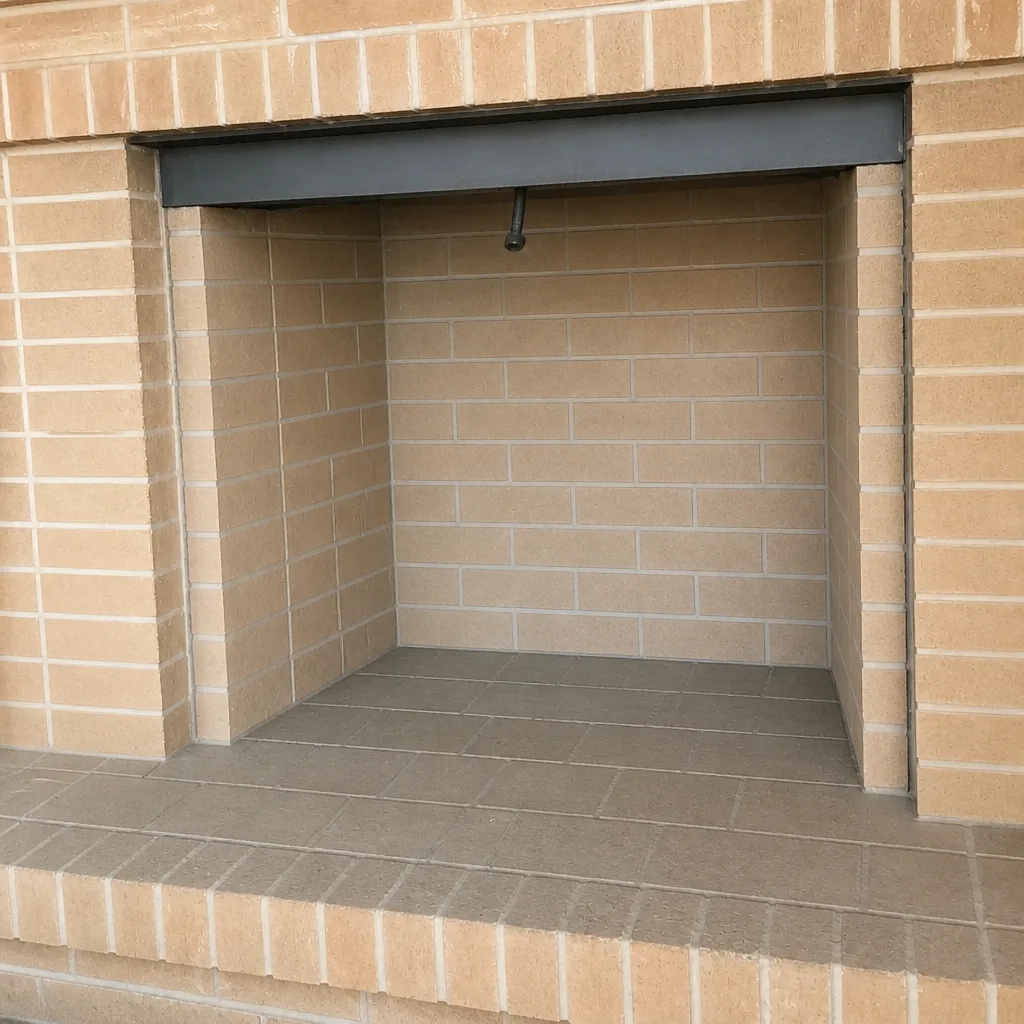 After
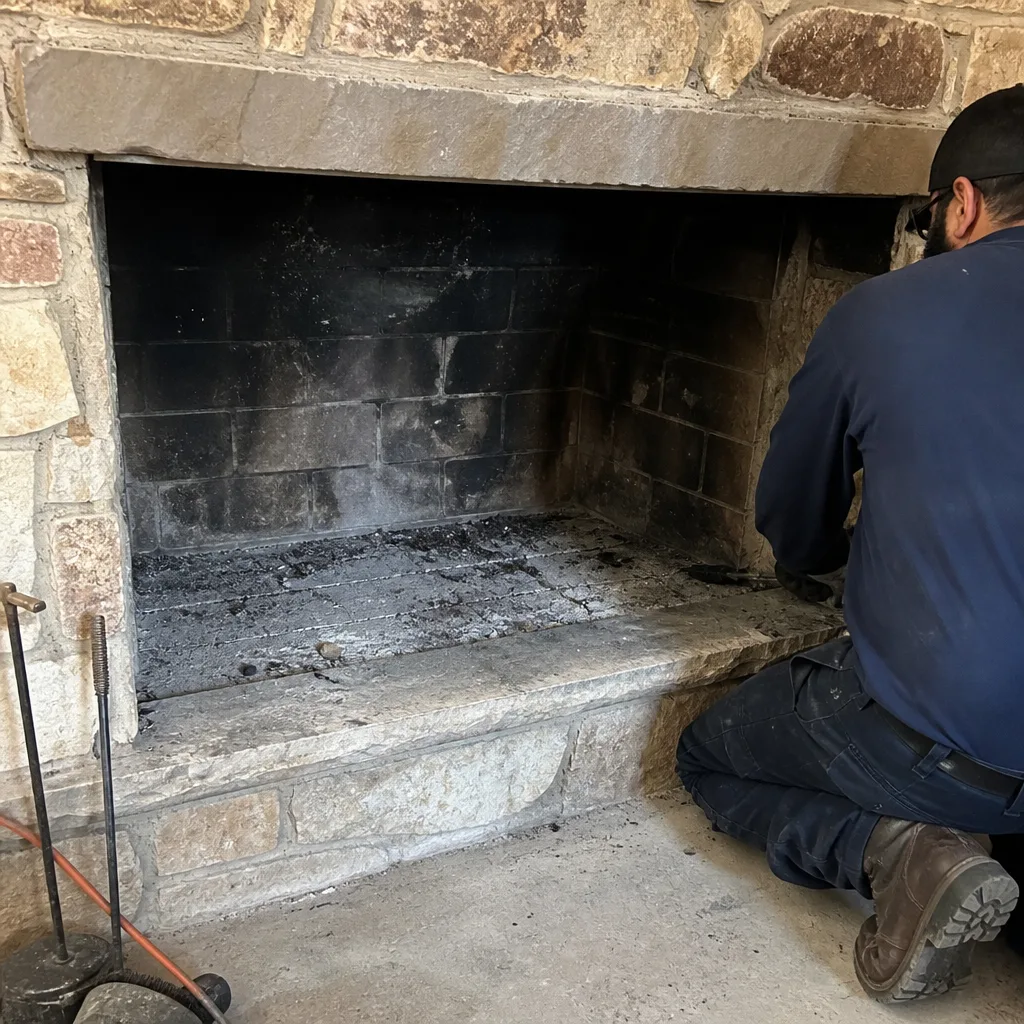 Before
 After
 Before
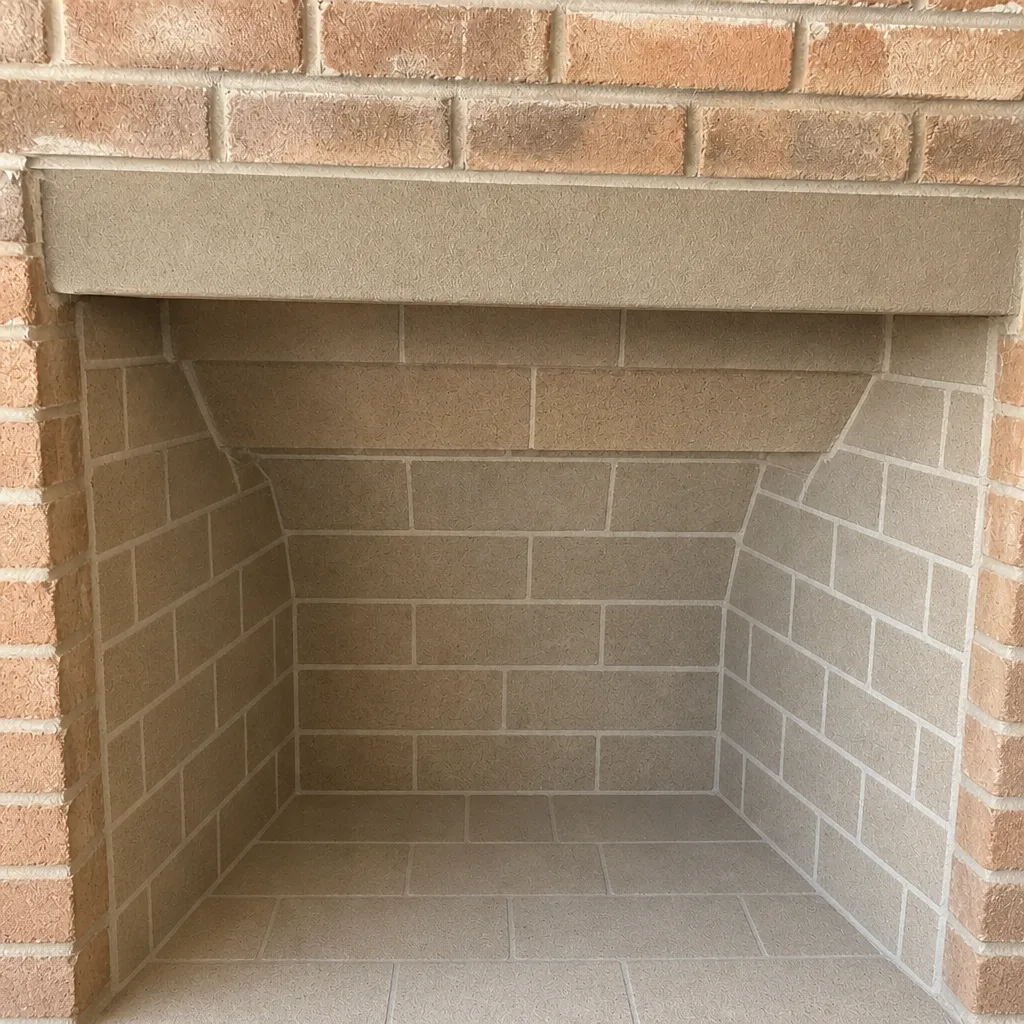 After
When to Call a Professional
Call a professional if you see glazed, shiny deposits in the firebox or flue, if smoke backs into the room, if you notice an odor when the fireplace isn’t lit, or if it’s been more than a season since the last inspection. Call sooner if the cap looks blocked or damaged, if any animal activity is evident around the chimney, or if water is getting into the firebox. And if you’re in a home with a fireplace of unknown condition, a camera inspection is the right first step before any fire is lit. Chimney Sweep Odessa offers free estimates in Odessa, so call (833) 486-7503. We answer 24/7. Fast dispatch from 7am to 7pm, Sunday through Friday.
Frequently Asked Questions
A standard chimney cleaning in Odessa typically runs about $180 to $320 depending on accessibility and the amount of buildup, with heavier Stage 2 deposits running closer to $260 to $420. The final price is set by the written estimate after the inspection and includes the camera check and report. Call (833) 486-7503 for an exact quote. Estimates are free.
Only if the inspection shows the liner has actually failed, meaning cracks, gaps, or a separated section visible on camera. A failed liner lets flue gases and heat escape into the structure, and there is no safe way to keep using the chimney until it’s corrected. But the recommendation should come with photos of the damage, so ask for them, and ask whether the issue can be resolved with resurfacing instead of full replacement. Call (833) 486-7503 for a free estimate and a camera-based answer.
Once per season for a regularly used fireplace, and at least an annual inspection for any active chimney. Light-use fireplaces in Odessa still need an annual look because intermittent, low-heat burns are the fastest route to Stage 2 buildup. Call (833) 486-7503 to get an inspection on the schedule before the season starts.
Creosote accumulates until it can ignite, and a flue fire can burn inside the chimney long enough to damage the liner and the surrounding structure. If you skip cleaning long enough, the deposits can also close off the flue and push smoke back into the room. The risk grows with each season of buildup, not with each fire. Call (833) 486-7503 to get an inspection scheduled.
Because Odessa’s mild winters mean fires are occasional and often cool, and a cool flue lets smoke condense harder than a hot, continuously used one. Caliche and Permian Basin dust also mix with the residue, creating a denser and more abrasive deposit. The result is a fouling profile that generic cleaning schedules miss entirely.
In most cases, yes. When the inspection during a sweep finds something repairable, we can often handle it in the same visit using contractor-grade materials like a DuraFlex liner system, Famco cap, or HeatShield firebox resurfacing. If the fix requires a part we don’t have on hand, we schedule the follow-up with the same documented findings. Call (833) 486-7503 to book.
We serve homeowners across Odessa and the surrounding West Texas area, including homes near the Permian Basin corridor and neighborhoods throughout the city. If you’re not sure whether your address is covered, call us at (833) 486-7503. You can also read more about the area at our Odessa page.
The Bottom Line
Chimney cleaning in Odessa isn’t a quick brush-and-go, and it shouldn’t be scheduled by calendar alone. The short burn season, low-heat intermittent fires, and alkaline caliche dust combine to produce a fouling profile that’s specific to this region, and one that an inspection-first approach is built to catch. The camera check brackets the whole job, the written report is the proof, and the decision to repair should always follow evidence you can see, not a recommendation you can’t verify. If it’s been a season since the last inspection, that’s the next call to make. You can start at our Chimney Sweep Odessa page.
Contact us: Call (833) 486-7503 for a free estimate. We answer 24/7. Fast dispatch from 7am to 7pm, Sunday through Friday.
Written by the team at Chimney Sweep Odessa.