
Last updated November 15, 2026
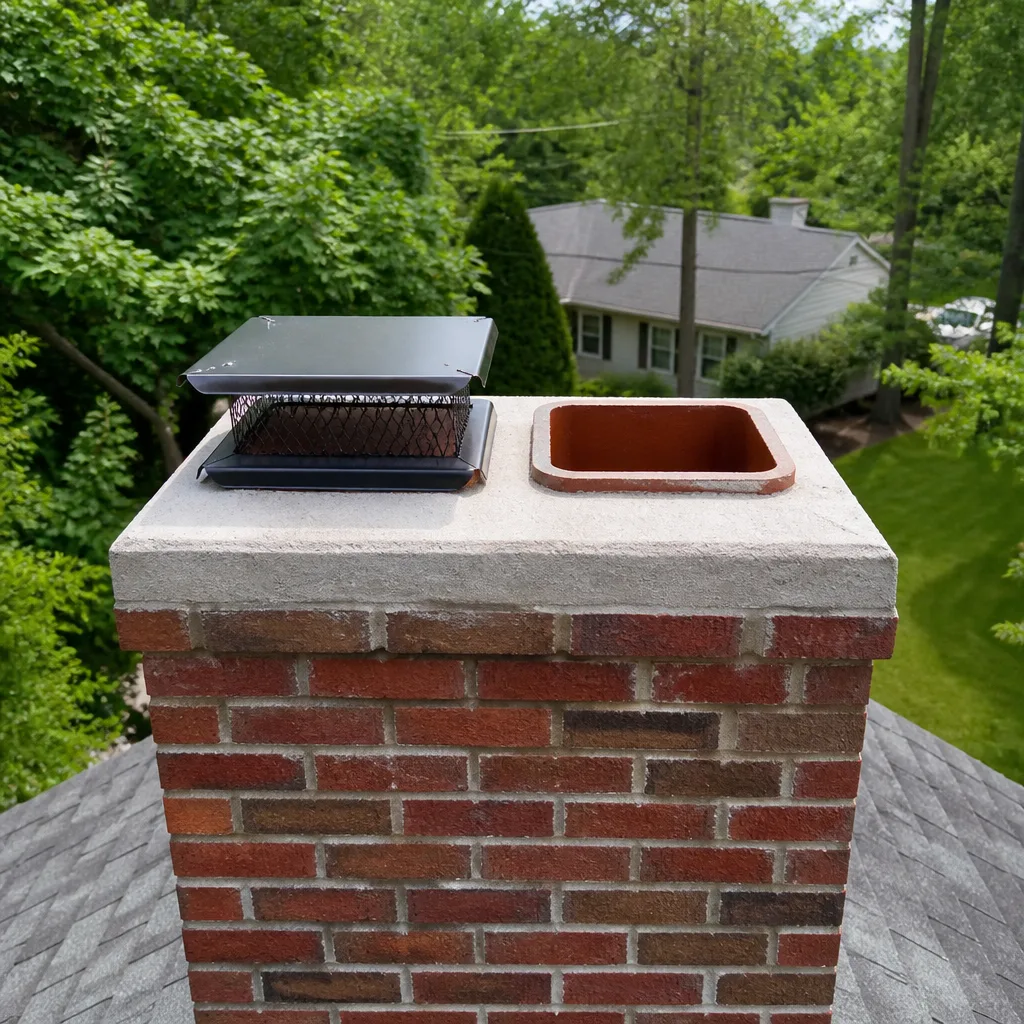 Sweep & inspection
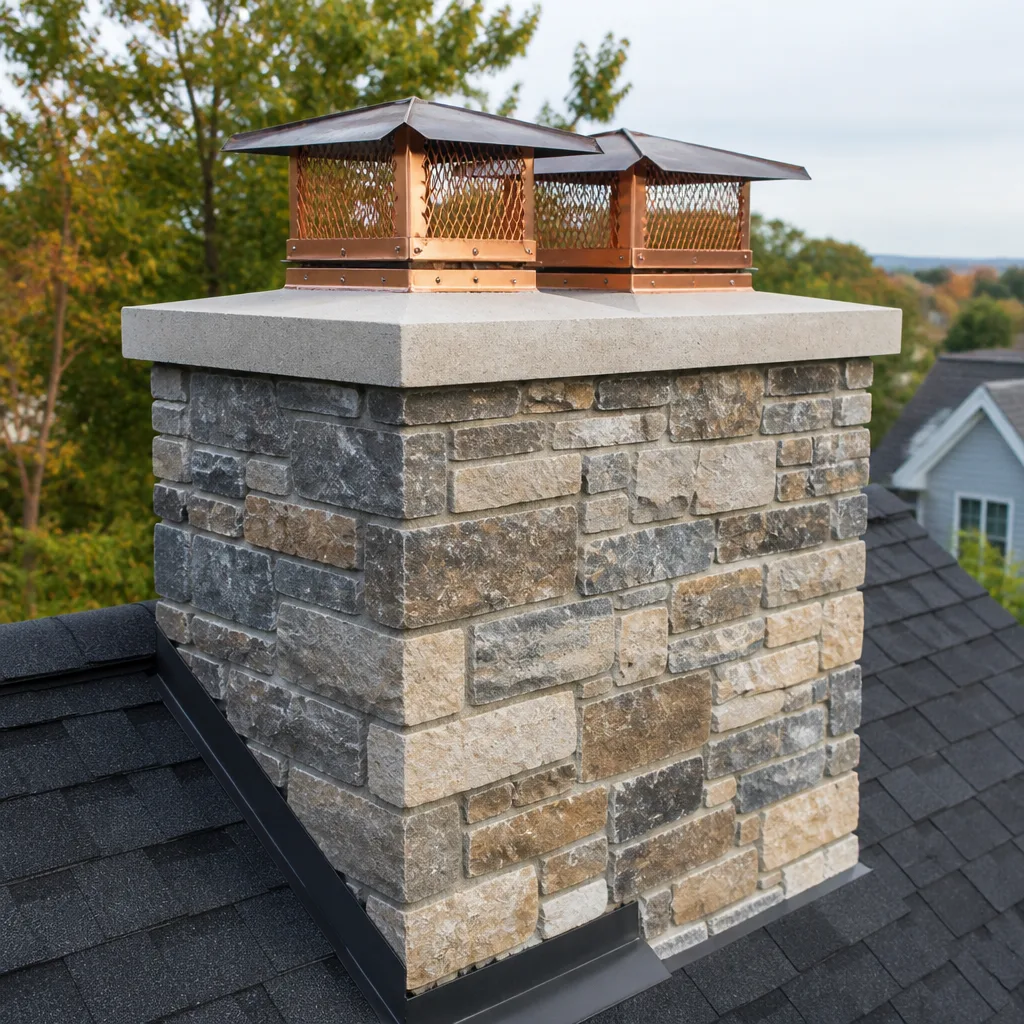 Caps & crowns
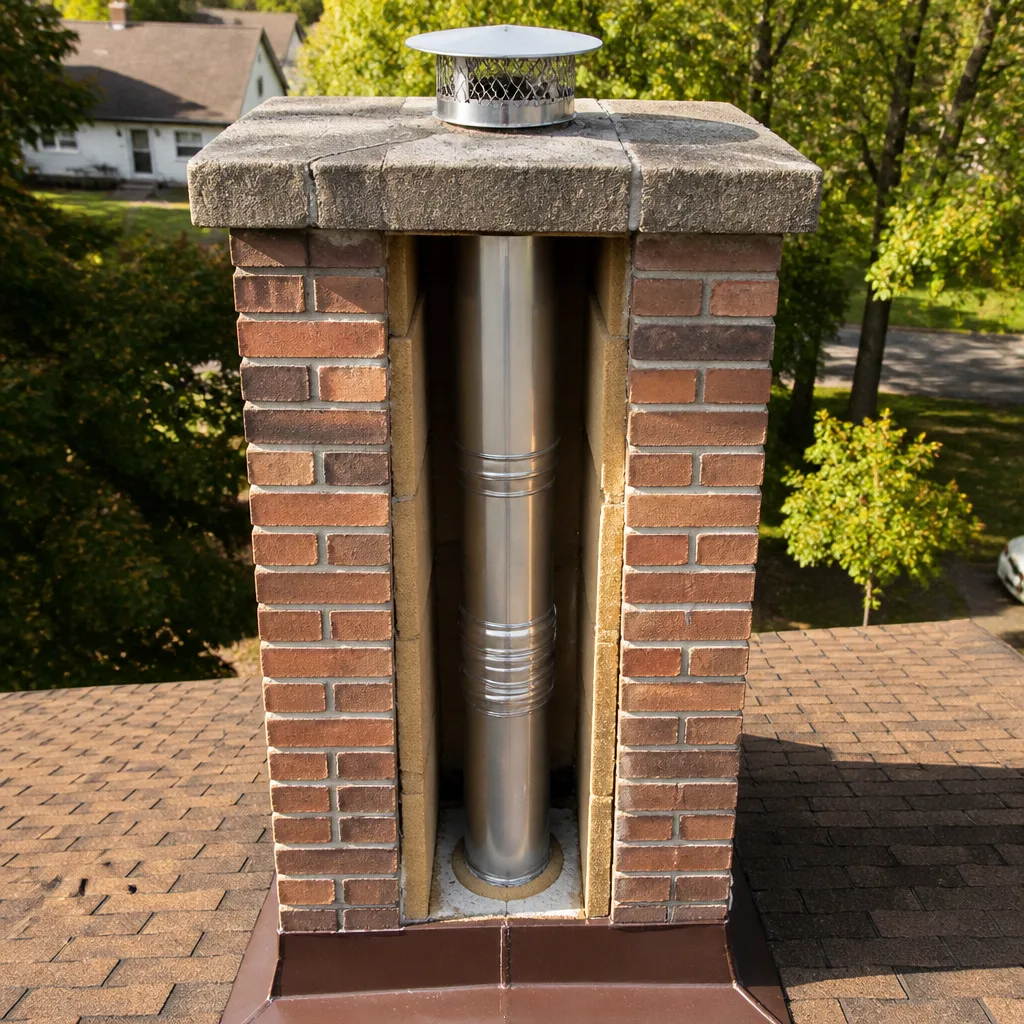 Flue relining
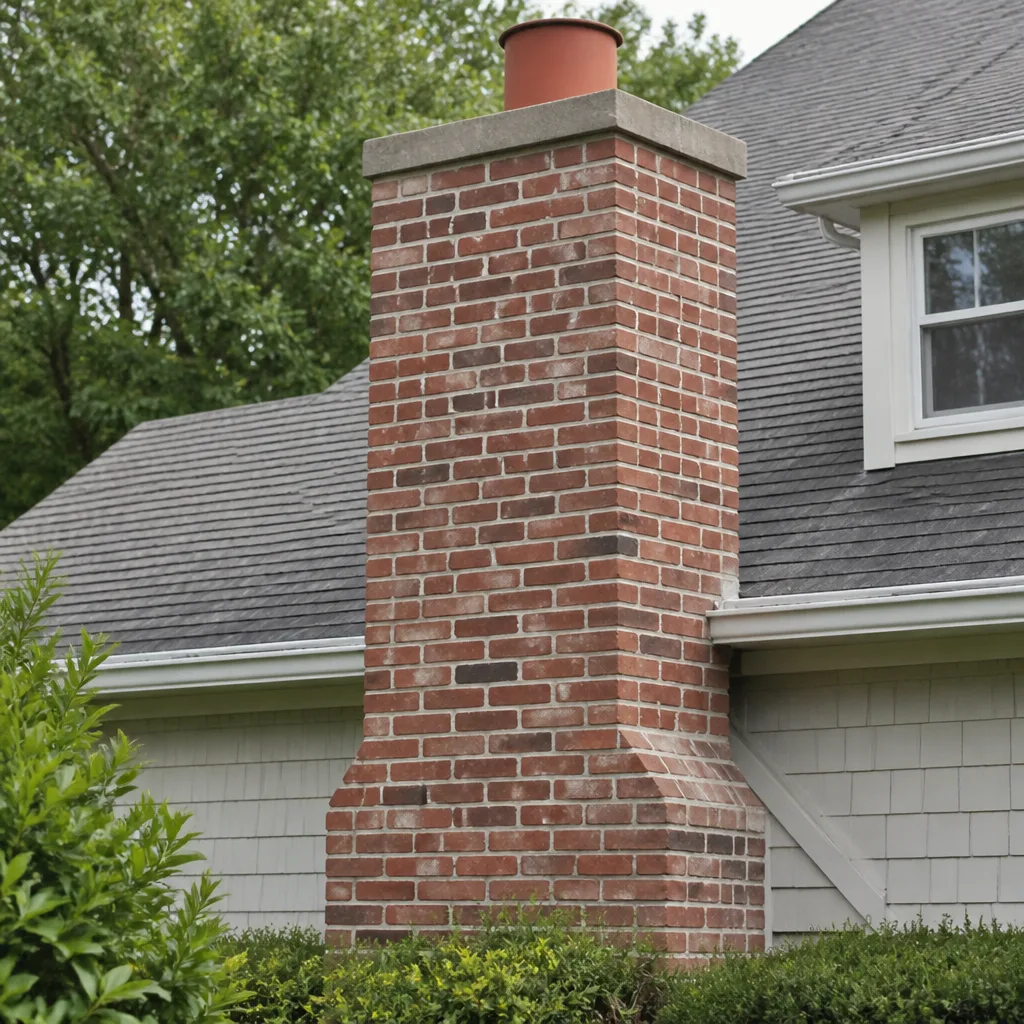 Masonry repair
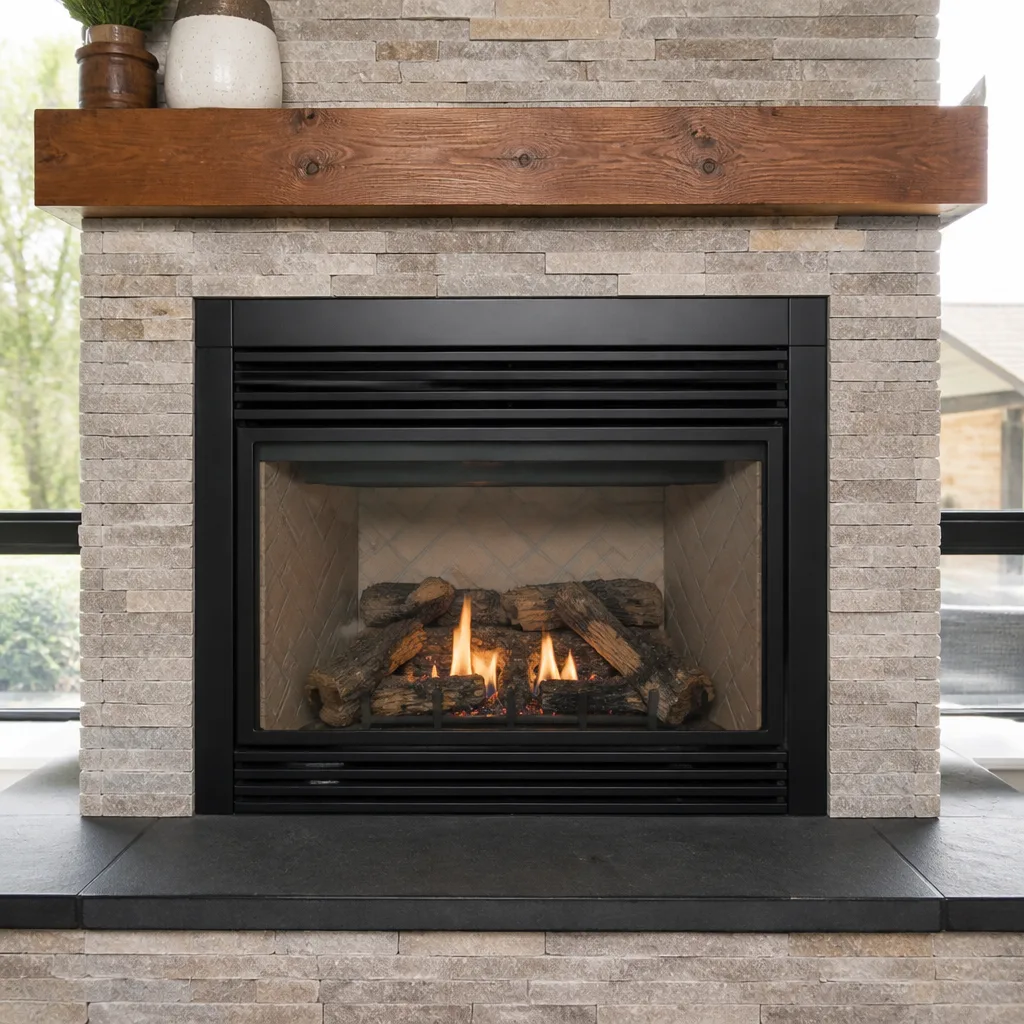 Gas fireplace service
Level 1 sweep and inspection to the NFPA 211 annual standard - flue, crown, cap, and flashing checked and photographed
Chimney sweep logs do not sweep chimneys. They loosen some creosote - which then falls where a brush and vacuum still have to collect it.
How to Hire a Chimney Cleaning Contractor in Odessa: A Step-by-Step Guide
The credential most homeowners check first is actually the one most often misunderstood. CSIA certification isn’t a marketing badge. It’s the difference between a contractor who knows the NFPA 211 standard governing your chimney’s safe operation and one who’s guessing from a video tutorial. Odessa has plenty of handymen who’ll run a brush up a flue; far fewer can read what the flue is telling them. This guide shows you how to filter candidates on credentials, diagnostic equipment, and material specificity, so you hire a chimney professional rather than a generalist with a ladder.
Quick Answer
Hire a chimney contractor by verifying CSIA or NFI credentials directly with the certifying body, asking for a written inspection report before any work begins, and requiring that repair materials be named specifically. In Odessa’s thin contractor market, the safest filter is whether the company does sweep, repair, and inspection itself rather than subcontracting parts of the job.
Styles & brands we work with
- Sweep & inspection
- Caps & crowns
- Flue relining
- Masonry repair
- Gas fireplace service
Table of Contents
- Why Odessa’s Contractor Market Needs Extra Scrutiny
- What CSIA and NFI Credentials Actually Require
- How to Verify a Contractor’s Credentials
- The Five Questions to Ask Before Booking
- Red Flags Specific to Odessa
- How to Compare Quotes Apples-to-Apples
- Why Named Materials Matter More Than “Standard”
- Step-by-Step: The Hiring Process
Why Odessa’s Contractor Market Needs Extra Scrutiny
Odessa sits in a part of Texas where the wind carries grit year-round, and that grit ends up in places a homeowner never sees. A flue that draws correctly pulls combustion byproducts up and out, but it also pulls in fine dust that settles on the smoke chamber shelf and mixes with creosote. That combination is harder to clear than creosote alone, and it needs a sweep who knows to look for it rather than one who brushes the flue and leaves.
The market compounds the problem. Odessa is a working city with a steady churn of residents and a contractor pool that fills up fast. When demand outpaces supply, generalists step into gaps they aren’t trained for. A handyman who cleans dryer vents and clears gutters will happily take a chimney job, and some of them do competent basic work. The trouble is what they don’t know to look for.
A chimney has several failure points a generalist is not trained to read:
- Cracks in the flue tile that open under heat and let carbon monoxide into the house structure
- A smoke chamber with corbelled brick that traps creosote where a brush can’t reach
- A crown that has pulled away from the flue, admitting water at the top
- A firebox whose mortar joints have recessed far enough to compromise the surround
- A cap or damper that has rusted or jammed and no longer seals
None of these show up on a visual once-over from the hearth. They show up when someone runs a camera, reads the joint condition, and writes down what they find. In our experience, the most common gap is a homeowner who paid for a “clean” and got no documentation at all. Ask whether the sweep you’re considering will give you a written inspection report with photos. If the answer is vague, that’s your answer about the company.
Hiring a chimney professional in Odessa also means understanding what the job is not. It is not HVAC work, it is not general contracting, and it is not a quick sweep before winter. A chimney specialist does three connected things: chimney sweep work to clear the system, inspection to document its condition, and chimney repair to fix what the inspection found. When one company handles all three, the findings from the sweep inform the repair scope, and nobody is guessing.
What CSIA and NFI Credentials Actually Require
CSIA stands for the Chimney Safety Institute of America. Its certification is not a one-time purchase. A certified sweep passes a proctored exam grounded in NFPA 211, the national standard for chimneys, fireplaces, vents, and solid fuel appliances, and then maintains the credential through continuing education and a code of ethics. The exam is not trivial. It covers venting principles, clearance requirements, appliance categories, and the diagnostic logic behind each inspection level.
NFI stands for the National Fireplace Institute. It certifies technicians by fuel type and appliance class. An NFI-certified professional has demonstrated knowledge specific to the appliance being installed, serviced, or inspected. For wood-burning chimneys, the relevant certification covers wood appliances, and for gas-burning systems there’s a separate track. The distinction matters because a technician certified for gas appliances is not automatically qualified to evaluate a wood-burning flue, and vice versa.
Why does the difference matter in practice? Because NFPA 211 sets the legal standard for safe operation, and a contractor who hasn’t studied it is guessing. The standard isn’t just about creosote. It addresses clearances to combustible material, flue sizing relative to appliance output, vent height above the roofline, and what constitutes a code-compliant liner. A sweep who knows the standard can tell you whether your system was ever built to it. A sweep who doesn’t can only tell you whether the flue looks dirty.
Some things certification does not cover, and it’s worth being precise here:
- It does not replace manufacturer instructions for the appliance in your home.
- It does not make a technician a licensed structural engineer or a roofer.
- It does not certify a company; it certifies the individual technician by name and ID number.
- It does not guarantee pricing, turnaround, or warranty terms.
That last point is why you verify the individual, not the company logo. A company can have one certified technician and a crew of uncertified helpers. That’s not necessarily disqualifying, but you should know who’s actually doing the diagnosis, and you should ask.
How to Verify a Contractor’s Credentials
Verification takes about five minutes and eliminates most of the risk in hiring. It works in three steps:
- Ask the company for the full name and certification ID number of the technician who will do the inspection. Not the company name, not “our team,” the individual.
- Look up that name and ID on the certifying body’s public directory. Both CSIA and NFI maintain searchable listings, and the listing will confirm whether the credential is current.
- Ask directly whether the technician doing the work is the same person whose credential you just verified, or whether an uncertified helper will perform the sweep under supervision.
If a company can’t produce a name and ID, treat the credential claim as marketing. It may still be an honest company, but you have no way to confirm it, and a chimney is not a system to leave to assumption.
One more verification step specific to repair work: ask what materials they use for liners, firebox resurfacing, and caps. A contractor who specifies DuraFlex for relining or HeatShield for firebox restoration is telling you something concrete about method. A contractor who says “standard materials” is telling you something too, which is that they haven’t thought about it or don’t want to be pinned to a specification. The Materials section below covers why this matters so much.
The Five Questions to Ask Before Booking
These five questions separate a diagnostic chimney company from a brush-and-go operation. Ask all of them before you book.
- What level of inspection do you perform, and will I get a written report? A Level 1 inspection covers readily accessible portions of the chimney, and it’s the baseline for a routine sweep. A Level 2 adds a video scan of the flue interior and is required after any chimney fire, after a change of appliance, or when a property changes hands. Ask which one their standard sweep includes, and ask to see a sample report.
- What camera equipment do you use, and will I see the footage? A video scan is only useful if you get to look at it. Ask whether the report includes still frames from the camera, whether footage is available to you, and how the findings are documented. A contractor who hands you photos of your own flue is showing you the evidence behind any repair recommendation.
- Who performs the work, and is that person certified? Names and ID numbers, verified per the section above.
- What materials would you use for repairs, specifically? Liner brand, firebox restoration product, cap and cover brand. Specificity here is the single best predictor of whether the repair will hold. This is where Chimney Sweep Odessa differs from the field: professional-grade components from established chimney supply manufacturers, not whatever the hardware store had on the shelf.
- What’s included in the price, and what would trigger additional cost? Get the scope in writing. Ask whether the price covers the inspection, the report, and the sweep, or only the sweep. Ask what happens if the inspection finds a problem: is the repair quoted separately, and in writing, before any work begins?
Ask these questions on the phone before you book. A company that answers them cleanly is a company that has answered them before. A company that gets defensive or vague is telling you what the working relationship will feel like when the inspection finds something.
Red Flags Specific to Odessa
Some warning signs are universal. Others show up repeatedly in a market where demand runs ahead of supply and generalists fill the gap. Here are the ones we’d flag in Odessa:
- A vague scope of work. “We’ll clean it out and check everything” is not a scope. A real scope says what will be swept, what will be inspected, and what will be documented. Ask them to put it in writing.
- No written inspection report. If there’s no report, there’s no evidence, and you have no way to verify whether a repair recommendation is legitimate. Always require the report before authorizing repair work.
- Refusal to name repair materials. If they can’t tell you the liner brand or the firebox restoration product, they either don’t know or don’t want you to know. Both are reasons to keep looking.
- A price quoted before anyone has looked at the chimney. A sweep can sometimes be quoted over the phone based on access and flue type, but repair work cannot. Any contractor who gives you a repair price without an inspection is guessing, and you’ll pay for the guess.
- Pressure to authorize repair on the spot. The inspection should produce a report, and the report should give you time to decide. A contractor who says the chimney is dangerous and needs work today, with no written findings, is using urgency as a sales tool.
- No camera, or a camera the customer never sees. In a market with as much dust and grit as Odessa, flue condition needs to be seen, not inferred. If the findings are verbal only, you’re taking them on faith.
- A company that treats a chimney like a dryer vent. Chimneys have specific venting, clearance, and code requirements. A contractor who talks about the flue the way they’d talk about a duct is telling you their training background.
None of these flags means the company is dishonest. Most mean the company is out of its depth on a system that doesn’t tolerate guesswork. That’s still a reason to hire elsewhere.
How to Compare Quotes Apples-to-Apples
Two matching quotes for “a chimney sweep” can describe two completely different jobs. One includes a Level 1 inspection and a written report; the other is a brush and a handshake. Comparing them by price alone will steer you toward the cheaper job and away from the one that actually documents your chimney’s condition.
To compare quotes fairly, line up five variables side by side:
- Inspection level. Level 1 vs. Level 2. A Level 2 includes a video scan and costs more, but it’s the appropriate level after any chimney fire or when you’re buying a home.
- Documentation. Written report with photos vs. verbal summary. The report is the deliverable; the sweep is the service.
- Access requirements. Roof access, flue configuration, and whether the cap must be removed all affect labor. Ask whether the quote assumes standard access or includes a charge for complications.
- Materials on repair quotes. If liner replacement is included, what brand and what grade of liner? DuraFlex, for example, is a professional spec-grade liner system; an unspecified liner is a question mark.
- Scope boundaries. What’s explicitly excluded? Masonry rebuilds, crown repair, and cap installation may be quoted separately. Ask for the boundaries so a “surprise” line item doesn’t appear later.
One practical step: ask each contractor to describe, in writing, what the written report will include. A report with photos and flue condition notes is better than a one-line summary, and you can compare two documents against each other far more easily than two phone conversations. If one quote includes a Level 1 inspection with a photo report and the other doesn’t, the difference in price is often explained by what’s in the deliverable, not by labor rate.
If you’re comparing quotes on a house in Odessa, keep the local context in mind. The local climate is mild, but the wind-driven grit means the flue interior accumulates material faster than in calmer areas. A quote that includes a camera scan on a routine sweep is often the better value in this market, because the scan is how you catch grit-driven buildup and joint wear before they turn into a repair.
Why Named Materials Matter More Than “Standard”
Material specificity is the most reliable signal of a contractor’s competence, and it’s underused by homeowners evaluating quotes. When a contractor says “standard materials,” they’ve told you nothing you can check. When they say a DuraFlex liner or a HeatShield resurfacing system, they’ve told you the method and the specification, and you can verify both.
Here’s why the specification matters so much for chimneys. A liner isn’t a generic pipe. It has to match the appliance, the flue dimensions, and the temperature rating of the fuel being burned. A liner that’s undersized for the appliance will restrict draft and accelerate creosote accumulation. A liner that’s incorrectly rated will degrade under heat. The functional result matters: a properly lined flue reduces creosote adhesion and improves draft, which is the whole reason for the liner in the first place. An unspecified liner might work, but you have no way to know, and the change happens where you can’t see it.
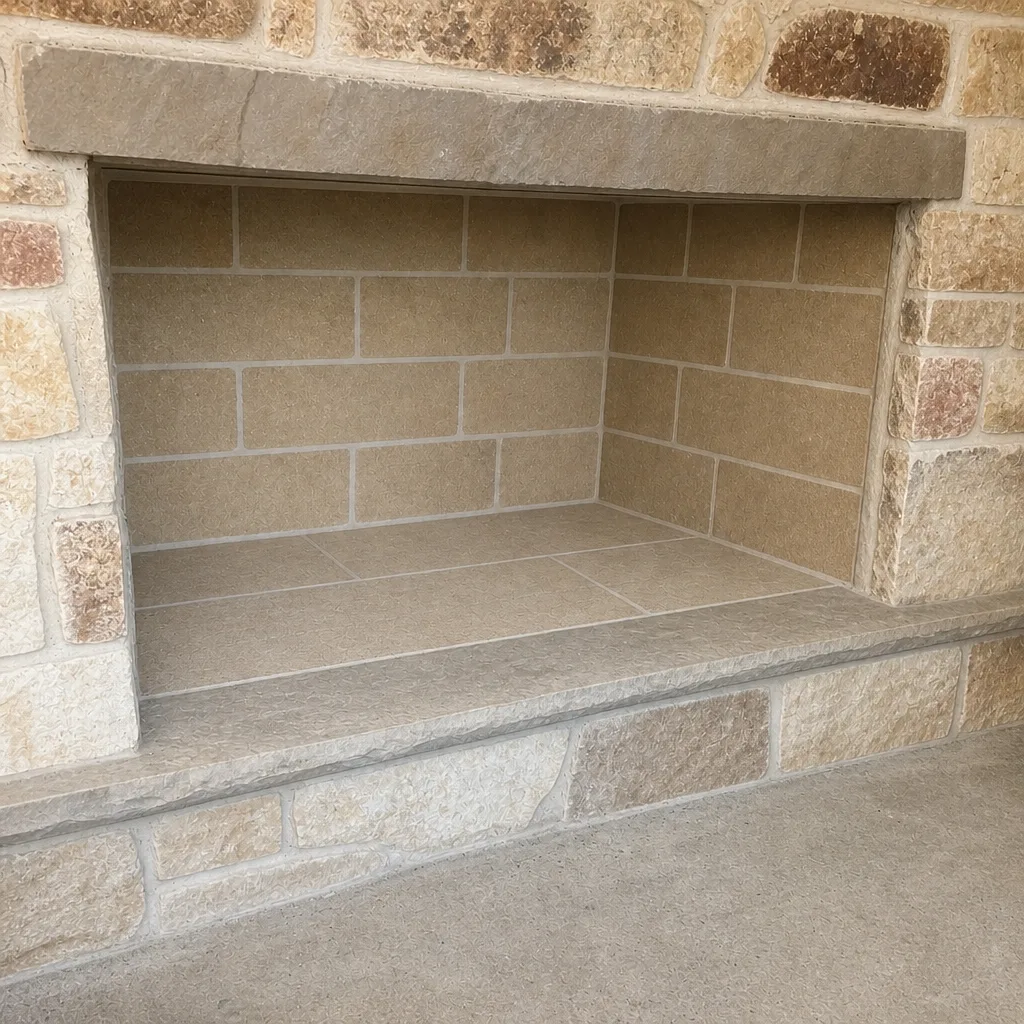
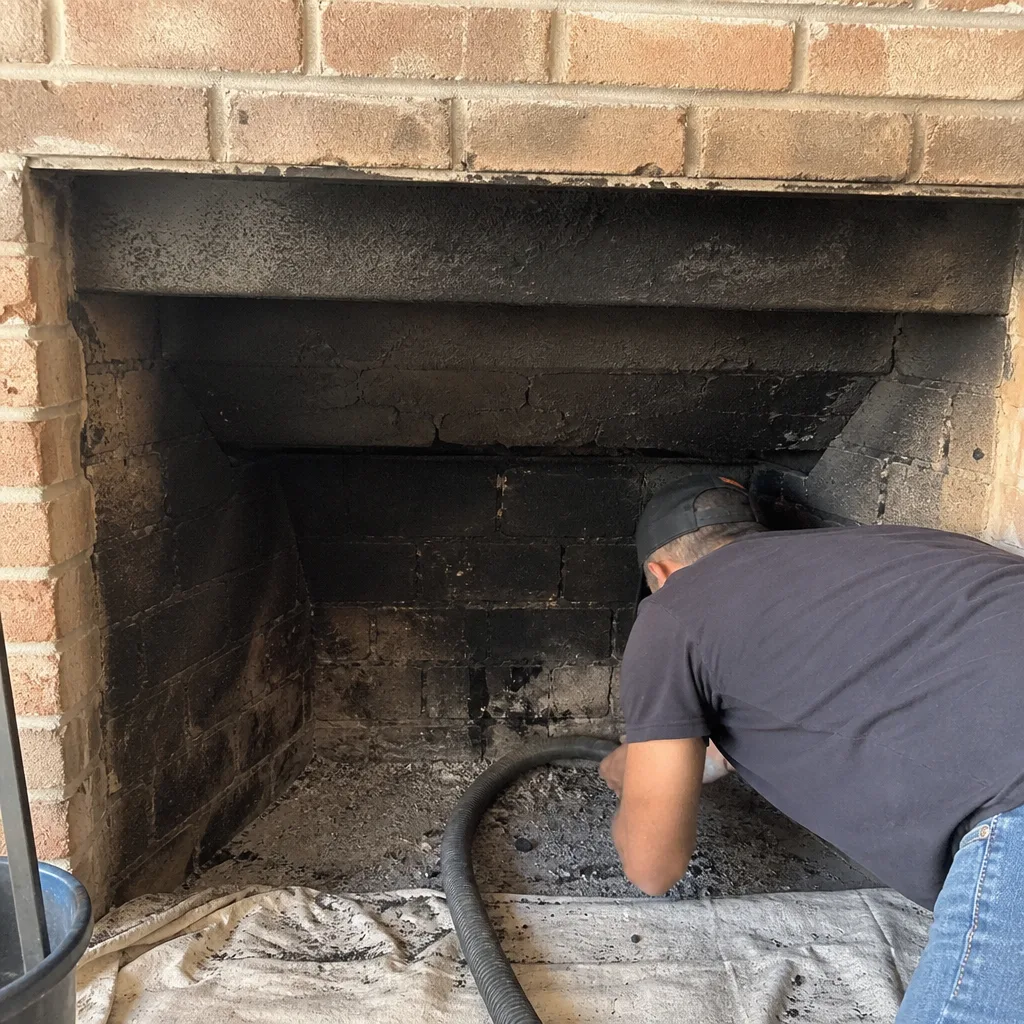
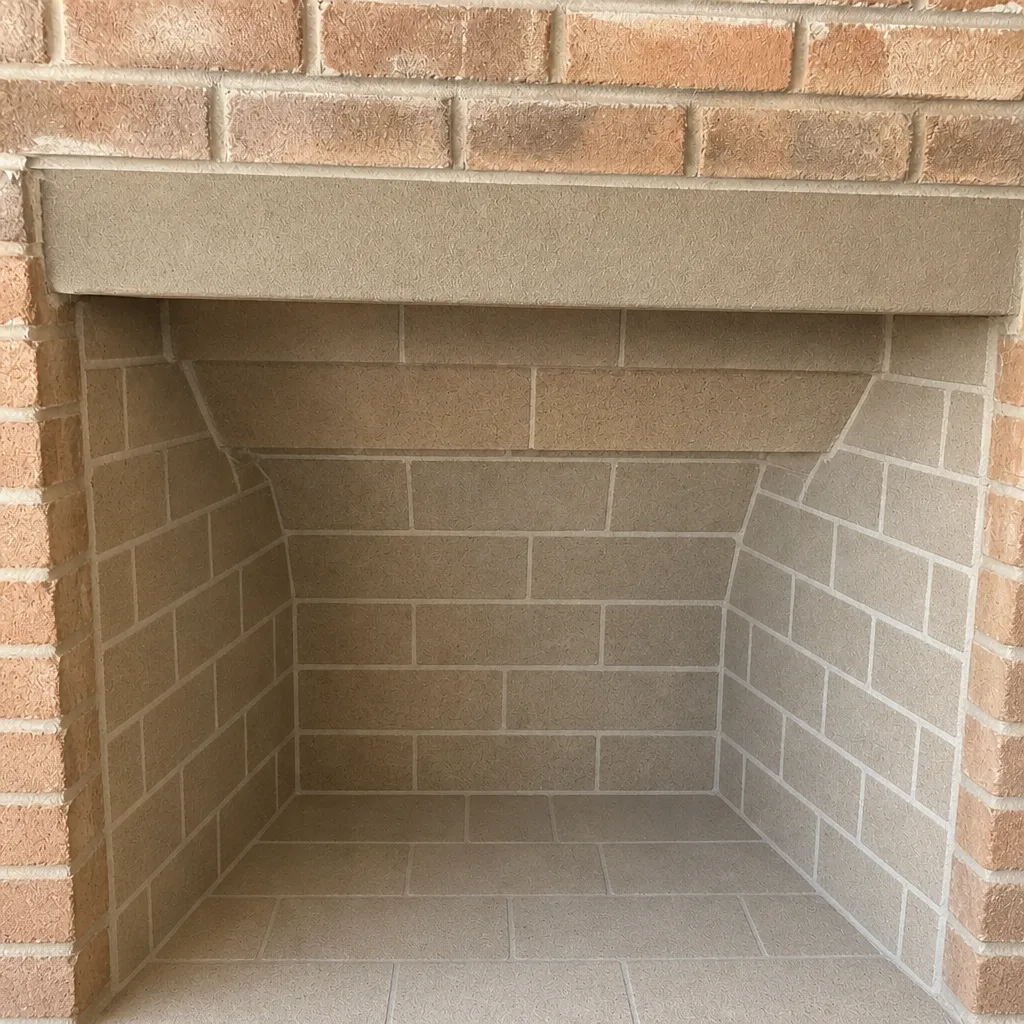
The same logic applies to firebox and flue restoration. HeatShield is a resurfacing system designed for restoring firebox and flue interiors, and it’s a specialized process that most sweep-only companies either can’t perform or have to subcontract. When a contractor specifies it, you know the restoration is being done by someone trained in the method, in-house, rather than sent out to a third party and returned with a markup.
Caps and covers follow the same rule. Gelco and Famco make spec-grade cap and cover products that address moisture intrusion and wildlife entry with real hardware. An improvised cap is a screen and a hose clamp. A spec-grade cap is sized to the flue and sealed to the crown. The difference shows up in the first wind-driven rain.
You don’t need to memorize brands, but you should notice when a contractor names them. A company that specifies DuraFlex, HeatShield, Gelco, Olympia Chimney, Famco, or Copperfield is working from a parts catalog that professional contractors use. In our experience, that specificity is a reliable stand-in for whether the repair will hold up. It’s also a reason a full-service company can complete a relining during a repair visit instead of scheduling a second appointment and a second crew.
Step-by-Step: The Hiring Process
Here’s the sequence that works, whether you’re booking a routine sweep or addressing a known problem. It’s the same process we use when we walk through a chimney job in Odessa.
- Identify what you actually need. A routine sweep is different from an inspection after a chimney fire or a home purchase. Decide which one you’re booking before you call, so you can compare quotes on the same scope.
- Shortlist three contractors. Ask each one whether they do sweep, repair, and inspection in-house, and whether the technician performing the work is certified. Get names and ID numbers.
- Verify credentials. Look up each technician’s certification on the CSIA or NFI directory before you book. This is the step most homeowners skip, and it’s the one that filters out the most risk.
- Ask the five questions. Inspection level, camera equipment, who does the work, material specification, and what’s included in the price. Take notes on the answers.
- Request the written quote and the report format. Ask to see a sample inspection report before you book. If the company can’t produce one, that’s the answer.
- Book the appointment and confirm the scope in writing. The sweep and the inspection should be described in the booking confirmation, and the price should be attached to that scope.
- Review the report before authorizing any repair. The report is the decision point. Read the photos, ask what the findings mean, and get a separate written estimate for any repair before work begins. There’s no harm in asking whether work can safely wait until the next burning season.
That last step is the one that protects you from being sold work you don’t need. Nothing should be recommended without camera evidence you can see for yourself, and a contractor who can show you the evidence is a contractor who stands behind the recommendation. If the recommendation is for a liner, ask to see the scan that made the case. If it’s for firebox restoration, ask for the photos of the mortar joints. If it’s for a new cap, ask what the old cap was doing wrong. The answers should be visible.
Common Mistakes to Avoid
- Hiring on price alone. The lowest quote is often the least documented job. Compare scope and report format before you compare price, and you’ll usually find the price difference is the report.
- Skipping credential verification. CSIA and NFI credentials are checkable by name and ID. If you don’t check, you’re trusting a claim with no evidence behind it, which is the same mistake as trusting a repair recommendation with no inspection report.
- Accepting a verbal inspection. A verbal summary gives you nothing to hold the contractor to and nothing to compare against a second opinion. Require the written report, and read it.
- Letting a generalist handle chimney repair. Liner sizing, firebox restoration, and crown work require chimney-specific training. A handyman who can sweep a flue isn’t automatically qualified to reline it, and the failure mode is one you can’t see.
- Not asking about access and weather. Odessa’s wind and dust can affect roof access and how quickly a flue fouls. Ask the contractor how they handle access and whether the sweep is scheduled around conditions that would affect the work.
- Authorizing repair without a written estimate. A sweep is a service; a repair is a separate scope with a separate price. If the estimate isn’t in writing, the price isn’t set.
- Assuming the cap is fine because it’s still attached. A cap that’s rusty, loose, or the wrong size for the flue can let water and wildlife in. Ask the contractor to check the cap and report on it specifically.
Each of these mistakes shares a pattern: the homeowner accepted a claim without asking for the evidence behind it. The fix is consistent. Ask for the evidence, in writing, and check the credentials before you book.
See the difference
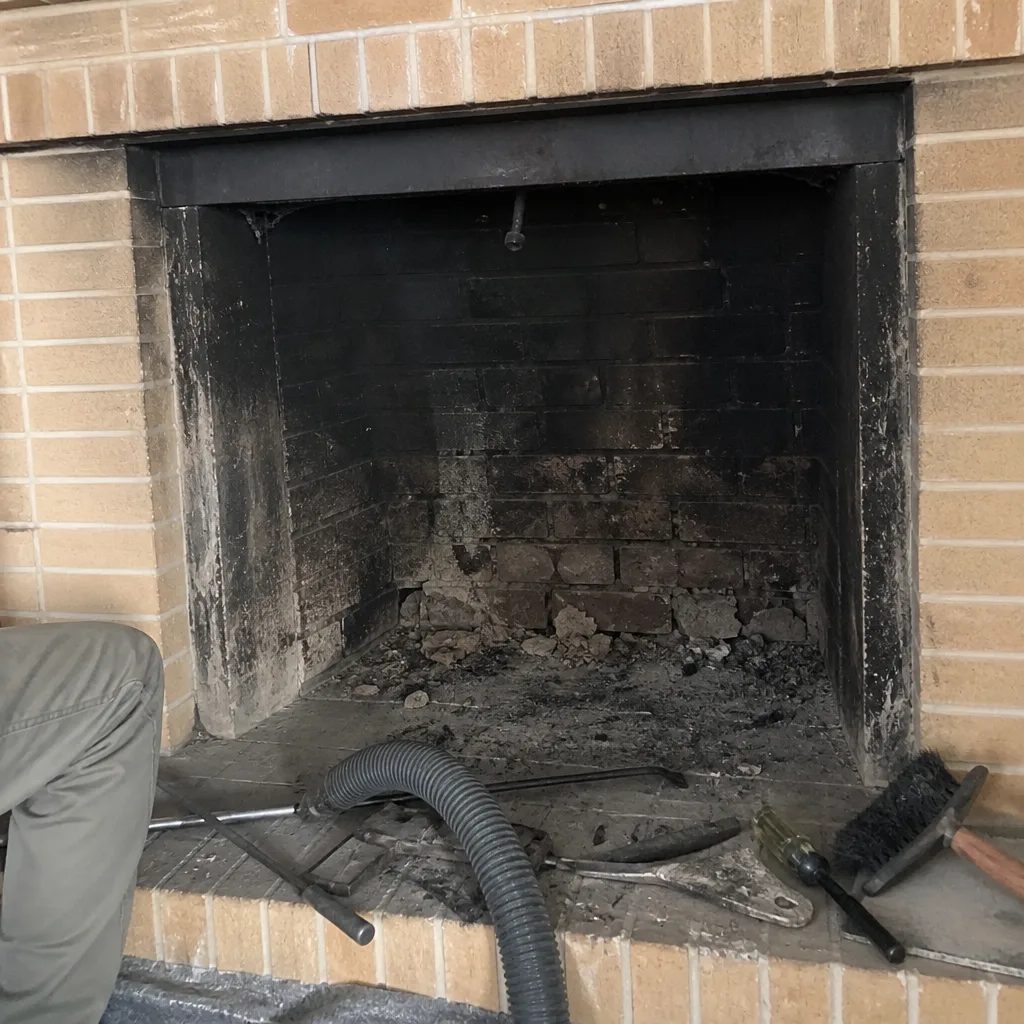 Before
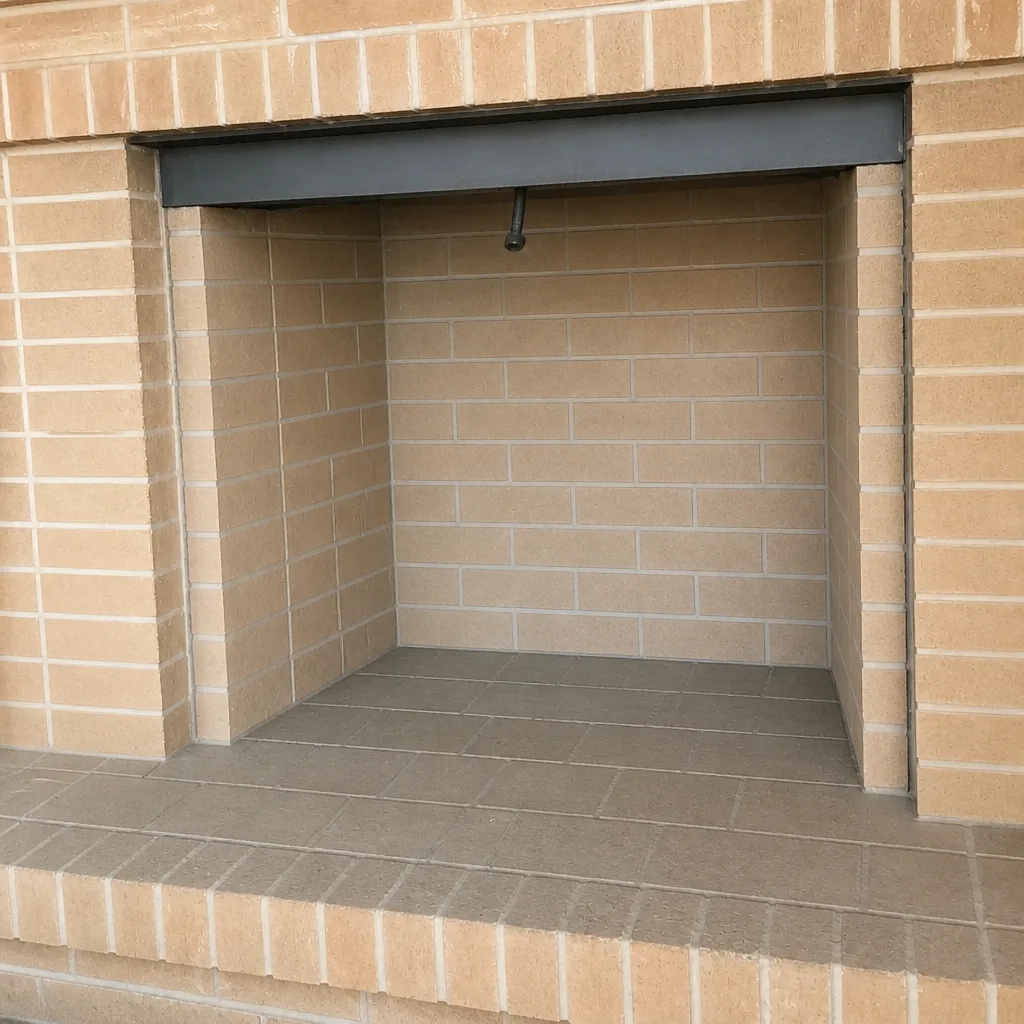 After
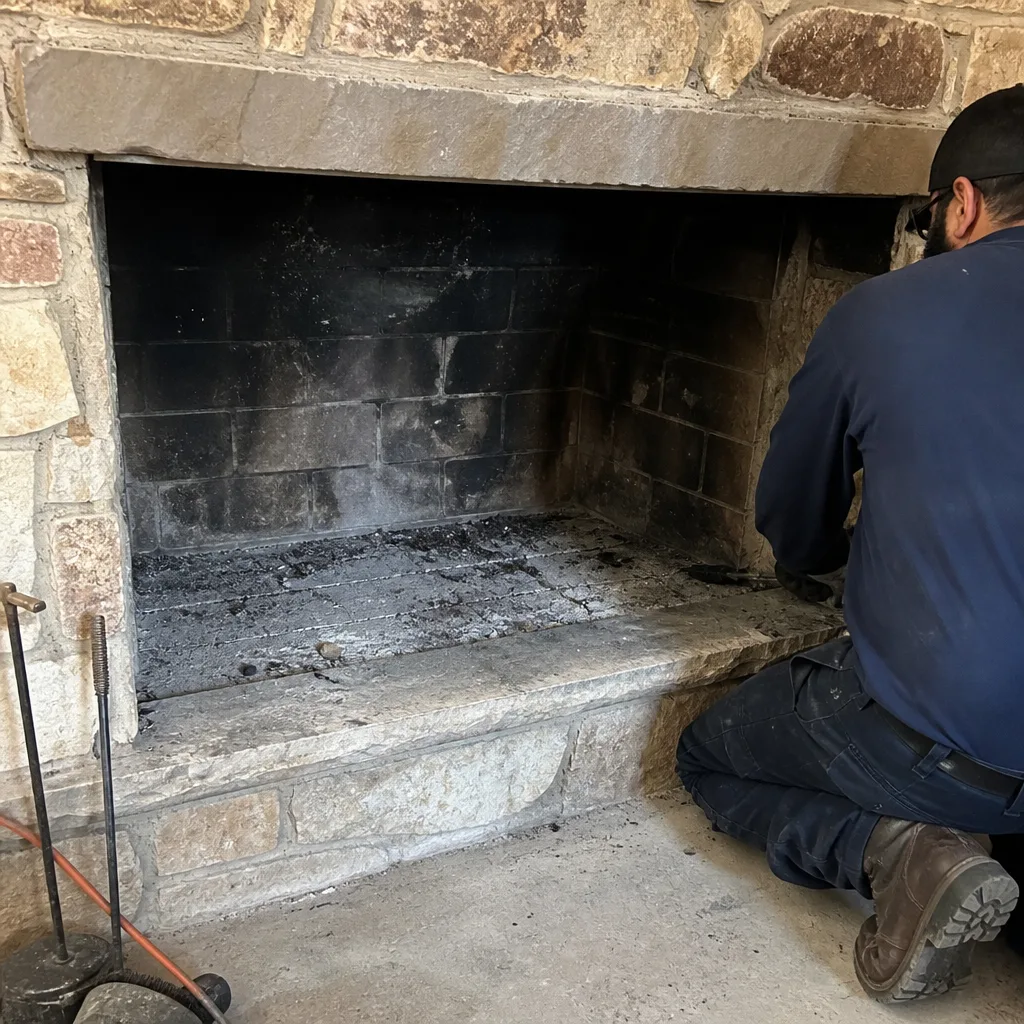 Before
 After
 Before
 After
When to Call a Professional
Some situations require a call rather than a wait. Call a professional if you’ve had a chimney fire, if you smell creosote or smoke in the house when the fireplace isn’t in use, if the firebox mortar is crumbling, if the damper won’t open or close, if you’re buying or selling a home with a chimney, or if your system hasn’t been inspected in a year of regular burning. Call before the burning season if you can. Odessa’s mild winters mean plenty of homeowners delay the sweep until the first cold snap, and the calendar fills accordingly, so booking ahead is practical as well as safe.
A routine sweep is once a year during the burning season, and an inspection should accompany it. If it’s been longer than that, book an inspection rather than a sweep, so the technician can document the condition before any cleaning begins.
Chimney Sweep Odessa offers free estimates in Odessa. Call (833) 486-7503. We answer 24/7. Fast dispatch from 7am to 7pm, Sunday through Friday.
Frequently Asked Questions
A routine chimney sweep in Odessa typically runs within the range you’ll see quoted across the local market, and the written estimate sets the final price. The estimate is free, and it should specify whether an inspection and written report are included. Call (833) 486-7503 for an exact quote; estimates are free.
Only if the inspection shows a specific failure the liner fixes, and only if you can see the evidence. Common justifications are cracked or spalling flue tiles, a flue that’s undersized for the appliance, or a previous liner that’s degraded. If a contractor recommends relining without a camera scan you can review, ask for the scan. A properly lined flue improves draft and reduces creosote adhesion, but the liner is a fix for a documented problem, not a default upsell. Call (833) 486-7503 to book an inspection that documents the findings first.
Once a year during the burning season is the standard for a fireplace in regular use, with an inspection at the same time. If you burn heavily or notice reduced draft, book sooner. The sweep and the inspection answer different questions, so ask for both. Call (833) 486-7503 to schedule.
Creosote accumulates, draft degrades, and the interior of the flue can develop conditions you can’t see from the hearth. The risk in a neglected chimney is chimney fire and carbon monoxide intrusion, which is why the annual inspection matters even when the fireplace seems to work. Skipping the inspection doesn’t remove the risk; it just removes the early warning. Call (833) 486-7503 for a free estimate.
Yes, and it should be a Level 2 inspection because a property transaction is one of the triggers for that level. A Level 2 inspection includes a video scan of the flue interior and a written report you can review before closing. The report also documents the cap, crown, and firebox condition, which are the items most often flagged. Call (833) 486-7503 to book.
Ask for the photos, and don’t authorize the work until you have them. A repair recommendation should be supported by camera evidence you can look at, and a contractor who can’t produce it is asking you to pay for a guess. Call (833) 486-7503 for a second opinion; the free estimate will tell you whether the recommended work is necessary or whether it can safely wait.
The Bottom Line
Hiring a chimney contractor in Odessa comes down to verification. Check the technician’s CSIA or NFI credential by name and ID, confirm which inspection level the quote includes, require a written report with photos before authorizing any repair, and ask for the specific materials the work will use. A contractor who does sweep, repair, and inspection in-house, and who names the brands going into your chimney, is showing you the evidence behind every recommendation. The one who says “standard materials” and hands you a verbal summary is asking you to trust a guess on a system where the failure mode is invisible. Book early in the season, get the report, and let the findings drive the decision.
Written by the team at Chimney Sweep Odessa.