
Last updated November 15, 2026
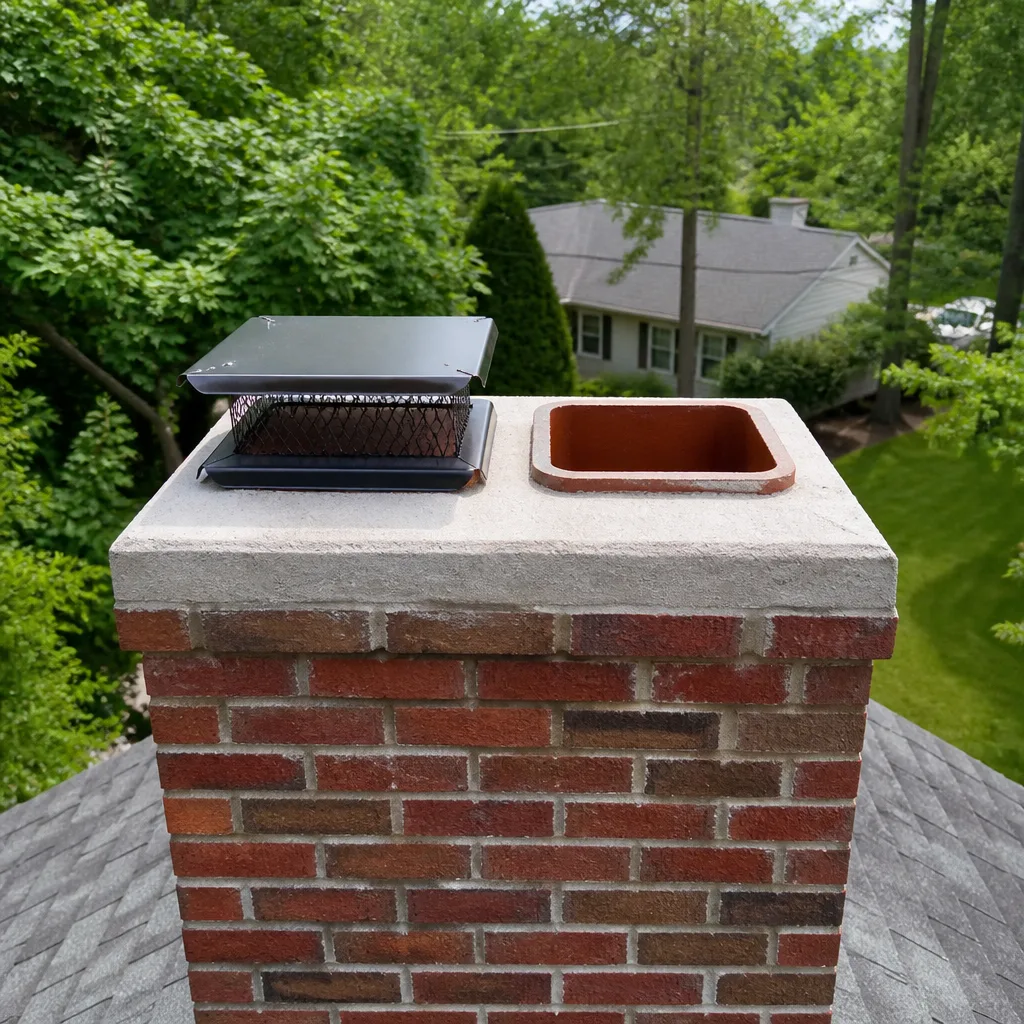 Sweep & inspection
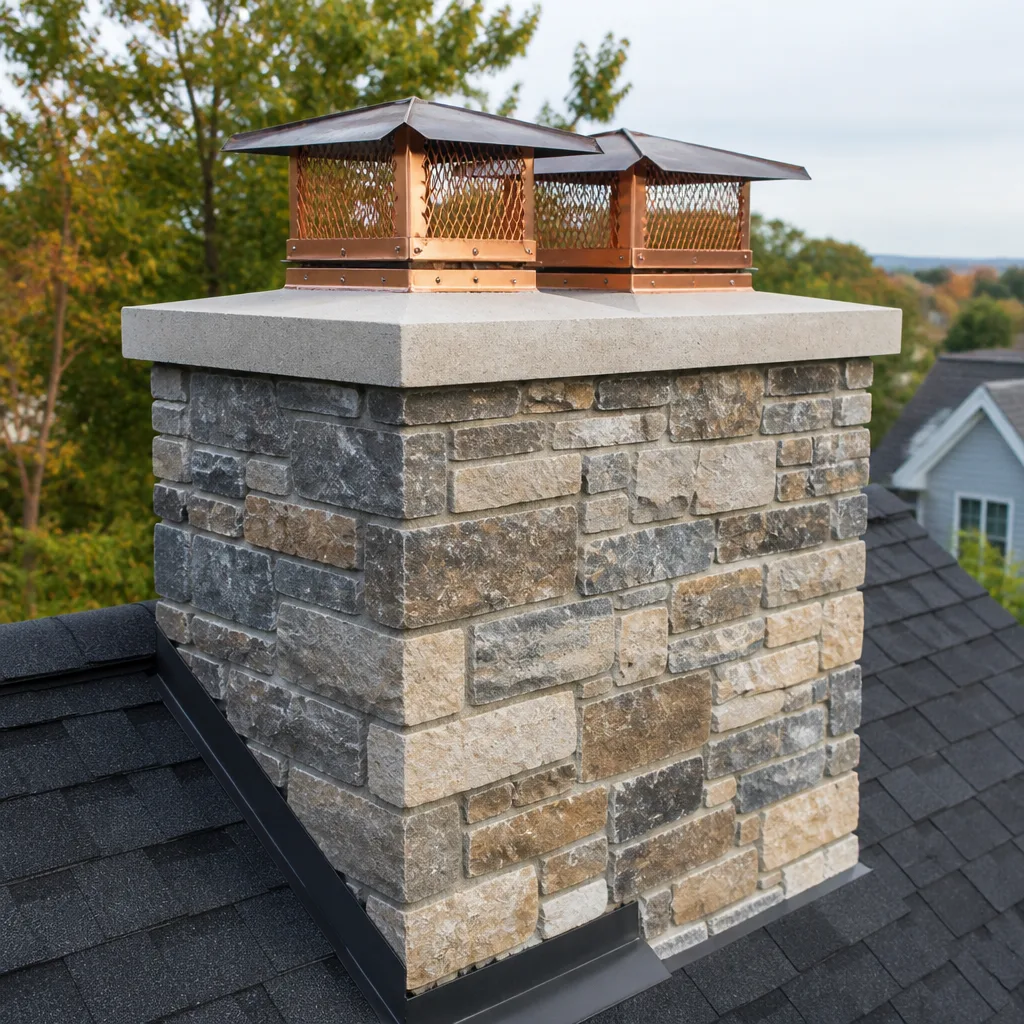 Caps & crowns
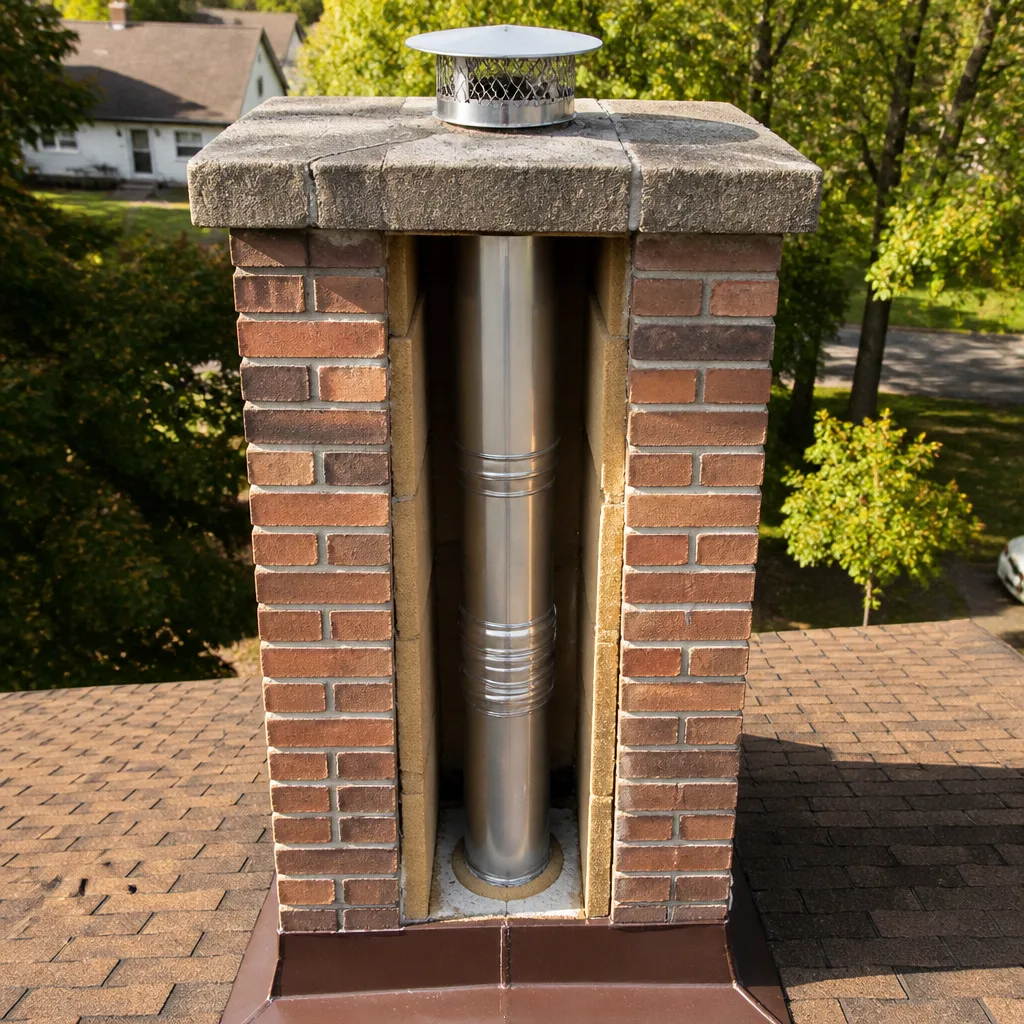 Flue relining
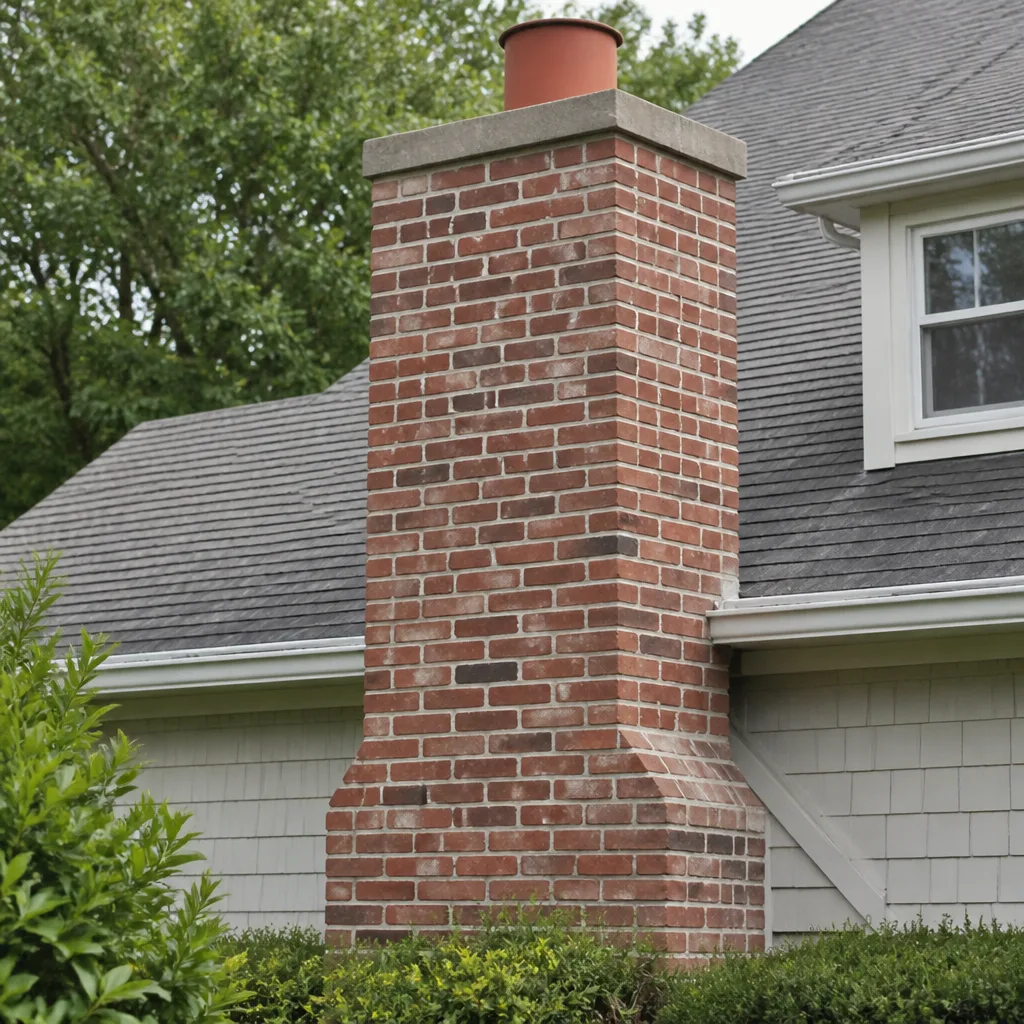 Masonry repair
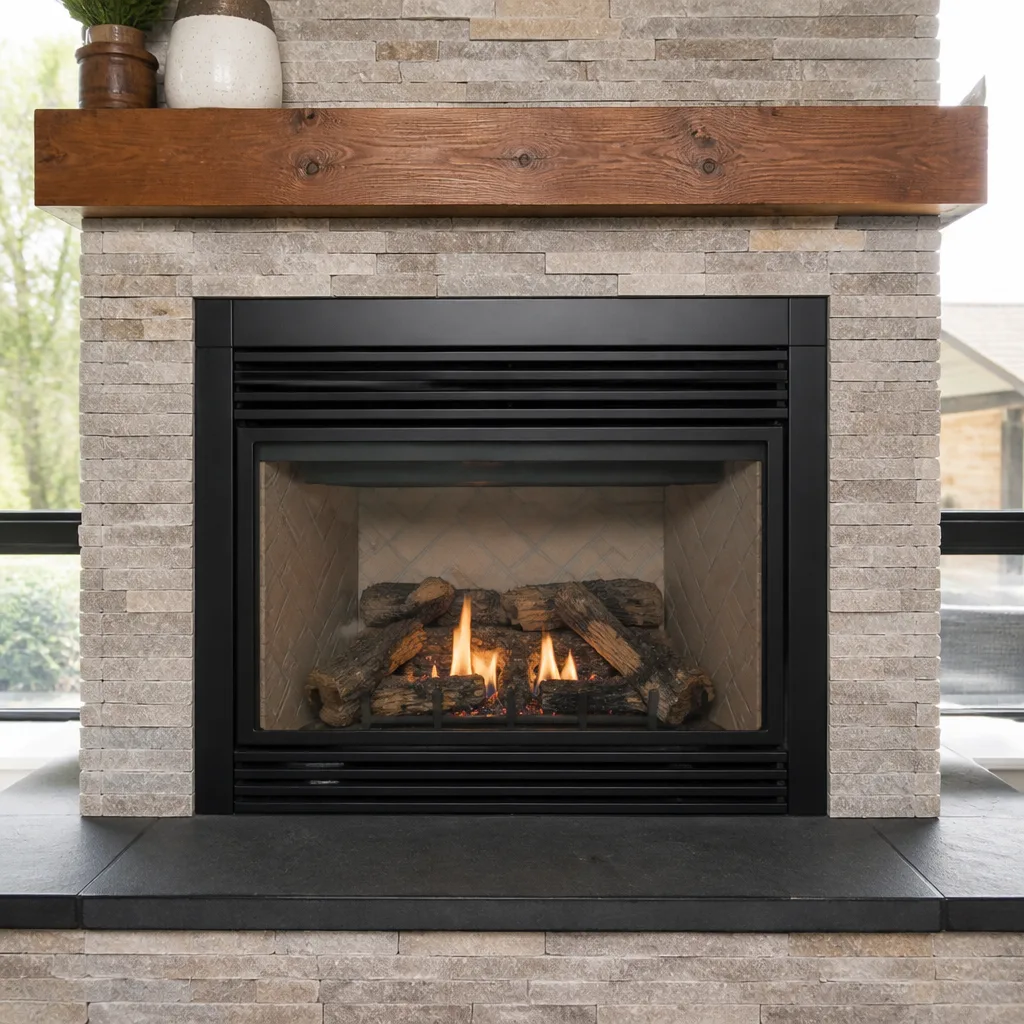 Gas fireplace service
Level 1 sweep and inspection to the NFPA 211 annual standard - flue, crown, cap, and flashing checked and photographed
Chimney sweep logs do not sweep chimneys. They loosen some creosote - which then falls where a brush and vacuum still have to collect it.
Chimney Cleaning Emergency Preparedness Guide for Odessa Homes
Most Odessa homeowners assume a chimney emergency announces itself with flames shooting from the roof. In reality, the two most dangerous events in a chimney system – a flue fire and carbon monoxide backdrafting – often start quietly, inside the flue, while the house feels completely normal. The household that burns three or four fires a season is exactly the household most likely to skip an inspection, because the fireplace “never gets used enough to be a problem.” Soot and creosote accumulate whether you burn every night or twice a winter. This guide walks through the first five minutes of each emergency scenario, what to tell emergency responders, and what a professional must verify before the fireplace is used again. If you only read one section, read the first one.
Quick Answer
A chimney emergency in Odessa usually falls into one of three categories: an active flue fire, a carbon monoxide event from a blocked or cracked flue, or a sudden blockage from an animal nest or fallen debris. In all three cases, stop using the fireplace immediately, get everyone out of the house if you suspect fire or CO, and call 911 before calling anyone else. No fireplace should be relit until a Level 2 inspection confirms the flue, liner, and firebox are structurally sound.
Styles & brands we work with
- Sweep & inspection
- Caps & crowns
- Flue relining
- Masonry repair
- Gas fireplace service
Table of Contents
- How Do You Know If You Have a Chimney Fire Right Now?
- What to Do in the First Five Minutes of a Flue Fire
- Carbon Monoxide Backdrafting in Sealed Odessa Homes
- Bird Nests, Debris, and Sudden Blockages
- The Post-Emergency Level 2 Inspection: What It Must Verify
- Pre-Season Emergency Prep: Detectors, Extinguishers, and One Document
- Why Odessa’s Burning Habits Build Creosote Fast
- What Recovery Looks Like After an Emergency
How Do You Know If You Have a Chimney Fire Right Now?
You may hear it before you see it. A flue fire often produces a low roaring sound, like a distant freight train or a deep rumble inside the chimney, along with a sharp crackling that doesn’t match the fire in the firebox. Dense smoke may pour from the top of the chimney, and you might see sparks or flames visible above the cap. Some flue fires draw so much air that the damper starts to vibrate or the stovepipe glows. Others smolder almost silently and are only discovered later by a sweep who finds heat-damaged tiles.
That last point matters more than most homeowners realize. A heavily sooted flue can reach temperatures around 2,000°F within seconds during a flue fire – hot enough to crack clay tile liners, warp metal liners, and ignite framing lumber on the other side of the masonry. The interior of the flue is where the damage happens. The visible fire in the firebox is not the indicator to watch.
Signs to Treat as an Active Flue Fire
- A roaring or rumbling sound from inside the chimney that continues after the fire is burning normally
- Dense, dark smoke or visible flames from the top of the chimney
- Sparks or embers shooting above the chimney cap
- A strong, hot, acrid smell in the room, or smoke pushing back into the house
- Popping noises, like small explosions, from inside the flue
- The chimney pipe or masonry becoming hot to the touch
If you notice more than one of these at once, treat it as a live emergency. Do not wait to confirm. Call 911, get everyone out of the house, and do not attempt to inspect the flue from the roof or the firebox. In our work as a Chimney Sweep Odessa specialist, we’ve seen the aftermath of flue fires where the firebox looks intact but the liner above it has cracked in three places. The fire is over long before the danger is.
What to Do in the First Five Minutes of a Flue Fire
The single most dangerous thing a homeowner can do during a flue fire is open the damper to “check on it.” Opening the damper feeds oxygen to the fire and can turn a smoldering flue fire into a fast, high-temperature event. The correct sequence is deliberate, and it is the opposite of what instinct says to do.
Step-by-Step: The First Five Minutes of a Flue Fire
- Close the damper immediately. Cutting off the air supply starves the fire. If the damper is already closed, leave it closed.
- Get everyone out of the house. No one stays behind to gather belongings or check the attic.
- Call 911 from outside. Tell the dispatcher it is a possible chimney fire and give your full address. Odessa fire crews know this call.
- Do not spray water into the firebox or up the chimney. Water on a hot flue can crack tile or masonry, and on some systems it creates steam that pushes smoke into the house.
- If you have a chimney fire extinguisher or a Chimfex-style flare, use it only if the firebox is reachable and safe to approach. If not, leave it. The fire department is already on the way.
- Once the fire department has cleared the scene, do not relight the fireplace. The flue needs an inspection before anything else.
Tell the dispatcher what you observed: the roaring sound, the sparks at the cap, how long it lasted, and whether you have a wood stove or an open fireplace. That information helps the crew decide what equipment to bring. After the fire department leaves, call us at chimney sweep service line – (833) 486-7503. We answer 24/7. Fast dispatch from 7am to 7pm, Sunday through Friday. We’ll schedule the post-fire inspection before the fireplace is used again.
Carbon Monoxide Backdrafting in Sealed Odessa Homes
Carbon monoxide backdrafting happens when exhaust gases that should rise up the flue instead get pulled back into the living space. In older, drafty homes, air leaks in through gaps around windows and doors and feeds the chimney’s draft. Newer and tightly weatherized homes in Odessa seal those gaps, so the house becomes a closed box. When a bath fan, kitchen exhaust, or the clothes dryer runs at the same time as the fireplace, the house’s interior pressure drops, and the chimney can reverse – pulling exhaust gases into the room instead of pushing them up and out.
This is why CO emergencies in Odessa are often tied to a fireplace that appears to be working normally. There’s no smoke in the room. The fire burns. The only signal is the CO detector, or a set of symptoms that look like the flu.
Treat These Symptoms as a CO Emergency
- Headache, dizziness, or nausea that improves when you leave the house and returns when you come back
- Confusion, poor coordination, or unusual drowsiness in multiple people at once
- The CO detector sounding, even briefly
- Pets becoming lethargic or disoriented at the same time as family members
- Soot stains or dark streaks on the front of the fireplace or above the firebox
- Moisture or condensation on the inside of windows near the fireplace
If a CO detector sounds, get everyone outside, including pets, and call 911 from the fresh air. Do not open windows “to clear it” and stay inside. Do not look for the source first. Once the house has been cleared, a qualified technician needs to check the flue for blockage, verify the liner is intact, and confirm the chimney is drafting correctly against the house’s pressure. If the firebox or flue shows signs of cracking or a compromised liner, HeatShield resurfacing or a DuraFlex liner system can restore the flue, and we can specify and install both.
Bird Nests, Debris, and Sudden Blockages
An animal nest or a pile of fallen leaves in the flue is the most common silent blockage we find. Birds, squirrels, and raccoons treat an open chimney as a ready-made den, and the nest material sits there until the homeowner lights a fire. The result can be a slow, smoky burn, a sudden downdraft of smoke into the room, or a smoldering fire inside the nest itself, which is a real fire risk.
The most important thing to know is what not to do: never light a fire to “clear” a blockage. You can’t burn out a nest safely, and you’ll likely ignite it while the flue is already choked. That combination is how small problems become house fires.
What to Do With a Suspected Blockage
- Do not light a fire. Keep the fireplace cold and the damper closed until you know what’s in the flue.
- Open a window near the fireplace to relieve pressure. If smoke is pushing into the room, a cracked window can help equalize pressure and stop the backdraft temporarily.
- Do not try to pull the nest out from the firebox. Nests crumble. You’ll end up with debris throughout the flue and possibly a blocked smoke shelf.
- Call a sweep for a camera inspection. A proper inspection with a camera shows exactly where the blockage sits and what it’s made of.
- After clearing, install a properly fitted cap. A Famco or Gelco cap sized to the flue is what keeps the next animal out. An oversized or improvised cap is how they get back in.
An open, uncapped flue in Odessa is a standing invitation. If your chimney doesn’t have a cap, that’s a routine fix, not an emergency – but do it before the next burning season starts.
The Post-Emergency Level 2 Inspection: What It Must Verify
After any flue fire, CO event, or significant blockage, a Level 2 inspection is not optional. It is the minimum standard required before the fireplace is returned to service. A Level 2 inspection goes beyond what a basic visual sweep provides, using a camera to view the flue interior from top to bottom, including the sections you can’t see from the firebox or the roof.
Here is what a Level 2 inspection after an emergency must cover, and what you should expect to see in the report:
- Full flue camera scan, top to bottom, checking for cracked tile, gaps at joints, and warped metal liner sections
- Firebox inspection for heat damage, spalling brick, and deteriorated mortar joints
- Smoke chamber and damper check for warping, soot buildup, and proper operation
- Chimney cap and crown inspection for cracks, missing mortar, and animal entry points
- Draft verification, particularly important if the emergency involved a CO event
- A written report with photos so you can see for yourself what the technician saw
If the flue has cracked tiles or a compromised liner, the fireplace cannot be returned to service until it’s relined or resurfaced. A DuraFlex liner system can be installed during the repair visit rather than scheduled as a separate job, which matters when you’re without a fireplace in the middle of winter. HeatShield resurfacing can restore a firebox or flue that is still structurally sound but heat-damaged. Both are accessible through our chimney repair service, and both are professional-grade, contractor-specified materials.
This is also where we get clear about what can wait. Not every post-fire inspection turns into relining work. Some flues come through a small fire with only surface soot and a clean bill of health. You should be able to see the damage on the camera with the technician, and you should be able to ask flatly: “Could this safely wait until next season?” If the answer is yes, you’ll hear it. If it’s no, the report will show you why. That’s the standard.
Pre-Season Emergency Prep: Detectors, Extinguishers, and One Document
The most useful chimney emergency prep happens before the first fire of the season. Three things matter most: a working CO detector, a fire extinguisher placed correctly, and last season’s inspection report.
CO Detectors
- Place one on each floor of the home and outside each sleeping area
- Test every detector at the start of the season and replace batteries annually
- CO detectors have a service life – replace the unit on the manufacturer’s schedule, even if it seems to be working
Fire Extinguisher Placement
- Keep an ABC-rated extinguisher within 10 feet of the fireplace, in the same room
- Make sure it’s mounted or stored where someone standing near the hearth can reach it in one motion
- Check the pressure gauge monthly and replace or recharge it if the needle drops out of the green
The One Document Every Odessa Homeowner Should Have
Your last inspection report. If the fire department is called to your home because of a flue fire, or a technician is evaluating the chimney after an emergency, the report tells them what condition the flue was in before it happened. The report shows whether the flue was last cleaned, whether any deficiencies were noted, and what was recommended. If you don’t have one, that’s the first thing to fix – before the next fire.
Along with pre-season prep, make sure your chimney has a proper cap. A professional-grade cap from Famco or Copperfield is sized to the flue and sealed at the crown, which keeps out rain, birds, and debris. An uncapped flue is the leading cause of the blockages that turn into emergencies.
Why Odessa’s Burning Habits Build Creosote Fast
Odessa winters are mild, which means most homes burn moderate fires on cooler evenings and let the fireplace sit idle the rest of the time. That pattern is harder on the flue than daily burning. Every fire that starts cold, smolders for a while, and then burns hot produces more creosote than a fire that runs steadily. The slow, smoky start-ups deposit condensed creosote on the flue walls, and then the next hot fire can ignite it.
This is why the “we barely use it” logic is backwards. A fireplace that runs three times a week through the cool months can accumulate significant glazed creosote in a single season, and the creosote is more dangerous in that state than in a regularly burned fireplace because it hasn’t been cleaned. An annual sweep at the end of the burning season, before the fireplace idles through the warm months, is the right schedule for most Odessa homes.
Creosote isn’t the only concern. Softwood fires, burning paper or cardboard, and unseasoned wood all produce more creosote than properly seasoned hardwood. If you can’t remember the last time the flue was swept, that’s the sign. If you have a well-used firebox and you can’t see the flue walls easily, that’s another sign. Either one means it’s time for a professional inspection through Odessa.
What Recovery Looks Like After an Emergency
Every chimney emergency follows the same recovery sequence, and it’s worth knowing what it looks like so you can plan. The fire department handles the immediate containment. Then a sweep performs a Level 2 inspection to determine what was damaged. From there, the inspection findings drive the repair: a sweep and cleaning, a relining with DuraFlex, HeatShield resurfacing, a cap installation, or in severe cases, a rebuild.
What changes the timeline is doing sweep, repair, and inspection under one company. If the inspection and the repair are handled by separate contractors, you’re coordinating schedules and re-explaining the emergency twice. A single-company process runs inspection, diagnosis, and repair as one connected job. That means the fireplace is back in service sooner and the documentation is consistent from start to finish. Whether it’s your chimney system or a neighbor’s in Odessa, that continuity is the difference between a clean recovery and a drawn-out one.
Common Mistakes to Avoid
- Opening the damper during a flue fire. It feels like the right thing to do – “let the smoke out” – but it feeds oxygen to the fire. Keep it closed and call 911.
- Lighting a fire to “burn out” a bird nest or debris. You can’t safely burn out a blockage. You’ll ignite the nest inside a choked flue. Call for a camera inspection instead.
- Testing for CO by “smelling for it.” Carbon monoxide is odorless. The smell of smoke is not CO, and no smell is not the absence of CO. Only a detector and a technician can confirm.
- Assuming “we barely use the fireplace” means it doesn’t need a sweep. Intermittent, smoldering fires build more creosote than steady ones. Odessa’s mild winters make this trap common.
- Relighting the fireplace after a flue fire because “the fire’s out.” The flue itself may still be cracked or heat-damaged. A Level 2 inspection confirms whether it’s safe.
- Buying an oversized cap from a hardware store and calling it done. A cap that doesn’t fit the flue properly doesn’t seal it. Famco and Gelco caps are sized to the actual flue.
- Calling a general handyman for post-fire damage. Chimney systems have specific failure modes. They need a chimney specialist, not a generalist with a ladder.
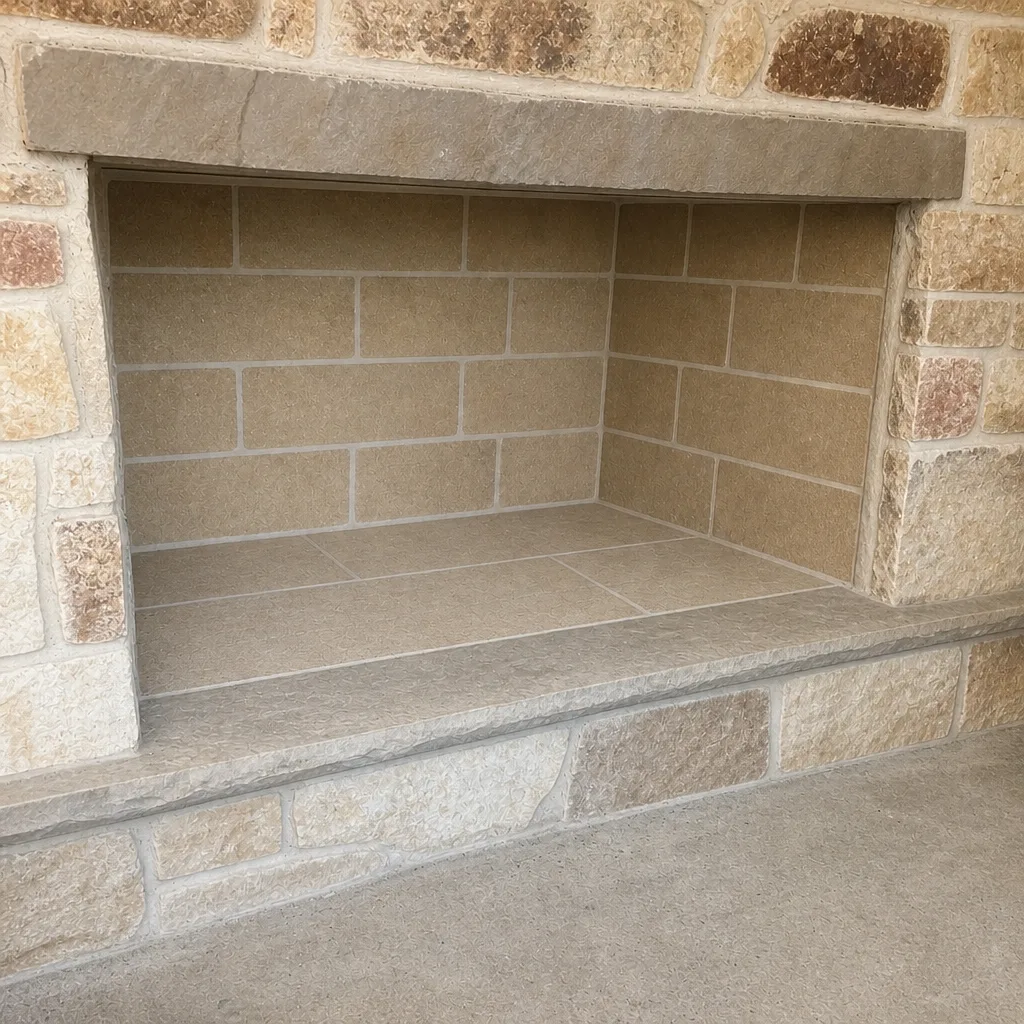
See the difference
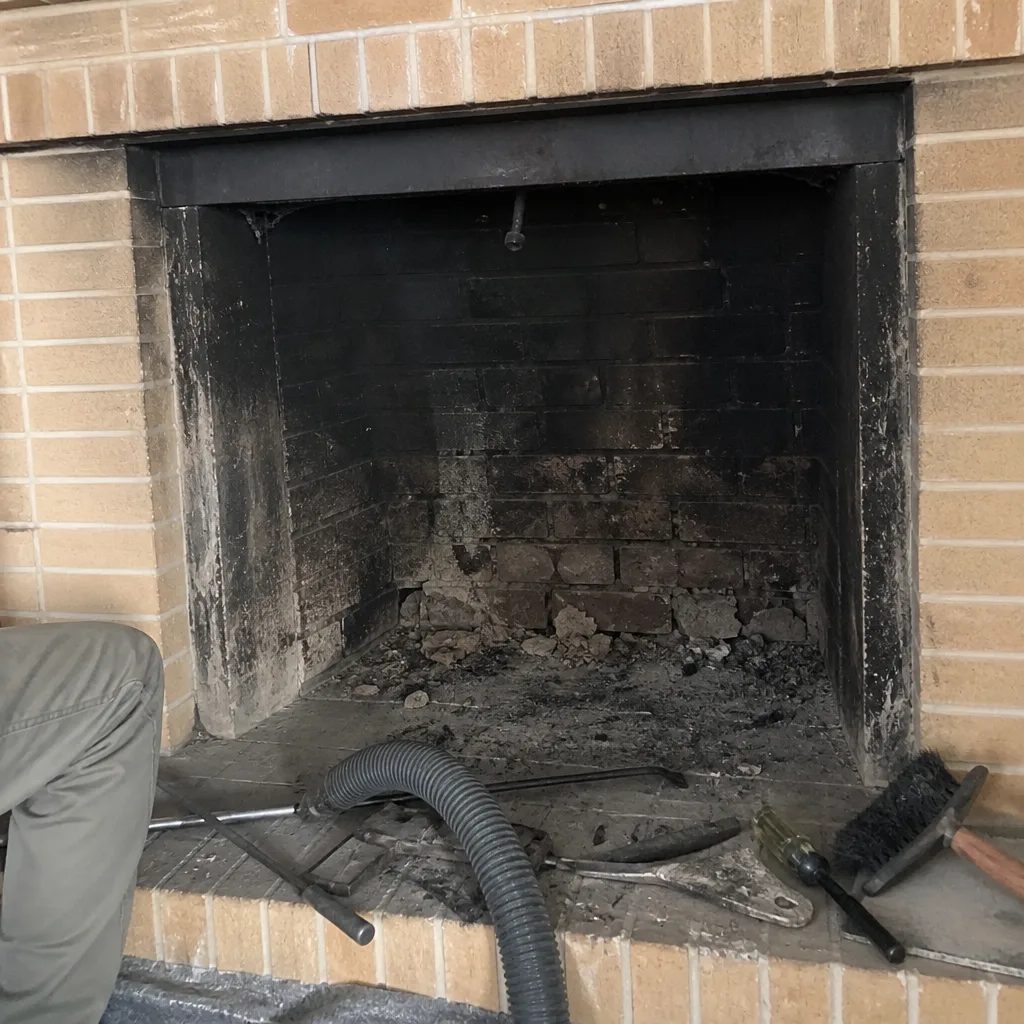 Before
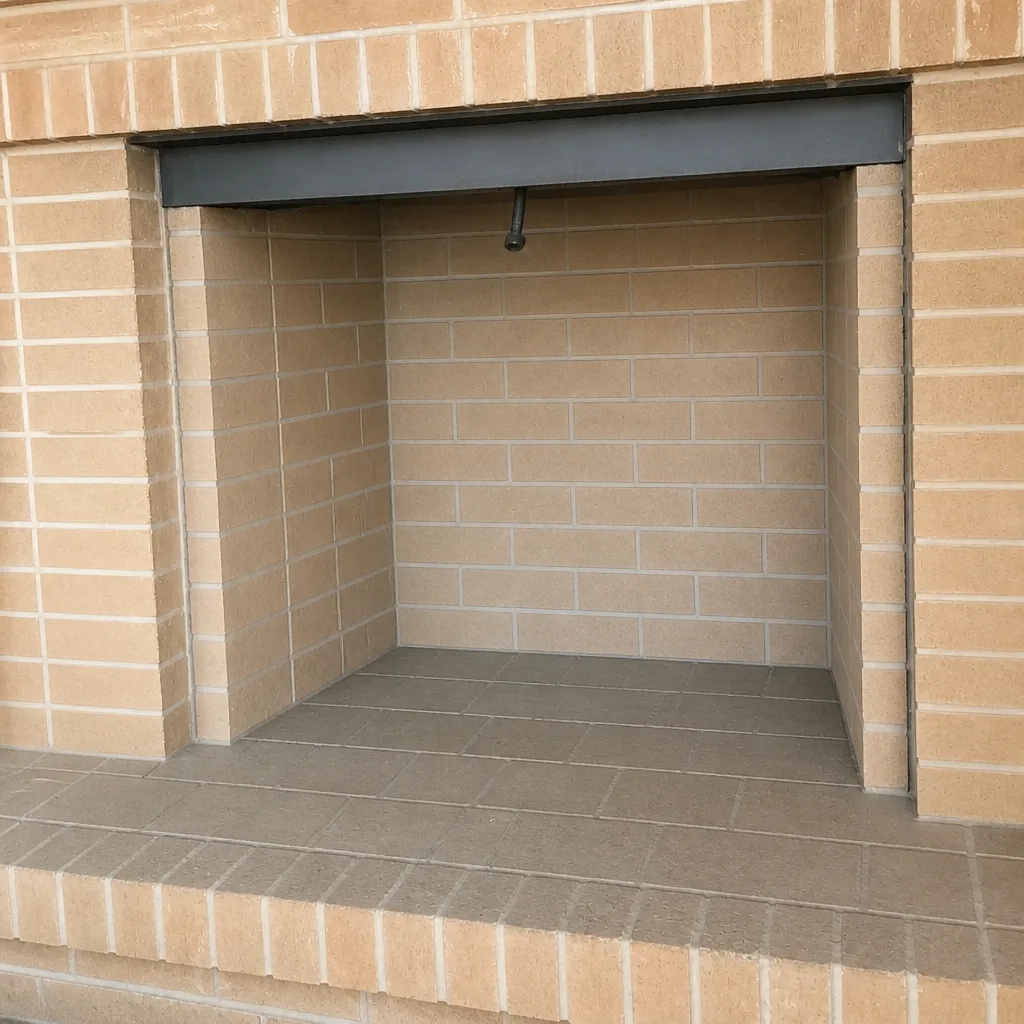 After
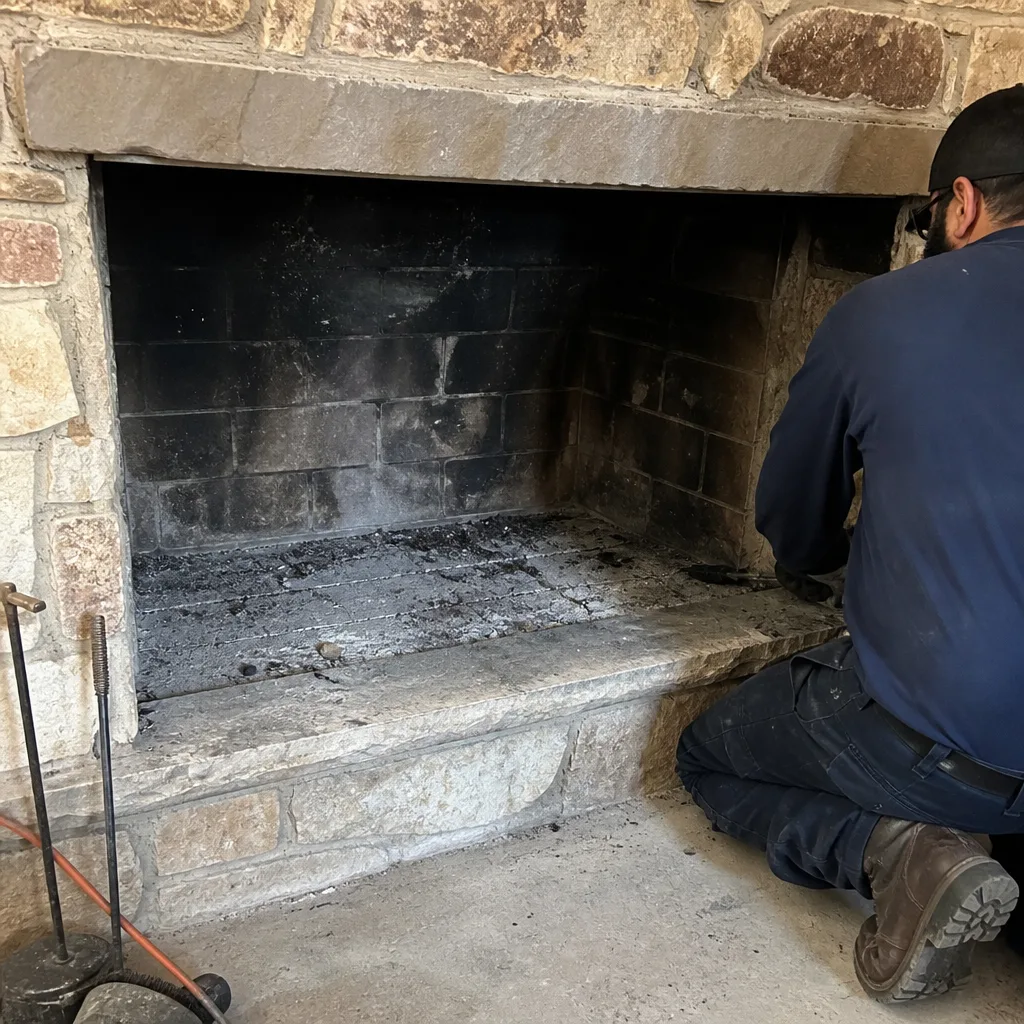 Before
 After
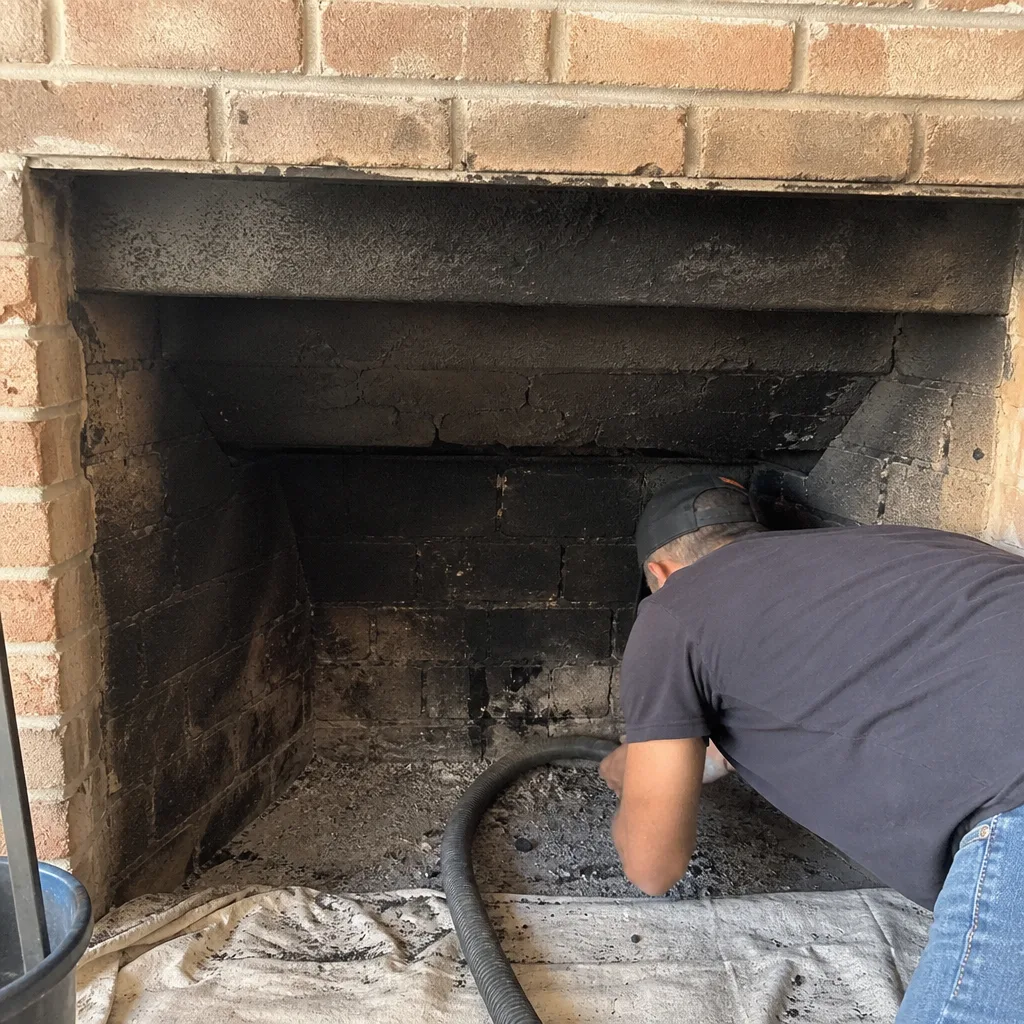 Before
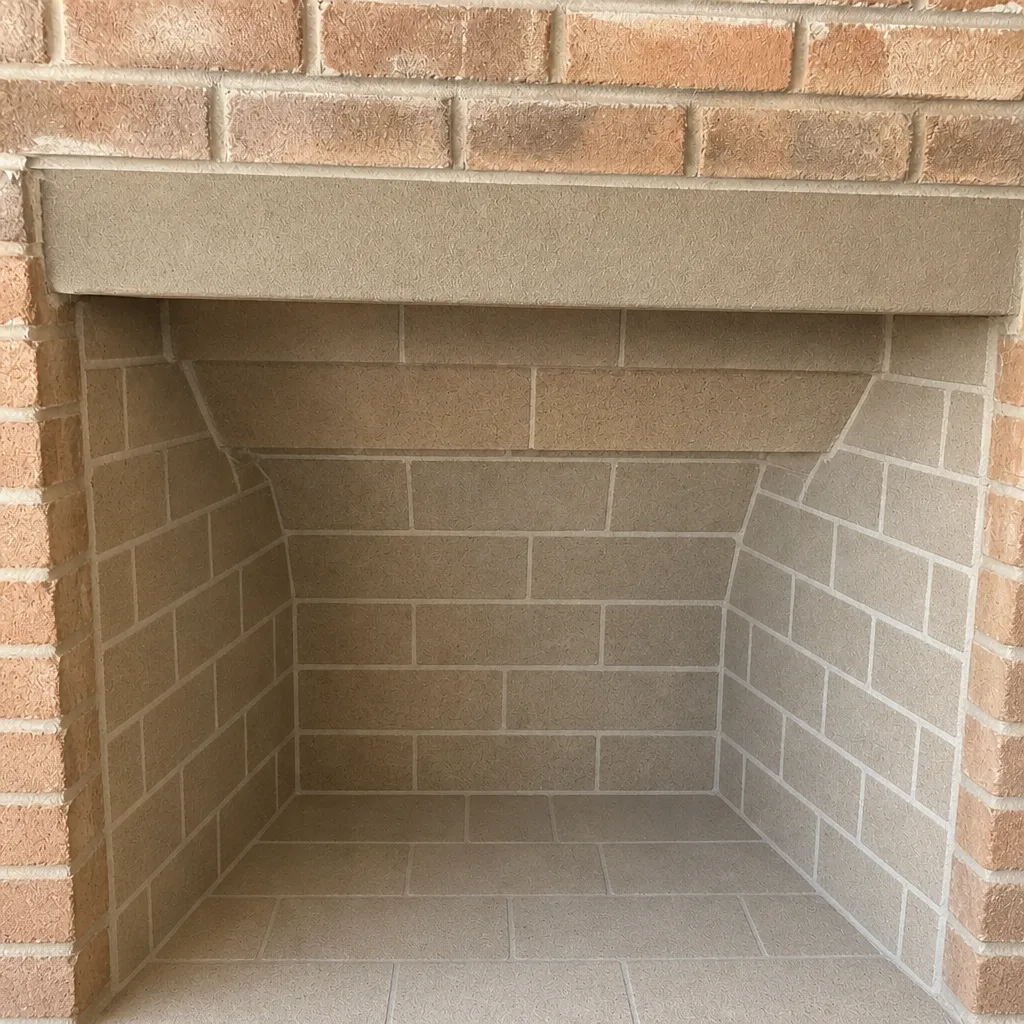 After
When to Call a Professional
Call a professional chimney service if you’ve had a flue fire, a CO detector event, or a suspected blockage – no exceptions. After any of those events, a Level 2 inspection is required before the fireplace is used again. Call if you can’t remember the last sweep, if you notice soot on the fireplace face, or if you smell smoke in the room when the fireplace is running normally. Call if you’re missing a cap or the one you have is cracked or loose. If you’re not sure, call anyway. A visual check takes less than an hour. Chimney Sweep Odessa offers free estimates in Odessa. Our technicians have up to 12 years of experience, and we can diagnose and resolve sweep, repair, and inspection issues in a single visit. Call (833) 486-7503. We answer 24/7. Fast dispatch from 7am to 7pm, Sunday through Friday.
Frequently Asked Questions
You may not have felt it. A chimney fire can run hot and loud, with a roaring sound and sparks above the cap, or it can smolder quietly with no visible sign from inside the house. The clearest indicators after the fact are a strong acrid smell, soot on the fireplace face, puffy or “honeycombed” creosote inside the flue, or warped damper parts. A Level 2 camera inspection is the only reliable way to know. Call (833) 486-7503 for an inspection before the fireplace is relit.
Chimney sweep pricing in Odessa depends on what the appointment actually requires – a standard sweep with a Level 1 inspection is priced differently than a post-emergency Level 2 inspection with camera footage. The written estimate sets the final price, and estimates are free. Call (833) 486-7503 for an exact quote.
You need a Level 2 inspection. A regular sweep cleans the flue and inspects from the firebox and the top, but it doesn’t camera the full interior. After a flue fire, the damage may be in the tile joints you can’t see without a camera, and the fireplace isn’t safe to relight until those are confirmed intact. Call (833) 486-7503 to schedule the post-fire inspection.
The CO source remains unknown and the hazard remains present. Backdrafting can come from a blocked flue, a cracked liner, or house-pressure issues, and none of those resolve on their own. If the last event was CO, a technician needs to check the flue for damage and verify the drafting against the house. Call (833) 486-7503. Estimates are free.
Hire a professional, especially if the flue size hasn’t been measured. A proper cap needs to be sized to the flue and sealed at the crown; a hardware-store cap that doesn’t fit leaves gaps where animals and moisture get in. We work with Famco and Copperfield caps sized to the flue. Call (833) 486-7503 to schedule a cap installation.
Once a year for most wood-burning fireplaces, and at the end of the burning season rather than the start. The “end of season” timing matters in Odessa, because the mild winters mean intermittent burns that deposit creosote over several months – and the flue should be clean before it sits idle through the warm season. Call (833) 486-7503 to book an annual sweep.
The Bottom Line
Chimney emergencies in Odessa are easier to prevent than to recover from, and the two most dangerous events – flue fires and CO backdrafting – happen without obvious warning. Close the damper, get out, call 911, and never relight the fireplace until a Level 2 inspection has confirmed the flue is sound. Keep the last inspection report in the house, keep a CO detector on each floor, and keep an ABC extinguisher near the hearth. If any of that is missing, fix it before the next fire. Call (833) 486-7503 for a free estimate on any chimney sweep, repair, or inspection work in Odessa.
Written by the team at Chimney Sweep Odessa.