
Last updated November 15, 2026
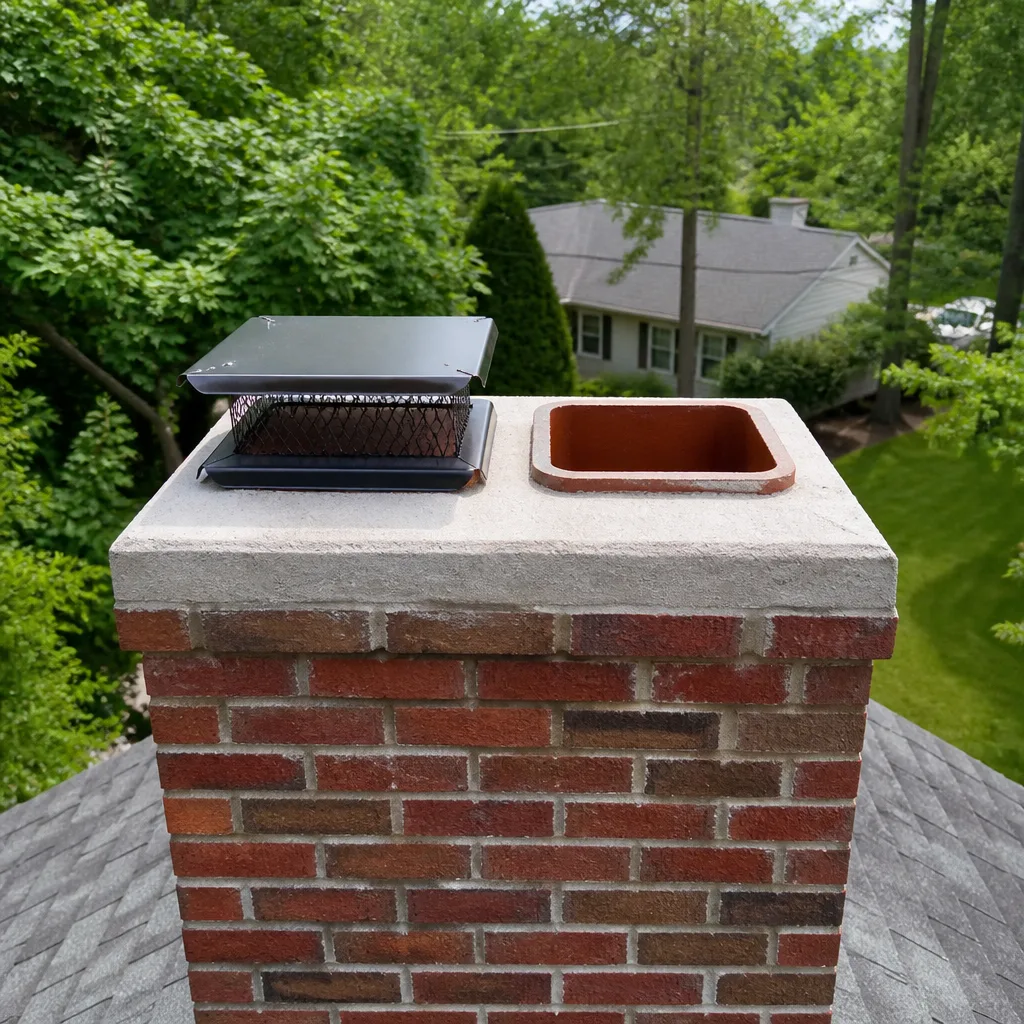 Sweep & inspection
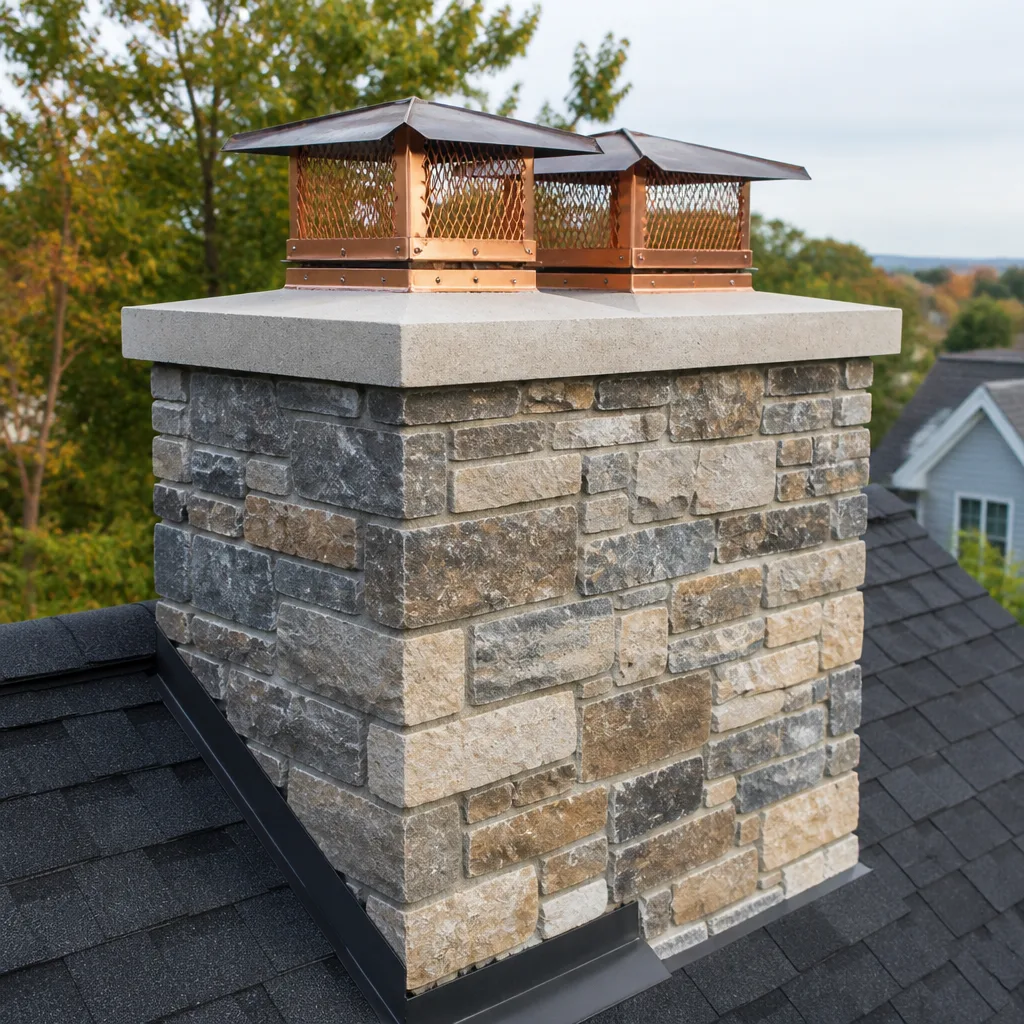 Caps & crowns
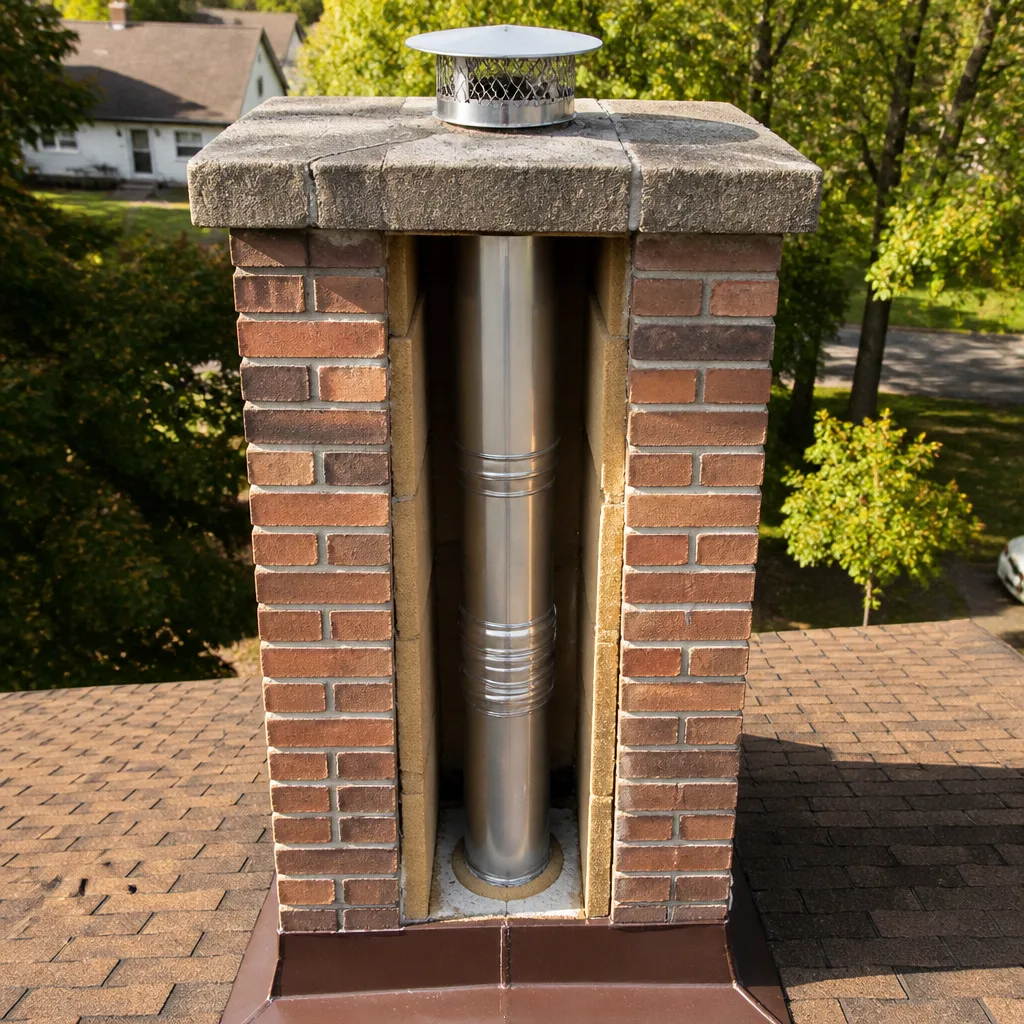 Flue relining
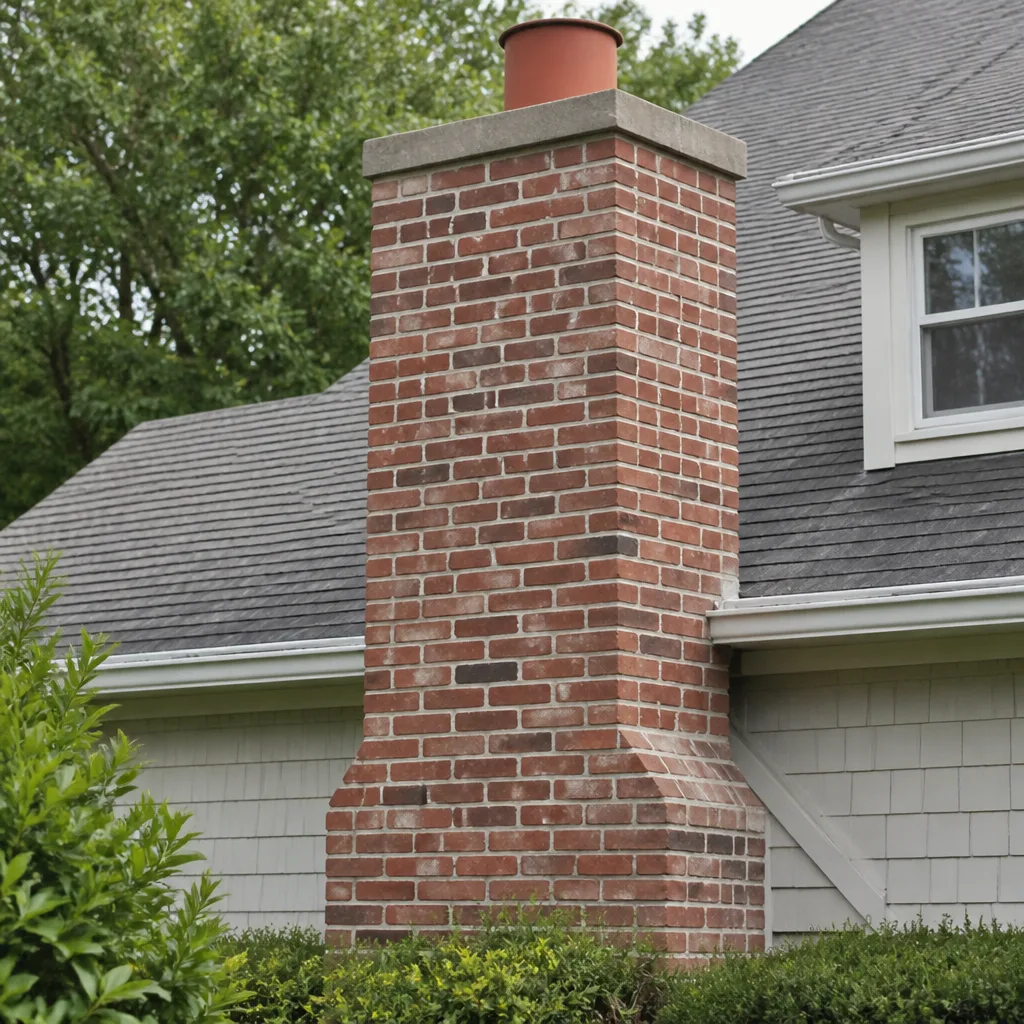 Masonry repair
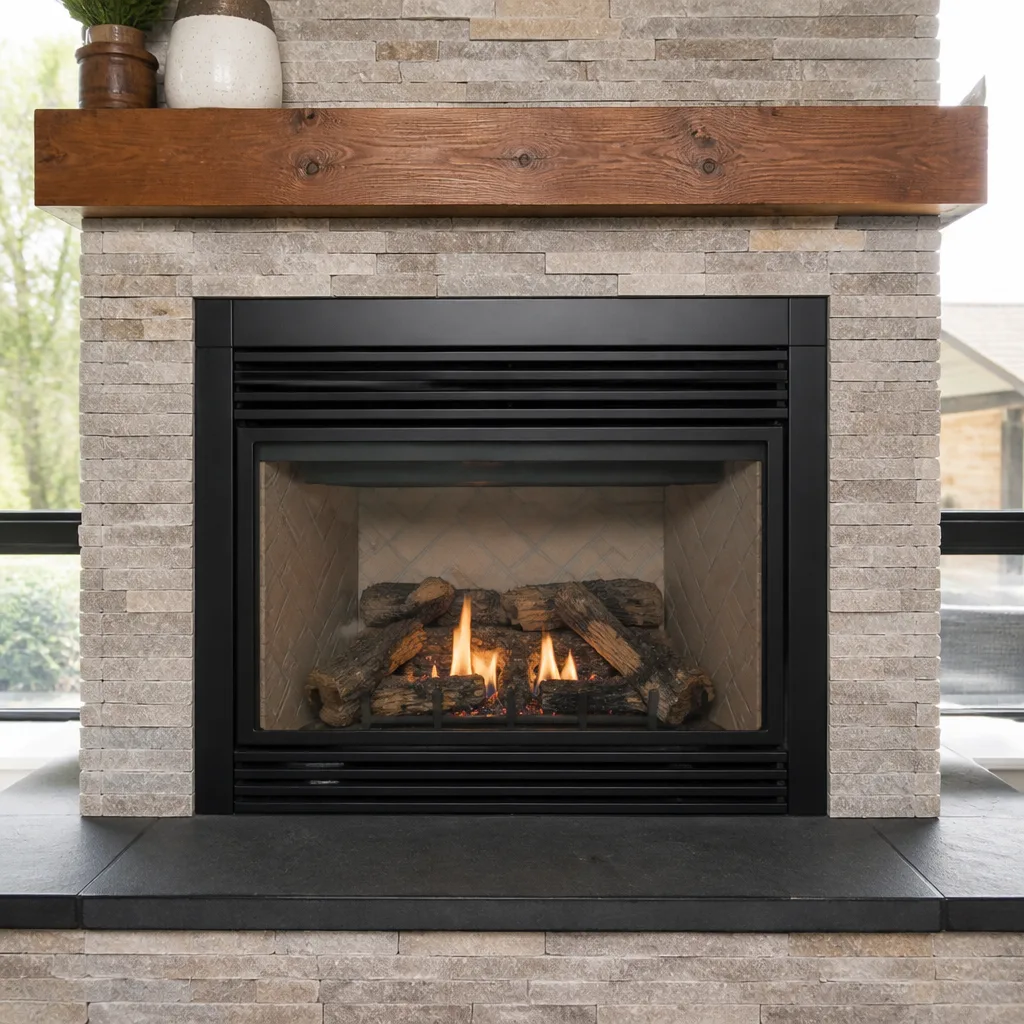 Gas fireplace service
Level 1 sweep and inspection to the NFPA 211 annual standard - flue, crown, cap, and flashing checked and photographed
Chimney sweep logs do not sweep chimneys. They loosen some creosote - which then falls where a brush and vacuum still have to collect it.
Chimney Cleaning Permits, Codes & Inspections in Odessa, TX: What You Need to Know
Most Odessa homeowners assume chimney work is automatically permit-free, and for a straight sweep it usually is. But the moment a contractor touches the liner, the crown, or the firebox structure, Texas building code and local ordinances can require permits that plenty of handymen never pull. If that unpermitted work later contributes to a fire, your insurance company may point to the missing permit when it decides whether to pay. This guide draws the line between maintenance and structural work, explains how NFPA 211 underpins Texas residential code, and shows you how to verify a permit was actually pulled before anyone climbs on your roof in Odessa.
Quick Answer
A routine chimney sweep in Odessa is maintenance work and typically does not require a permit. Structural or component-level work – relining a flue, rebuilding a crown, resurfacing a firebox, or altering clearances – usually does require a permit under Texas residential code and Ector County and City of Odessa rules. A Level 2 inspection is the standard that tells you which category your job falls into, and it’s required at property transfer, after a chimney fire, and after any modification to the system.
Styles & brands we work with
- Sweep & inspection
- Caps & crowns
- Flue relining
- Masonry repair
- Gas fireplace service
Table of Contents
- Which Chimney Services in Odessa Require a Permit?
- How NFPA 211 Connects to Texas Residential Code
- What a Level 2 Inspection Is and When It’s Required
- How to Verify a Contractor Pulled the Permit
- What “Code Compliant” Means for Your Chimney in Texas
- Odessa Climate, Creosote, and the Inspection Cycle
- Common Mistakes to Avoid
- Frequently Asked Questions
Which Chimney Services in Odessa Require a Permit?
The clean split is between maintaining a chimney and changing it. A sweep removes creosote and soot from an existing flue and doesn’t alter the structure. Relining, rebuilding, or resurfacing changes what the system is made of, and that’s when the permitting question becomes real.
As a general rule in Odessa and across Ector County, these services fall on the maintenance side and usually don’t need a permit:
- A standard chimney sweep and creosote removal
- A Level 1 visual inspection of an accessible chimney
- Cap and cover installation using existing anchor points
- Cleaning or replacing a spark arrestor screen
- Routine firebox cleanup with no masonry repair
These services usually do cross into permitted work:
- Installing or replacing a stainless steel chimney liner
- Rebuilding or replacing a masonry crown
- Firebox resurfacing or refractory repair
- Chasing or extending a flue
- Altering clearances to combustibles or changing the flue’s height above the roofline
- Removing or capping off a chimney at the roofline
One caveat with a real consequence: permit rules shift with local ordinance updates, and they can differ between the city and unincorporated Ector County. Before any structural job, ask the City of Odessa’s building department directly whether your address needs a permit. A licensed chimney professional will expect that question and won’t fumble it. Anyone who waves it off with “we don’t need permits for that” has just told you something important about how they work.
Homeowners around Odessa who move each year with the oilfield learn this the hard way at closing. A reline done years earlier without a permit can surface as a paperwork problem right when you’re trying to sell. The fix is easier to do before the work starts than after.
How NFPA 211 Connects to Texas Residential Code
NFPA 211 is the Standard for Chimneys, Fireplaces, Vents, and Solid Fuel-Burning Appliances, and it’s the technical backbone Texas residential code leans on for wood-burning chimney systems. Local codes don’t invent their own chimney math. They adopt the national standard by reference, which is why a code inspector and a chimney professional will usually reach the same answer about a flue.
What NFPA 211 actually covers:
- Required chimney height above the roof and nearby rooflines
- Clearances between the chimney and combustible framing
- Liner requirements and the condition a liner must be in
- Cap and spark arrestor specifications
- Inspection levels (Level 1, 2, and 3) and when each applies
Why this matters for a homeowner rather than an inspector: “code compliant” isn’t a vague compliment. It means the specific dimensions and materials in NFPA 211 have been met. A flue that’s too short drafts poorly and lets smoke spill into the room. A clearance that’s too tight against framing is a slow, hidden fire path. Neither shows up in how your fire looks on a cold Odessa evening, and neither is something you can eyeball from the ground.
In our experience, the compliance problems we find in Odessa homes come from improvising rather than building to spec – a generic liner fitted where a contractor-specified one belongs, or a cap bolted on with whatever hardware was on hand. That’s part of why we source from professional-grade supply brands like DuraFlex for liner systems and Famco for cap and cover installations. The brand isn’t the point. The point is that the component was made to the standard the code cites, and it comes with the dimensions that prove it.
What a Level 2 Inspection Is and When It’s Required
A Level 2 inspection is a detailed examination of the entire chimney system – accessible portions of the flue, firebox, damper, crown, cap, and connections – using video camera equipment to look inside the flue where eyes can’t go. It goes well beyond a Level 1 visual check.
NFPA 211 calls for a Level 2 inspection in specific situations, and these are the ones that come up most in Odessa:
- Property transfer. When a home sells, the buyer’s lender or inspector usually expects documentation of chimney condition. A Level 2 with photo evidence answers that cleanly.
- After a chimney fire. Heat cracks liners and damages masonry in ways a visual check won’t catch. Even a small fire that “went out on its own” needs the flue opened up on camera.
- After any modification. A new appliance, a changed flue connection, a replaced liner, or a conversion to a different fuel type all trigger the requirement.
- After an event that could have damaged the system – a lightning strike, a nearby structure fire, or a severe weather event over the roof.
A Level 3 inspection goes further still, opening concealed spaces or removing parts of the chimney where a Level 2 finds a reason to look deeper. It’s rare, and it’s only justified when the evidence points there.
The reason this matters for permits is the order of operations. The inspection tells you whether structural work is needed. If it is, the permit is what lets that work happen legally. Skipping the inspection to save a step is how homeowners end up paying a contractor for a reline they may not have needed, or worse, getting a reline with no paper trail. For a deeper look at what each inspection level covers, our chimney inspection page walks through the process and what the photo report shows you.
How to Verify a Contractor Pulled the Permit
Verbal assurance is not verification. A contractor telling you “yeah, we pulled it” is a claim, not evidence, and the permit record is public. Here’s how to confirm the work on your Odessa home is properly permitted before a single component comes off your roof.
- Ask for the permit number before work begins. A legitimate contractor knows the number because they applied for it. If they can’t produce one upfront, that’s your answer.
- Call the City of Odessa building department and confirm. Give them the permit number and your address. They’ll tell you whether the permit exists, what it covers, and who it’s issued to. This takes one phone call.
- Confirm the permit lists the actual scope. A permit for a cap replacement doesn’t cover a full reline. The scope on paper has to match the work being done.
- Ask who will schedule the inspection. Permitted work generally requires an inspection by the local authority before it’s signed off. If nobody schedules it, the permit is just a piece of paper.
- Get the closeout documentation when the job is done. A final inspection record is what protects you at resale and with your insurer.
We’ve seen homeowners hand over a deposit for liner work and only think to check the permit after the scaffolding comes down. Checking first takes about ten minutes and gives you something concrete to hold onto if anything goes wrong later.
What “Code Compliant” Means for Your Chimney in Texas
Code compliance for a chimney comes down to height, clearance, and cap specifications – the three things inspectors look at first because they’re measurable and because each one has a direct effect on how the system performs.
Chimney height
NFPA 211 sets the minimum height above the roof and above anything within a specified distance of the chimney top. The height rule exists so the flue draws properly and so smoke clears the roof instead of curling back down. A flue that’s been shortened or extended without regard to the rule is a draft problem waiting to happen – and in a place like Odessa, where the wind moves across open ground with little to slow it down, bad draft shows up fast.
Clearance to combustibles
The chimney has to maintain a specific clearance from framing, sheathing, and other combustible material. This is the rule most often violated in older construction and the one most often hidden behind drywall. A camera inspection sees what a surface look can’t.
Cap and spark arrestor specifications
The cap keeps rain, birds, and debris out of the flue, and the spark arrestor screen keeps embers from landing on the roof. A cap fitted with generic hardware that doesn’t seat properly on the crown will leak, and that leak shows up as moisture damage inside the flue long before you notice anything in the house. Gelco and Famco make cap and cover components built to the dimensions the standard calls for, which is why we specify them rather than improvising.
One more piece worth knowing: when the inspection finds the flue interior eroded or pitted, resurfacing with a HeatShield system can restore a damaged flue without a full reline. That’s specialized work well beyond a standard sweep, and not every sweep-only company can perform it without sending it out to someone else.
Odessa Climate, Creosote, and the Inspection Cycle
Odessa’s winters are mild, which changes how a chimney ages compared to colder parts of the country. The heating season is shorter, but it’s also unsteady – a run of warm days, then a cold snap where the fireplace runs hard, then a stretch of idleness.
That pattern drives creosote formation. Slow, smoldering fires on cool evenings, damp wood, and a flue that never fully warms all contribute to creosote building up in layers. Creosote is the fuel behind a chimney fire, and the risk climbs with each season it goes unaddressed. A mild winter doesn’t mean a clean chimney stays clean; it means the fire gets used in bursts and the flue gets less steady heat to dry it out.
The inspection cycle we recommend for Odessa homeowners:
- Annual sweep and Level 1 inspection if your fireplace sees regular use through the heating season.
- A Level 2 inspection at property transfer, after a chimney fire, or after any modification to the system.
- A sweep before the season starts if you burn seasoned wood consistently, so you’re not discovering a clogged flue during the first cold snap.
- A check after long idle periods if the house has sat vacant – nests, debris, and moisture all find a dormant flue.
Dust and wind in Odessa also mean more debris collects on the crown and around the cap, and open caps are an invitation to birds and squirrels looking for shelter. Inspecting and sealing those entry points is not a seasonal nicety; it’s what keeps the flue clear. Our Chimney Sweep Odessa page covers how a full sweep and inspection sequence runs, start to finish.
Common Mistakes to Avoid
- Trusting a verbal permit promise. Anybody can say they pulled the permit. Call the building department and confirm it against your address. The record is public for exactly this reason.
- Letting a general handyman touch the flue. A handyman who can fix a fence may not know the clearance rules that govern a chimney liner. Chimney work is its own trade, and NFPA 211 is not a general contractor’s field manual.
- Skipping the Level 2 inspection at closing. Buyers in Odessa often discover a decades-old unpermitted reline during the sale process. Get the inspection documented before the paperwork is signed, not after the objection comes up.
- Accepting a “quick clean” with no look inside. A sweep that removes what’s reachable but never runs a camera leaves the actual condition of your flue unknown. The inspection comes first; the recommendation follows from what the camera shows.
- Going without a cap because “it hasn’t been a problem.” An open flue in Odessa takes in rain, wind-blown dust, and wildlife. The damage happens quietly and shows up as moisture in the flue or a blocked draft years later.
- Relining without a permit to save a step. The permit is what documents the work and what your insurer may ask for if something goes wrong. Saving a step here is the most expensive shortcut on the list.
- Ignoring the “after a fire” rule. Even a chimney fire that burned itself out can leave a cracked liner. A camera inspection is the only way to know for sure.
When to Call a Professional
Call a professional when the question is structural, when a fire has happened, when you’re buying or selling the home, or when you genuinely don’t know the condition of the flue. A chimney that has never been inspected is an unknown, and the only way to close that gap is a camera in the flue and a trained eye on the report. If you’re seeing smoke spill into the room, a strong creosote smell, staining on the exterior, or a flue that hasn’t been looked at in a long while, that’s the moment to book the inspection rather than guess. There’s no way to watch inside a flue from the ground.
Chimney Sweep Odessa offers free estimates in Odessa – call (833) 486-7503. We answer 24/7. Fast dispatch from 7am to 7pm, Sunday through Friday. Every job starts with a Level 2 inspection and a photo report you can see for yourself, and nothing gets recommended without camera evidence behind it. Licensed and insured. If a job can safely wait, we’ll tell you that too.
Frequently Asked Questions
A chimney cleaning does not require a permit in Odessa because it’s maintenance and doesn’t alter the structure. Relining, crown rebuilding, firebox resurfacing, and any change to clearances or flue height usually do require a permit under Texas residential code and Ector County rules. Confirm with the City of Odessa building department for your specific address. Call (833) 486-7503 for a free inspection estimate – we’ll tell you which category your chimney falls into before recommending anything.
A Level 2 inspection is a detailed camera examination of the chimney’s interior and all accessible components, and NFPA 211 requires it at property transfer, after a chimney fire, and after any modification to the system. It goes further than a Level 1 visual check because it sees what eyes can’t reach. If you’re unsure which level you need, call (833) 486-7503 for an exact quote – estimates are free.
Ask for the permit number before work starts, then call the City of Odessa building department and confirm it against your address. The permit record is public, and the scope listed on the permit has to match the work being done. A verbal assurance from the contractor is not verification. Call (833) 486-7503 if you want a second opinion on what a job actually requires.
Code compliant means the chimney meets the specific dimensions and materials in NFPA 211 – required height above the roofline, safe clearance to combustible framing, and a properly specified cap and spark arrestor. These are measurable standards, not a matter of opinion. Call (833) 486-7503 to have your chimney checked against the standard.
Skipping the inspection means the condition of your flue stays unknown, and the two risks that follow are creosote buildup that fuels a chimney fire and a cracked liner that lets heat and gases reach framing. Neither is visible from the ground or from a fire that looks normal. Call (833) 486-7503 to schedule a camera inspection with a photo report you can review.
Sweep annually if your fireplace gets regular use through the heating season, and book a Level 2 inspection at property transfer, after a fire, or after any modification. Odessa’s mild but unsteady winters – warm stretches followed by hard cold snaps – make annual sweeps worth keeping on a schedule rather than waiting for a symptom. Call (833) 486-7503 for an exact quote on a sweep and inspection.
The Bottom Line
A sweep in Odessa is maintenance and generally doesn’t need a permit. Structural work on the liner, crown, or firebox usually does, and the paperwork matters to your insurer and to anyone who buys the house later. NFPA 211 is the standard underlying Texas residential code for solid-fuel appliances, and the Level 2 inspection is what tells you which category your job belongs to before anyone starts. Check the permit number yourself, don’t take a verbal assurance, and book the inspection first. If you’re ready for a clear picture of your chimney’s condition, call (833) 486-7503 for a free estimate.
Written by the team at Chimney Sweep Odessa.
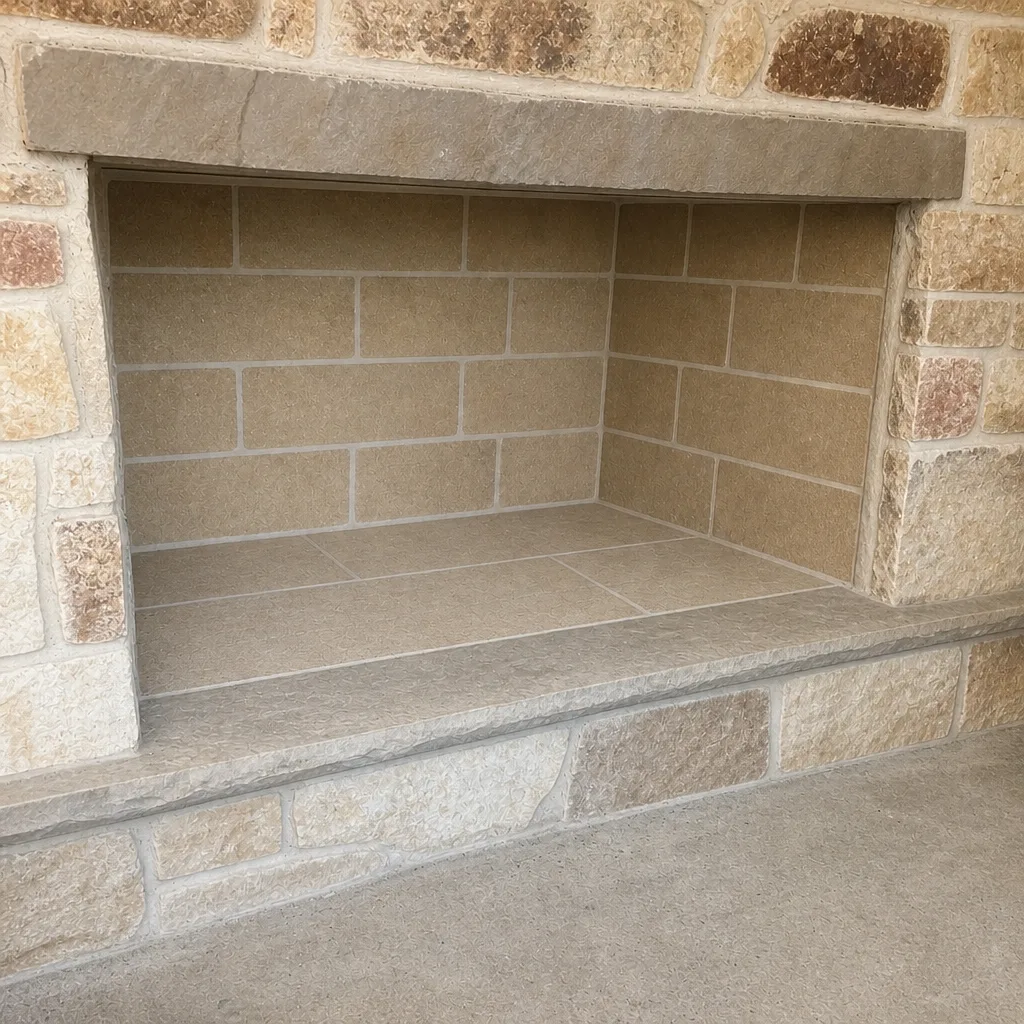
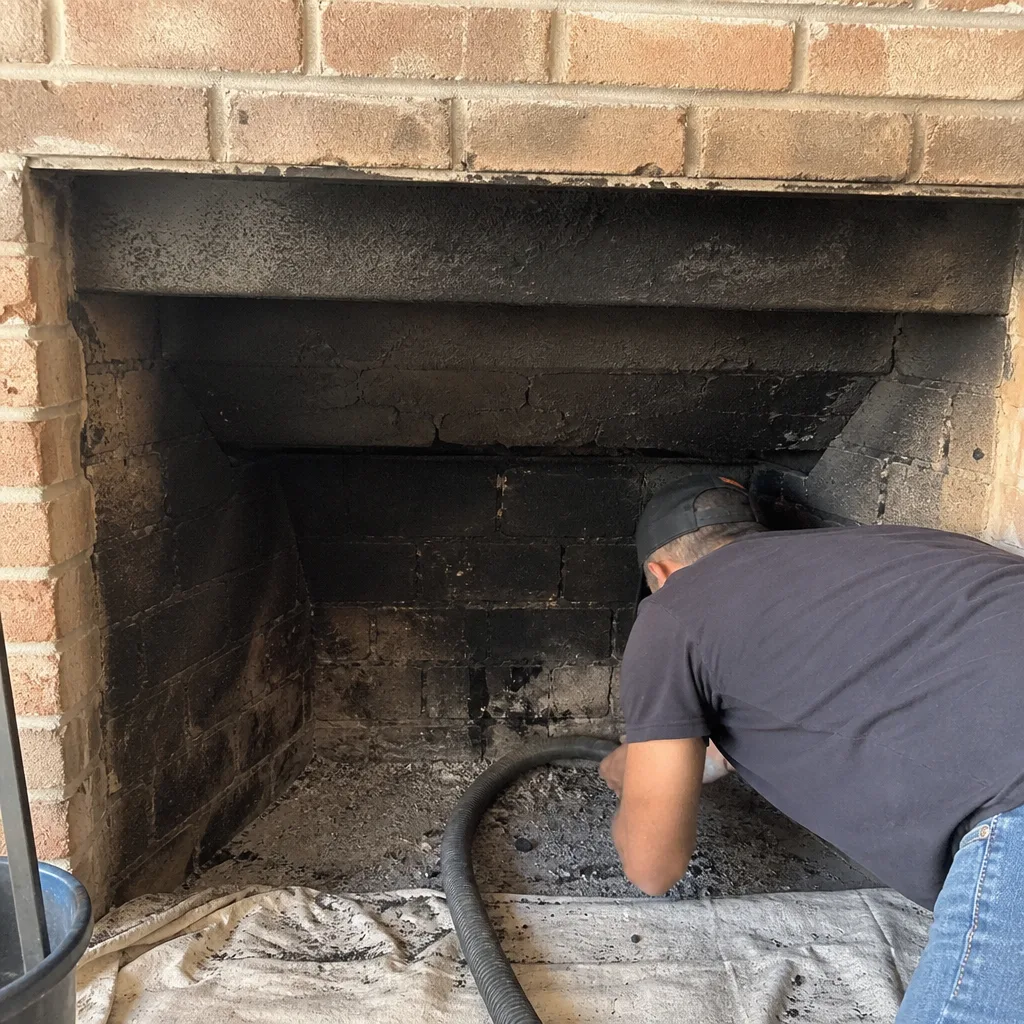
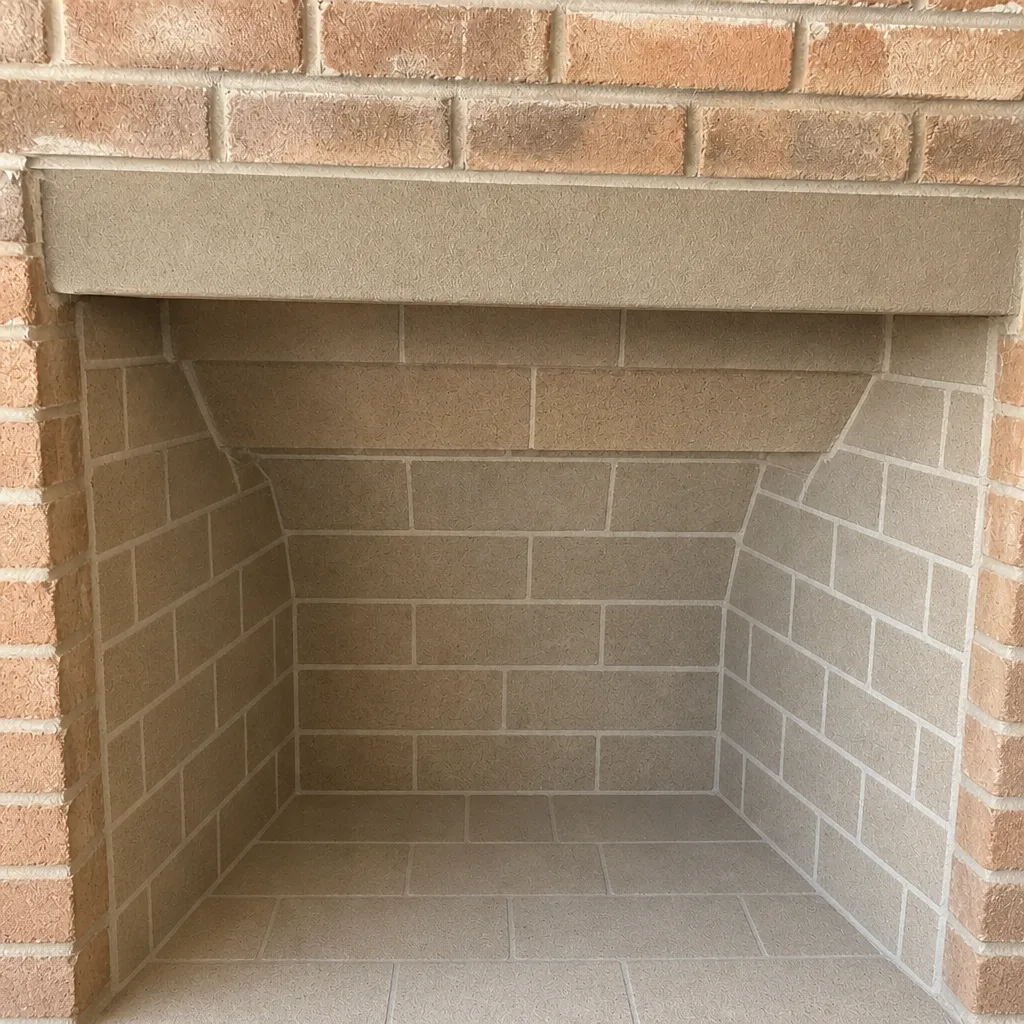
See the difference
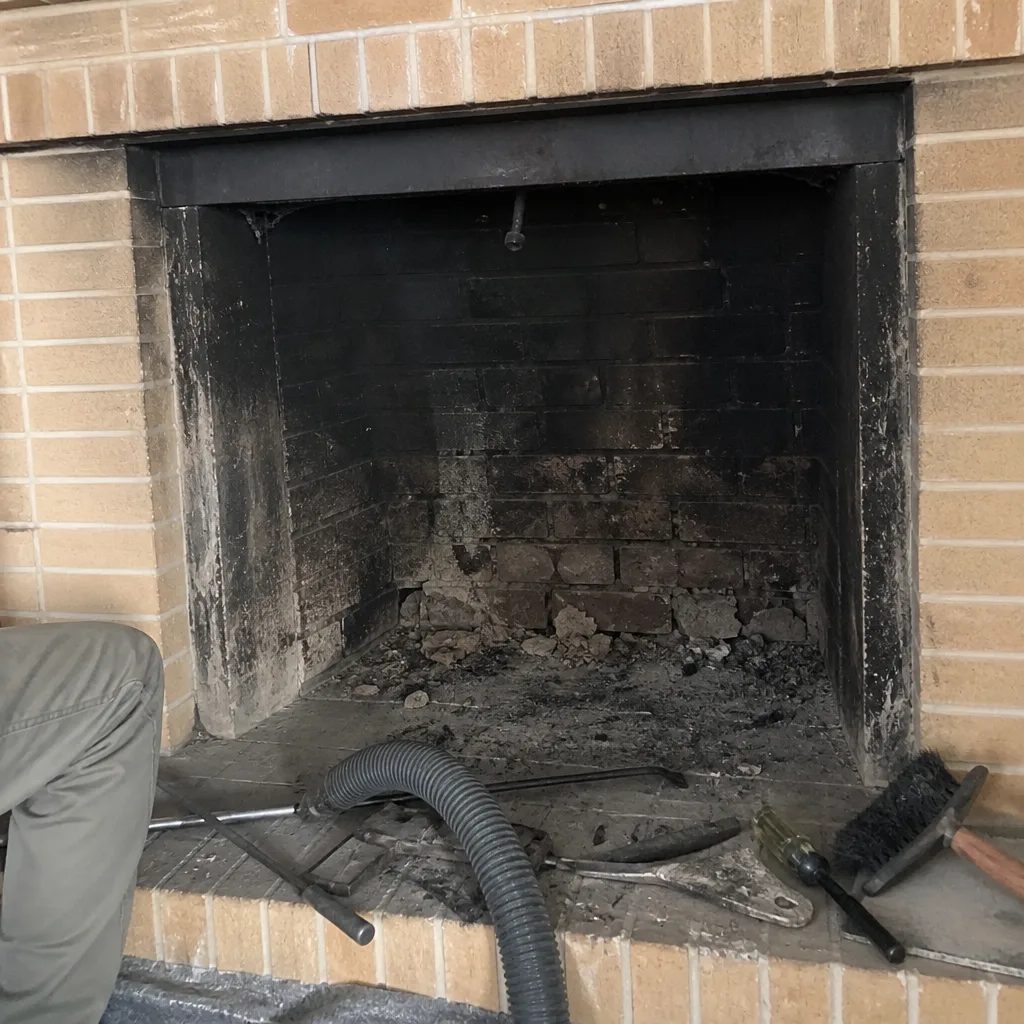 Before
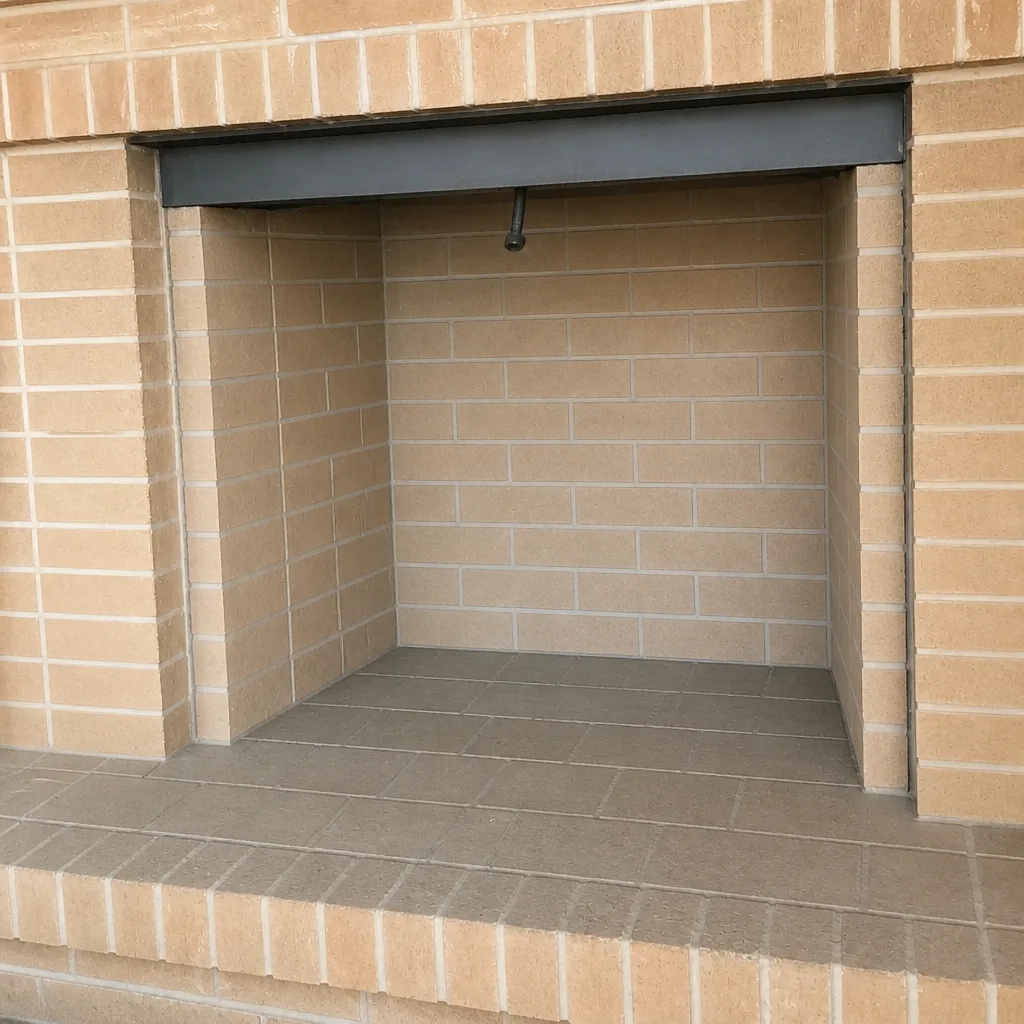 After
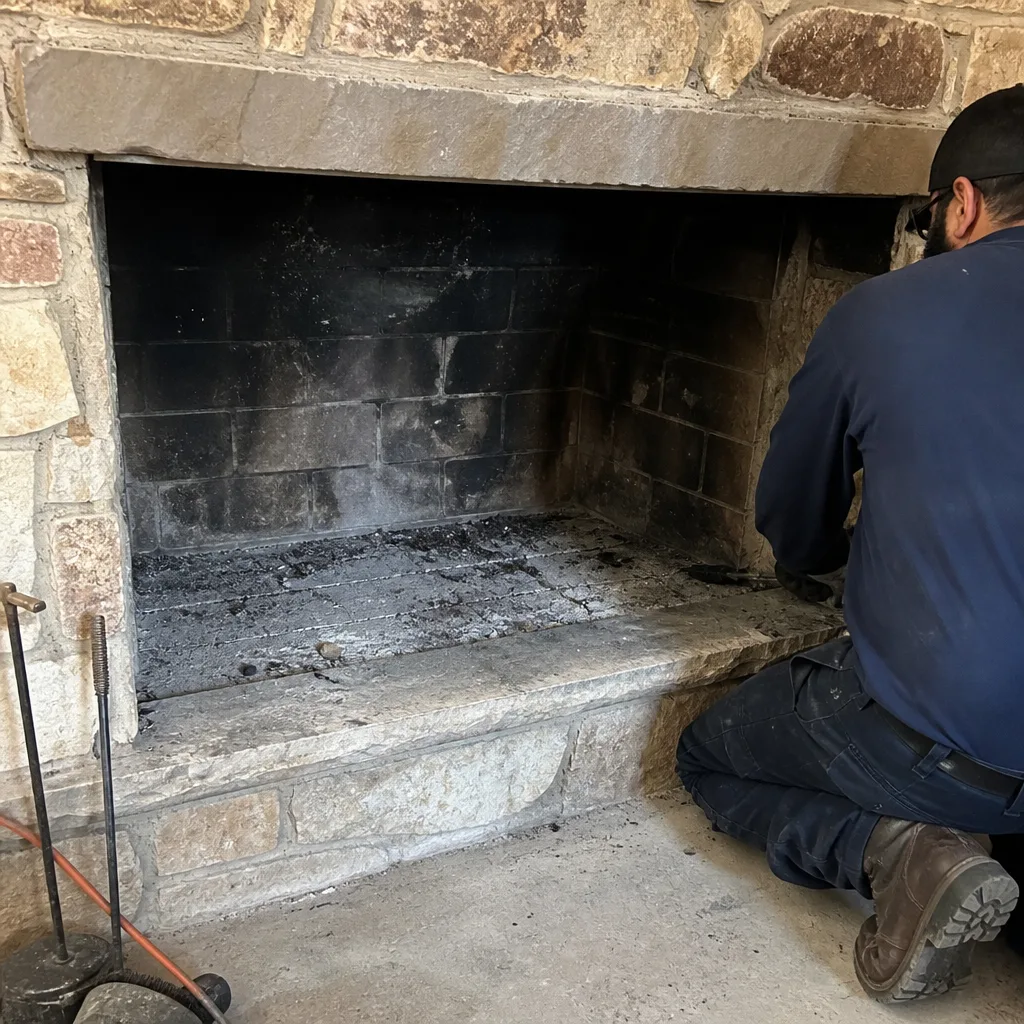 Before
 After
 Before
 After