
Last updated November 15, 2026
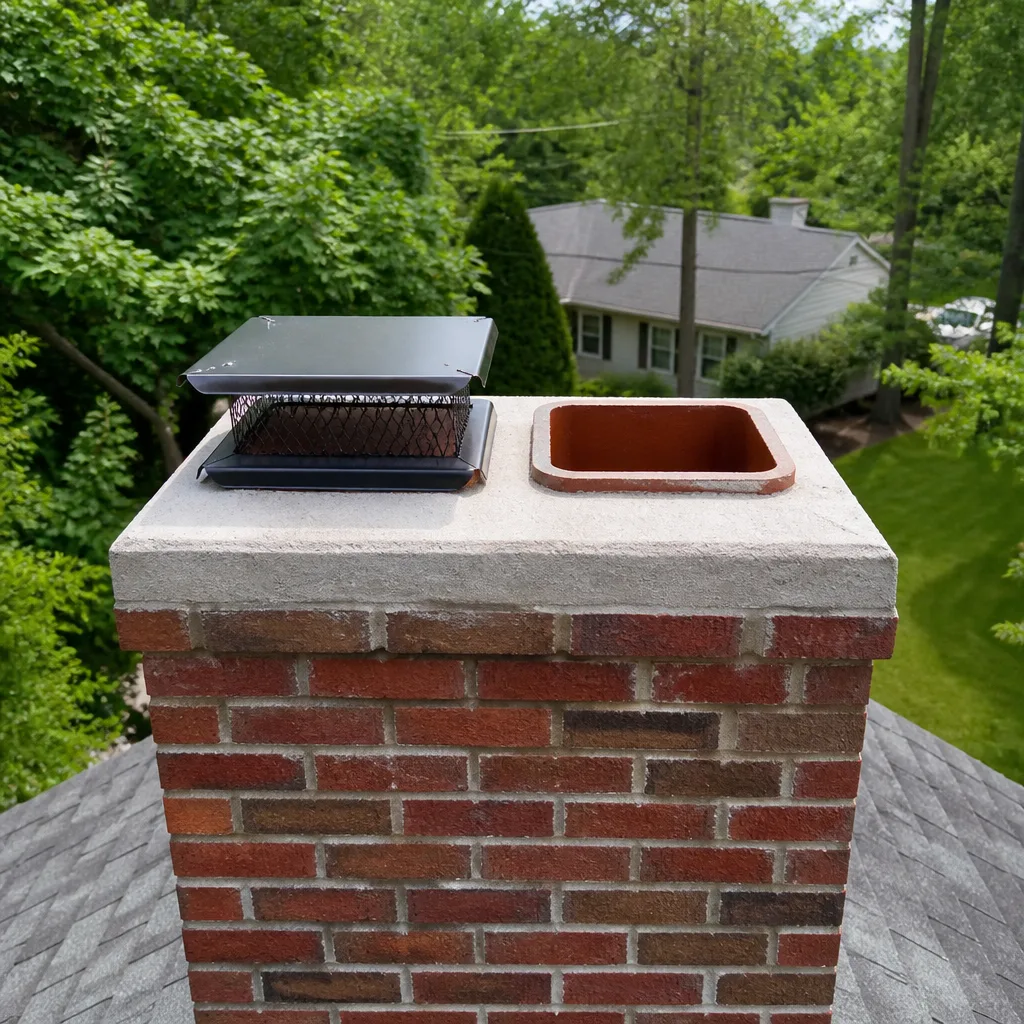 Sweep & inspection
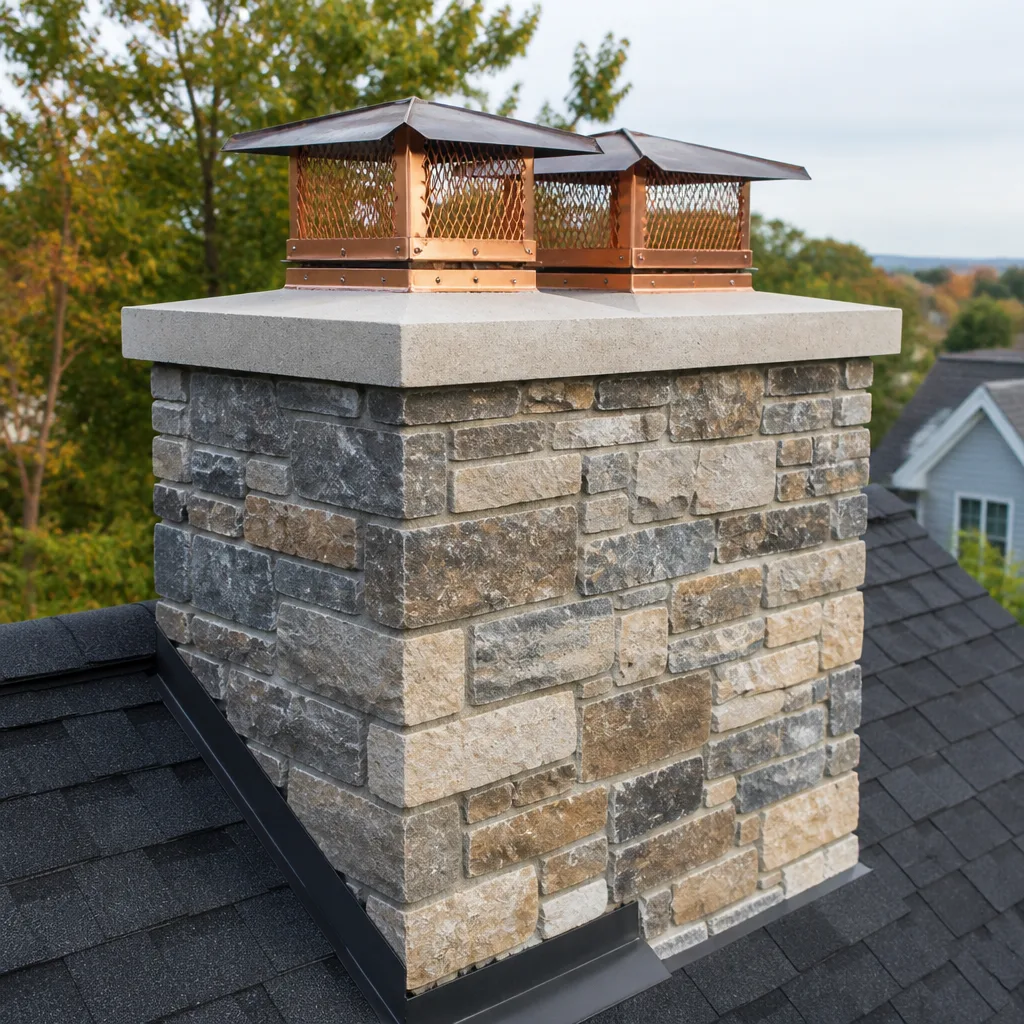 Caps & crowns
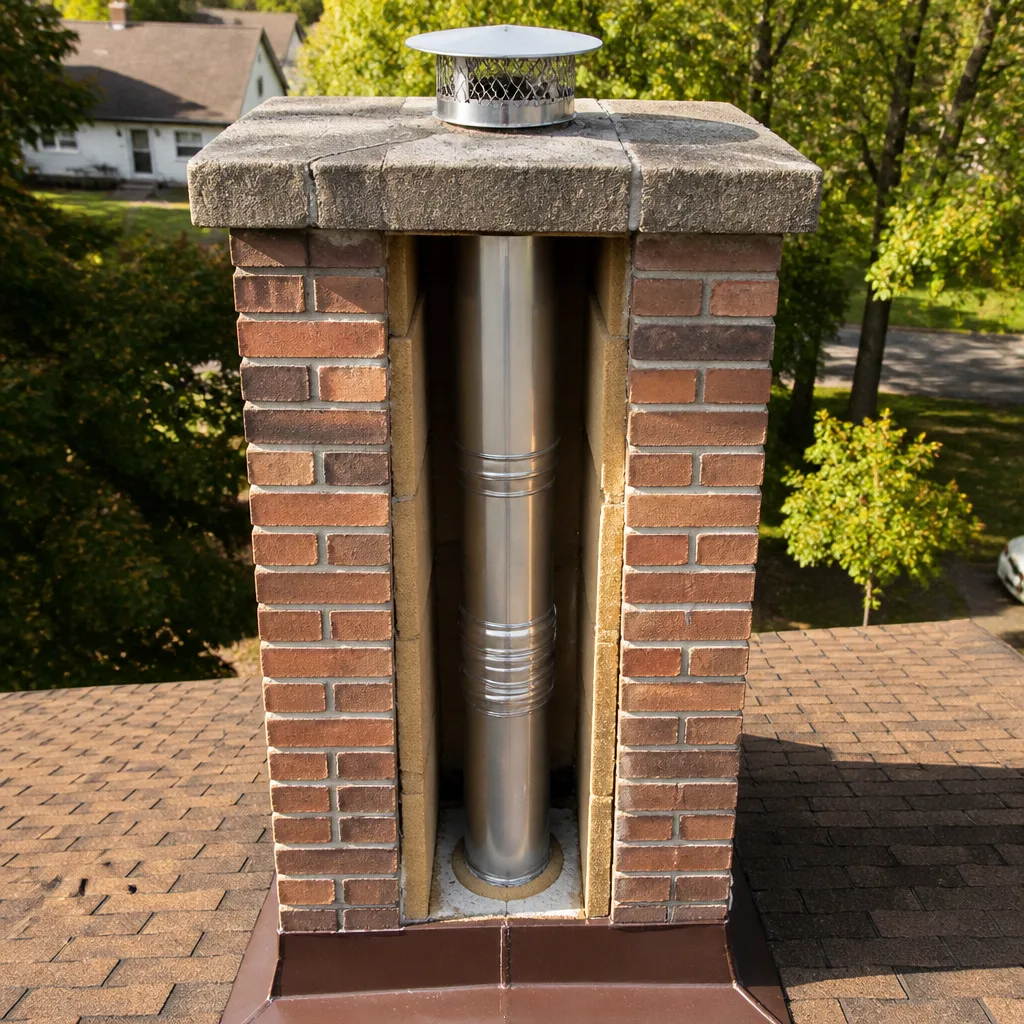 Flue relining
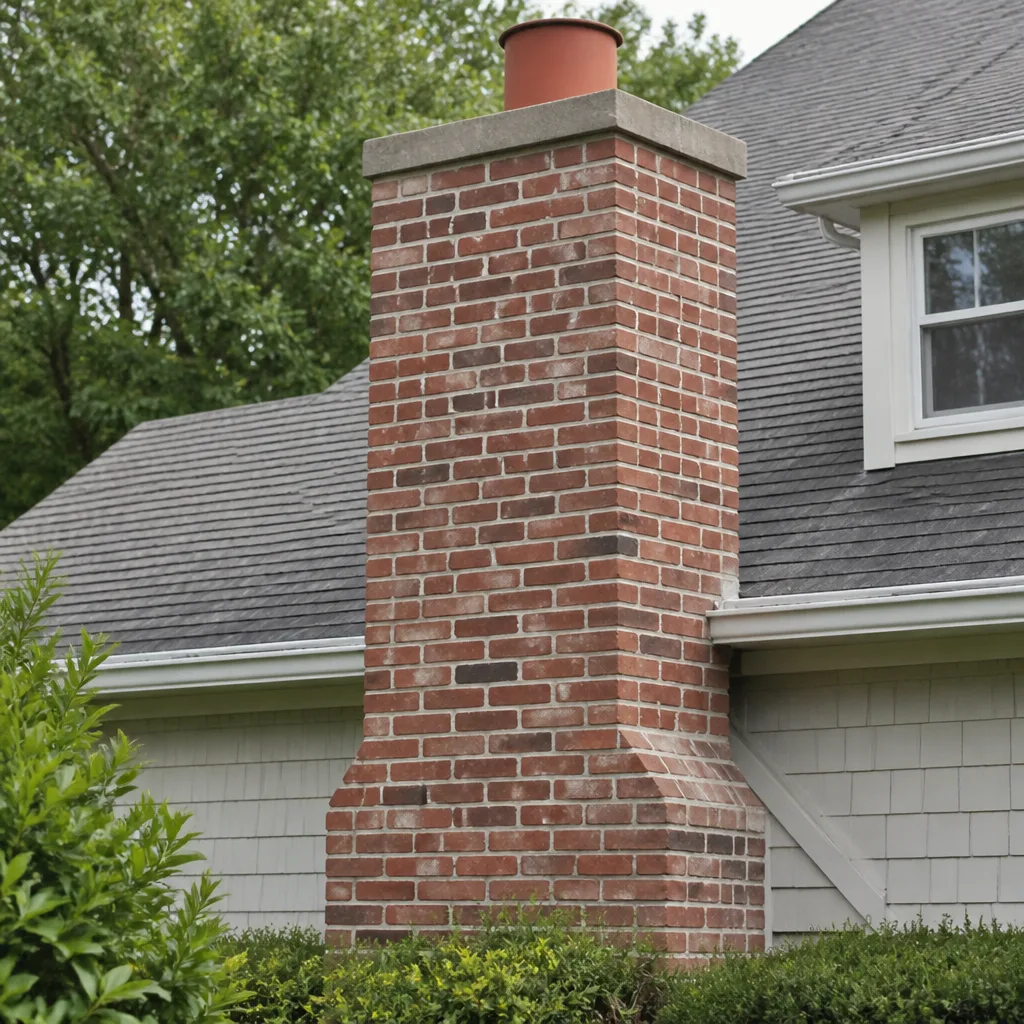 Masonry repair
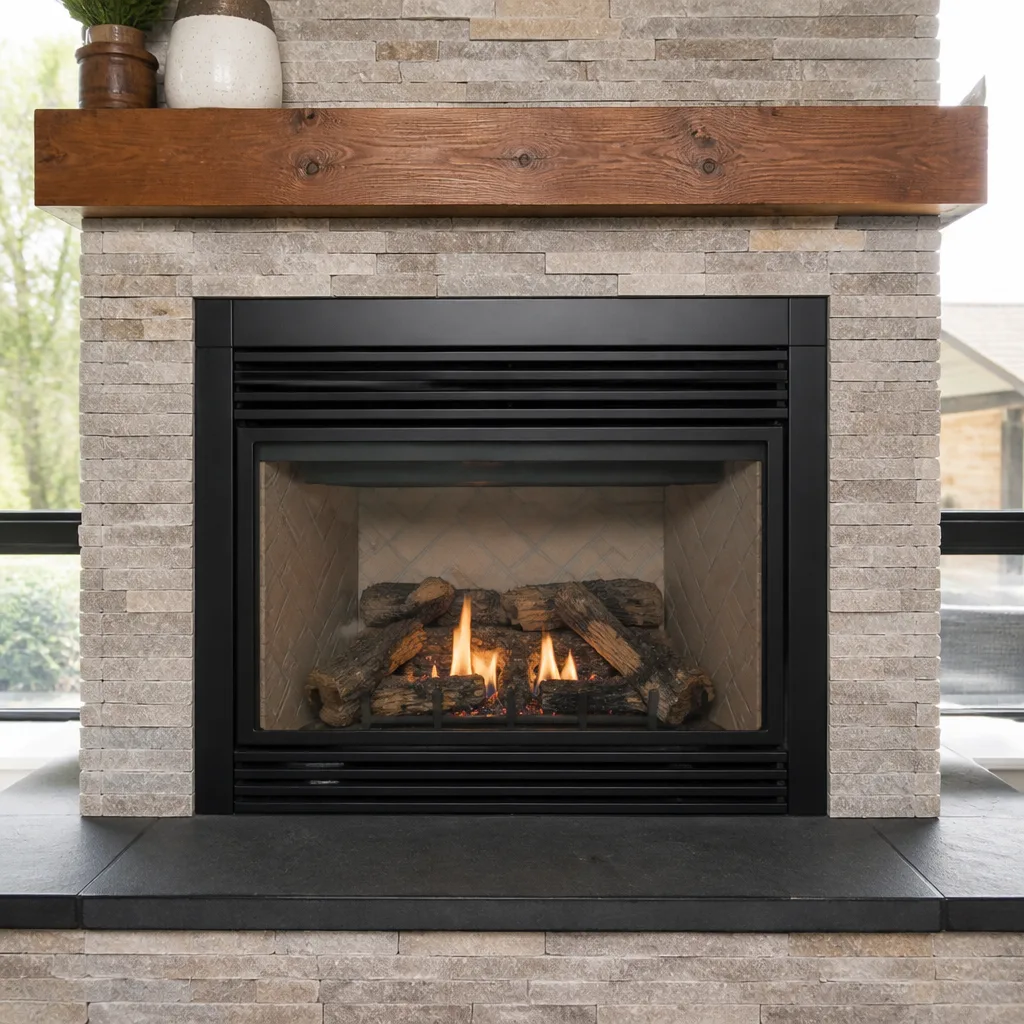 Gas fireplace service
Level 1 sweep and inspection to the NFPA 211 annual standard - flue, crown, cap, and flashing checked and photographed
Chimney sweep logs do not sweep chimneys. They loosen some creosote - which then falls where a brush and vacuum still have to collect it.
Chimney Sweep Maintenance Schedule: What to Do and When
Scheduling your chimney sweep in December, after you’ve already been burning for weeks, means you’ve spent that time firing a flue that may have entered the season with a cracked liner or a blocked cap. Most homeowners in Odessa treat the sweep as a winter errand. It isn’t. The work that protects your chimney happens in the months before the first fire, and in West Texas that window opens earlier than most people expect. This guide builds a month-by-month calendar for chimney care in Odessa: what to do in spring, what to watch in summer, why September matters, and how to know when a single annual sweep isn’t enough.
Quick Answer
Schedule your chimney sweep in Odessa in September, before burning season begins in October. Book a professional inspection in spring to check the cap, crown, and liner after the monsoon moisture of August has had time to dry, and get a second sweep mid-season if you burn more than two cords of wood. A single annual sweep is the minimum, not the whole schedule.
Styles & brands we work with
- Sweep & inspection
- Caps & crowns
- Flue relining
- Masonry repair
- Gas fireplace service
Table of Contents
- Why Timing Matters More Than Most Homeowners Think
- Why September Is the Best Sweep Month in Odessa
- The Odessa Chimney Calendar: Season by Season
- How Burn Frequency Changes Your Sweep Interval
- Monthly Tasks You Can Do vs. What Needs a Professional
- Documenting Your Chimney’s Maintenance History
- Why Inspection Comes Before Any Recommendation
Why Timing Matters More Than Most Homeowners Think
A chimney sweep is not a seasonal errand you squeeze in when the first cold front hits. It’s a diagnostic pass through a system that has been sitting idle for months, and what it finds depends entirely on when you run it. Sweep too late and you’ve already burned through a flue that had a problem you didn’t know about. Sweep too early and summer moisture may not have cleared enough to give a clean read on the masonry.
In Odessa, the spacing between burning seasons is long. Our summers run hot and dry, punctuated by the late-summer rain that pushes humidity up for a stretch in August. That moisture settles into masonry, into caps, and into the space around a flue. Then October arrives, the fireplace comes back to life, and the heat drives whatever moisture is left deeper into the structure. A chimney that gets inspected in July, after a wet August, tells you very little about what the liner looks like going into the burn.
The timing question is really about the condition of your chimney at the moment it starts working again. A pre-season chimney sweep gives you a clean flue and a clear picture. A sweep in the middle of the season gives you neither, because you’re already burning. That’s the schedule most people keep, and it’s backward.
We’ve seen enough Odessa chimneys to know the pattern: the calls arrive in November and December when someone notices smoke backing up or a smell that wasn’t there last year. By then the burning season is underway and the repair window is compressed. A sweep and inspection in September gives you time to fix what turns up before it matters.
Why September Is the Best Sweep Month in Odessa
September is the sweet spot for three reasons, and they line up almost perfectly. Burning season here starts in October, so a September sweep finishes before the first fire. The monsoon moisture from August has had several weeks to dry out of the masonry, so an inspection reads accurately. And the schedule is still open, which means you’re not competing with everyone who waited until the cold arrived.
Walk through those in order.
- Burning season starts in October. Most Odessa households light the first fire somewhere around the first real cool snap, which typically lands in October. A sweep done in September means the flue is clean, the damper is checked, and the cap is clear before anything gets lit. You go into the season with an inspected system, not a hope.
- August moisture needs time to dry. Late summer rain pushes humidity into masonry and into the crown. If you inspect during or right after that wet stretch, you may find surface moisture that clouds the picture of the masonry’s real condition. By late September, that moisture has moved on and a professional can read the brick and mortar honestly.
- Scheduling is still open. The busiest weeks for any chimney professional in Odessa are the ones just before and just after the first cold front. September sits ahead of that crush. You get a fuller inspection because there’s time for one, and if a repair turns up you have weeks to schedule it rather than days.
One caveat: if you skipped last season entirely, September is not the month to wait and see. Book an inspection now, because an unmaintained chimney that sat through a full burn cycle with no sweep is carrying more creosote than a normal annual cycle. That’s a safety question, not a scheduling preference. Creosote buildup is the fuel for chimney fires, and a flue that hasn’t been cleaned in two or more seasons is the one most likely to have a problem worth finding early.
The Odessa Chimney Calendar: Season by Season
Think of chimney care as four seasons of work, not one annual appointment. Each season has a small set of tasks that belong to it, and doing them in the right order keeps the system healthy without piling everything onto a single visit.
Spring: Cap and Crown Inspection
Spring is for the parts of the chimney that take the weather. The cap and crown are the two components most exposed to sun, wind, and rain, and they’re the two that fail quietly. A cracked crown lets water into the masonry below. A damaged cap lets rain in and wildlife out, and neither shows up until it’s done real damage. A spring inspection checks both, and a cap that’s past its service life gets replaced with a spec-grade cover from a manufacturer like Gelco or Famco rather than an improvised fix. A properly fitted cap keeps water and animals out of the flue, which is most of what cap maintenance is about.
Early Summer: Waterproofing
Water is the quiet enemy of every masonry chimney. It gets into mortar joints, freezes and expands (even in a mild winter, one hard overnight cold snap is enough), and slowly opens gaps. Early summer, before the heaviest rain, is the right time to apply a breathable waterproofing treatment to exterior masonry. Not a sealant that traps moisture inside, but a treatment that sheds water while letting the masonry breathe. This is also the season to look at the flashing where the chimney meets the roofline, since that’s where most leaks start.
Late Summer: Let It Dry
There’s not much to do in late summer except let the chimney dry out after August rain. Resist the urge to schedule a sweep during a wet stretch. The real work is waiting for the masonry to reach its normal moisture level, and then inspecting. In Odessa, that usually means the second half of September.
Early Fall: Sweep and Liner Check
This is the main event. A professional sweep clears the creosote from the flue, and the inspection that comes with it checks the liner for cracks, gaps, and deterioration. If the liner is failing, a DuraFlex liner system can often be installed during the same visit, which means you’re not scheduling a second appointment to fix what the first one found. That’s the whole point of doing the sweep in early fall: everything that turns up can be dealt with before the first fire.
Winter: Watch and Note
During burning season, your job is observation. Note how the fire draws. Watch for smoke rolling back into the room. Pay attention to any new smell. Keep a simple log of when you burn and how much. Those notes feed into the next pre-season inspection and give a professional something concrete to work from.
How Burn Frequency Changes Your Sweep Interval
A single annual sweep is the floor, not the ceiling. How often you actually need a sweep depends on how much you burn. The standard most chimney professionals use is volumetric: creosote accumulates in proportion to the wood you burn, and once you cross roughly two cords in a season, an annual sweep is no longer enough margin.
Here’s how we think about it in Odessa.
- Occasional burner (under one cord per season): Once a year is usually fine, plus an annual inspection. That’s a few fires a week through the cooler months.
- Regular burner (one to two cords): An annual sweep in early fall and an inspection each spring. The inspection is where you catch the liner and cap issues before they compound.
- Heavy burner (over two cords): This is where a mid-season second sweep belongs on the calendar. Two cords is a real amount of wood, and the creosote load builds faster than an annual sweep can stay ahead of. A second sweep in January, mid-burn, keeps the flue clear for the back half of the season.
Two other things move the interval. Burn quality matters: green or unseasoned wood produces far more creosote than dry, well-seasoned wood, so if your wood supply is wet or freshly cut, treat your burn as heavier than it is. And flue temperature matters: a fireplace that’s used for a long smoldering burn produces more creosote than one that burns hot and clean. If you’re burning slowly to stretch the wood, your deposits build faster, and the calendar should reflect it.
If you’re unsure where you land, the honest answer is to book an inspection and let the flue tell you. Our technicians have up to 12 years of experience reading creosote deposits, and the camera inspection shows you exactly what’s in there so you can see the evidence yourself.
Monthly Tasks You Can Do vs. What Needs a Professional
Some chimney maintenance belongs in your hands, done on a monthly rhythm through the season. Some genuinely requires tools and training, and doing it yourself risks damage or injury. The line between them matters.
What You Can Do Yourself (Monthly During Burning Season)
- Check the damper. Open and close it fully. It should move freely and seat cleanly. A damper that sticks or doesn’t seal lets heat escape up the flue when the fireplace is off, or blocks proper draft when it’s on.
- Clear firebox debris. Ash, unburned wood, and leftover kindling build up and can restrict airflow. Remove it with a scoop and a metal container. Let ash cool completely before you touch it.
- Look at the firebox walls. You’re looking for new cracks, loose mortar, or crumbling brick. Note anything that’s changed since last month.
- Check the cap visually. If you can see the chimney cap from the ground, look for obvious damage, missing screen, or debris. Don’t climb on the roof to check. That’s a job for a professional with the right equipment.
- Keep a burn log. Date, how much wood, how it burned. It’s a small habit that pays off when you need to describe your burn pattern to a professional later.
What Needs a Professional
- Sweeping the flue. A proper sweep uses specialty brushes and rods sized to the flue, plus a vacuum system that controls dust. Doing it with improvised tools risks damaging the liner.
- Liner inspection. Cracked or deteriorated liners are a fire and carbon monoxide risk. A professional inspection uses a camera to see the full length of the flue, which you cannot do from below.
- Firebox and flue resurfacing. Cracks in the firebox require professional restoration. We use HeatShield to resurface fireboxes and flues, which is a specialized process beyond what a sweep-only company can do.
- Cap and crown repair. Replacing a cracked crown or fitting a new cap requires roof access, proper materials, and knowledge of how the cap interacts with draft. This is not a ladder job.
- Any water intrusion. If you see staining on the ceiling near the chimney or crumbling mortar, that’s a professional call.
Documenting Your Chimney’s Maintenance History
A chimney’s maintenance history is worth more than most homeowners realize, and almost nobody keeps one. That’s a mistake, because it’s exactly the kind of record that matters when you sell a home or file an insurance claim.
What to keep:
- Dated records of every sweep and inspection. Date, who did the work, and what was found. A camera inspection report with photos is the gold standard here.
- Repair records. If a liner was relined, a crown replaced, or a firebox resurfaced, keep the record. It shows the system has been maintained to specification, not patched.
- Product records. If a DuraFlex liner was installed, or a Gelco or Olympia Chimney cap was fitted, note the brand and model. It matters to a buyer or an adjuster that the components are professional-grade, not hardware-store replacements.
- Your burn log. How much wood you burn per season tells a prospective buyer or an adjuster how heavily the chimney has been used.
Why it matters at a home sale: a buyer’s inspector will look at the chimney, and a chimney with a documented maintenance history and recent inspection is far easier to clear than one with no records at all. Why it matters for an insurance claim: if there’s ever a chimney fire or a water-damage claim, proof of regular maintenance and inspection is the difference between a claim that gets paid and one that gets questioned. Documentation is preventive work, done when nothing is wrong, that pays off when something is.
Why Inspection Comes Before Any Recommendation
The most common concern we hear from homeowners is being told they need expensive liner or masonry work they have no way to verify. It’s a fair concern, and it’s the reason every service we perform starts with an inspection, not a sales pitch.
An inspection uses a camera to look the full length of the flue, and the photo report is yours. You see what we see. If the liner is sound, no liner work gets recommended. If the firebox has surface cracks that don’t yet need resurfacing, we tell you so and note it for the next inspection. If something can safely wait, we say it can safely wait. The recommendation comes from the camera evidence, not the other way around.
This is also why we don’t offer a quick clean without an inspection attached. A sweep alone clears the flue, but it doesn’t tell you what condition the flue is in. The inspection is the point. Everything else follows from what it shows. A full-service chimney repair capability means that when the inspection does find something, it can be addressed in the same engagement rather than referred out to a second contractor. Sweep, repair, and inspection sit within one company, so you’re not coordinating between specialists who never talk to each other.
Common Mistakes to Avoid
- Waiting until December to sweep. By then you’ve been burning for weeks in an uninspected flue. In Odessa, the sweep belongs in September, before the season starts, not after.
- Treating one annual sweep as the whole schedule. A single sweep is the minimum, not the schedule. Cap and crown checks belong in spring, waterproofing in early summer. Skipping those means the sweep is the only time anyone looks at the chimney, and that’s not enough.
- Burning green or unseasoned wood to stretch the supply. Wet wood produces far more creosote than dry wood. If your wood supply isn’t seasoned, treat your burn as heavier and shorten the sweep interval.
- Ignoring a cap that’s clearly damaged. A missing or damaged cap lets water, birds, and debris into the flue. A proper spec-grade cap from Gelco or Famco is a small fix that prevents a large one.
- Skipping the mid-season sweep when you burn heavily. If you burn more than two cords, a second sweep in January keeps the flue clear for the second half of the season. An annual sweep alone won’t cover it.
- Not keeping records. A chimney with no documented maintenance history raises questions at a home inspection or an insurance claim. Good records are free to keep and valuable when they matter.
- Climbing on the roof to check the cap yourself. Roof access is dangerous, and a chimney cap check is a professional task. Look from the ground and let a trained technician handle the roof.
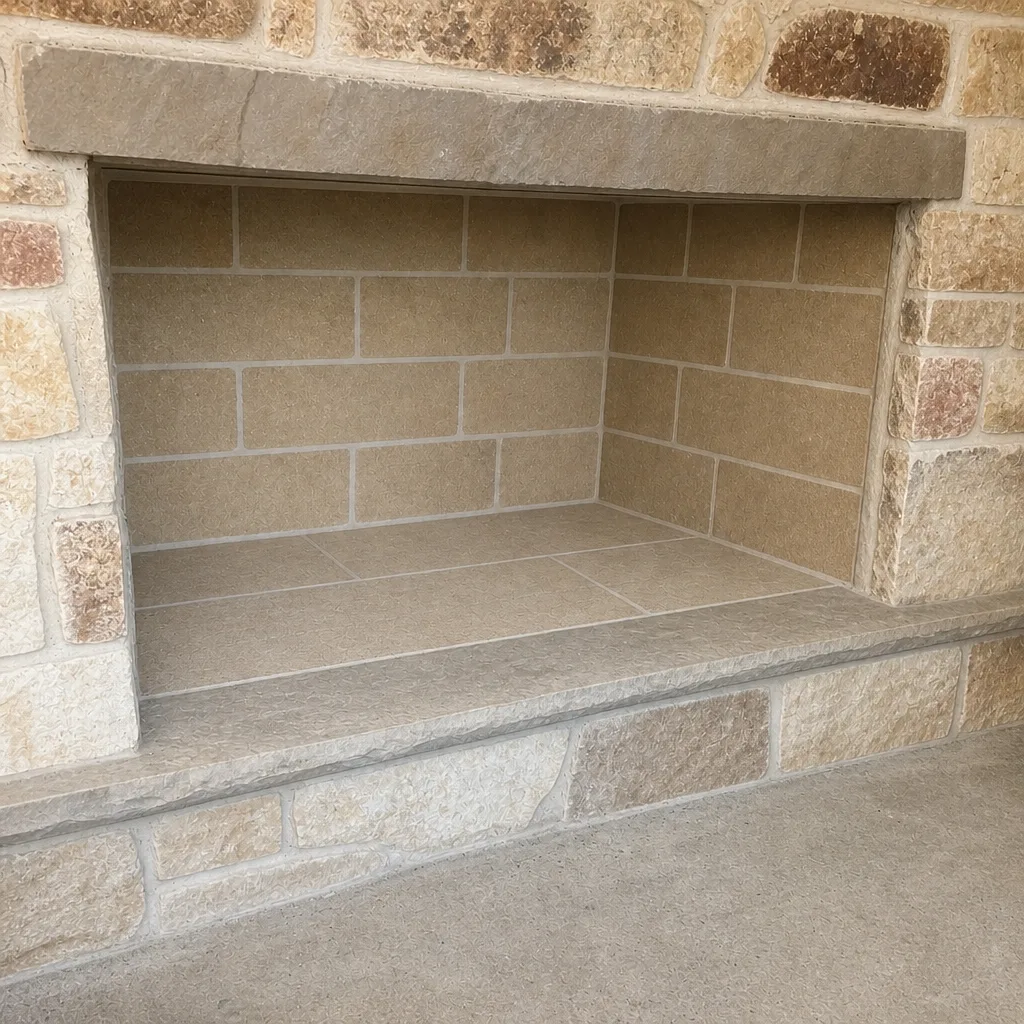
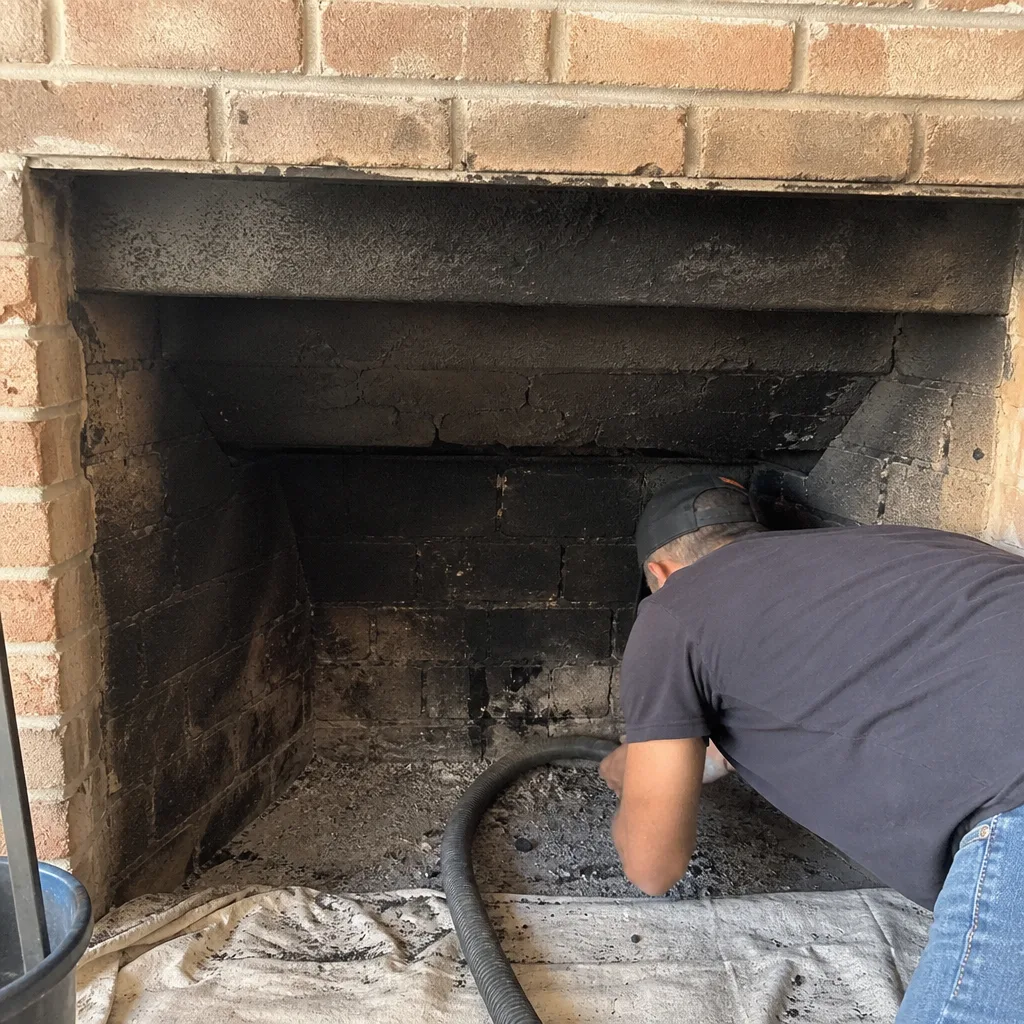
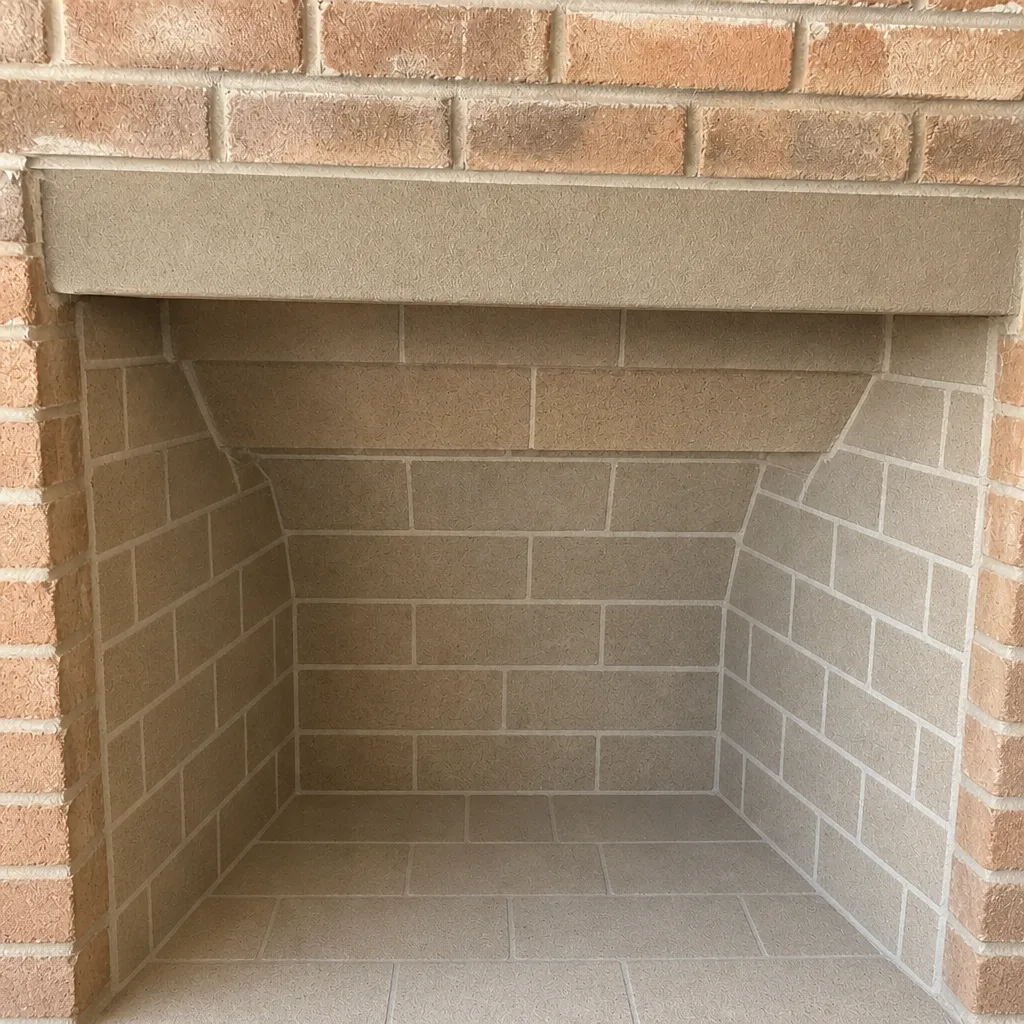
See the difference
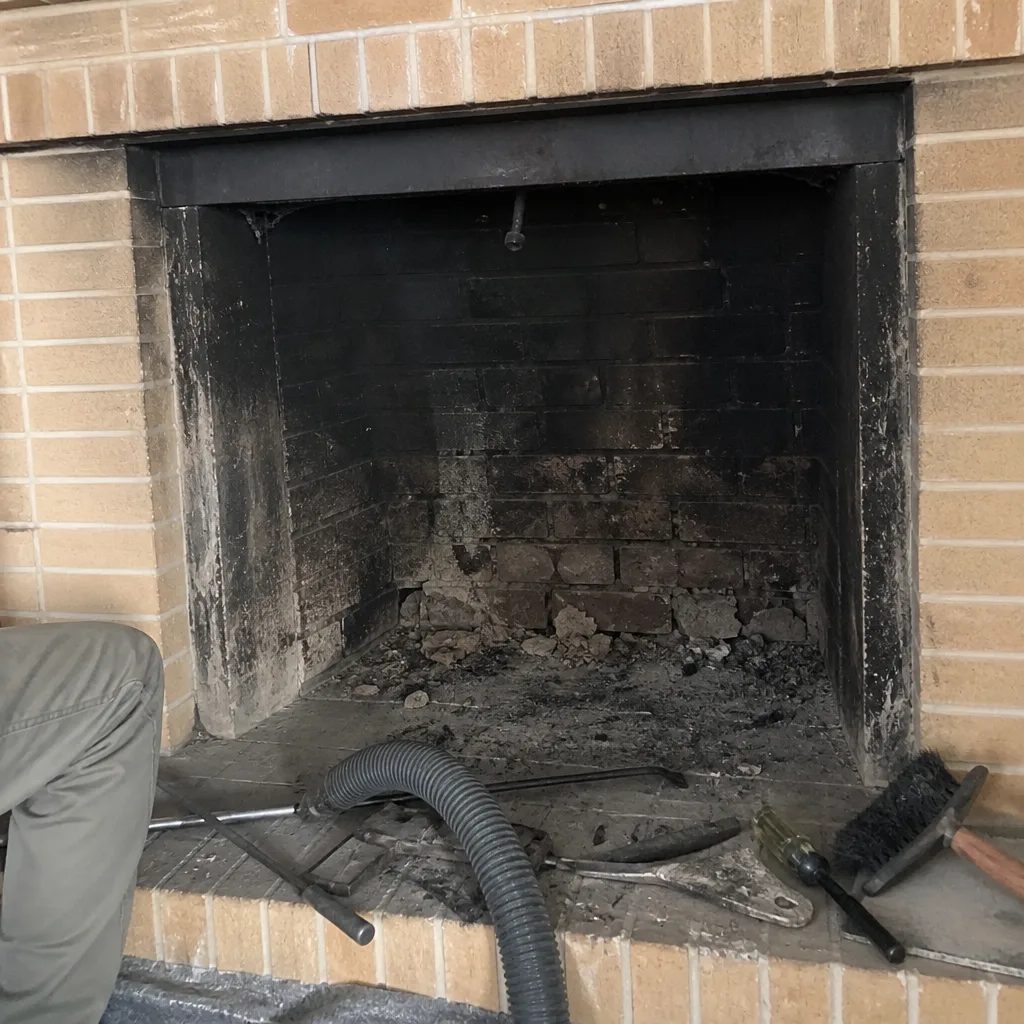 Before
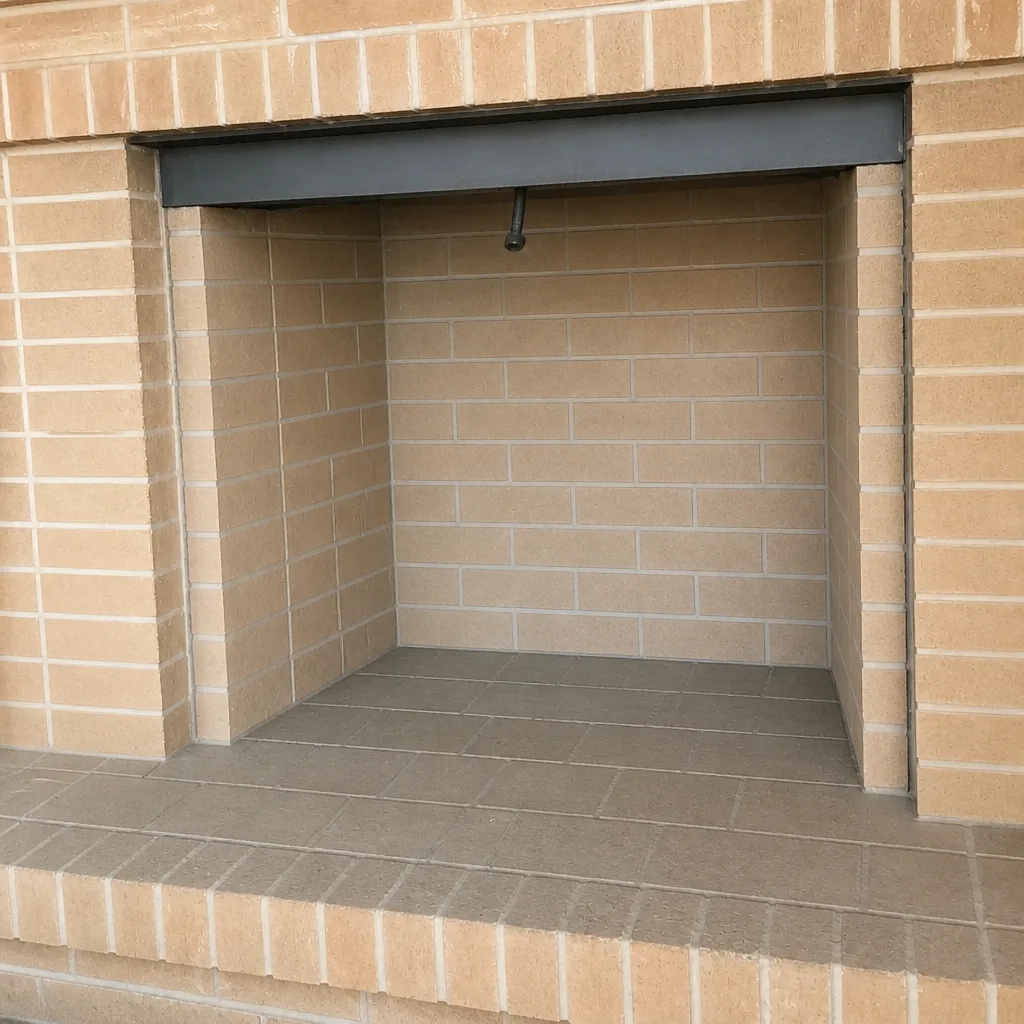 After
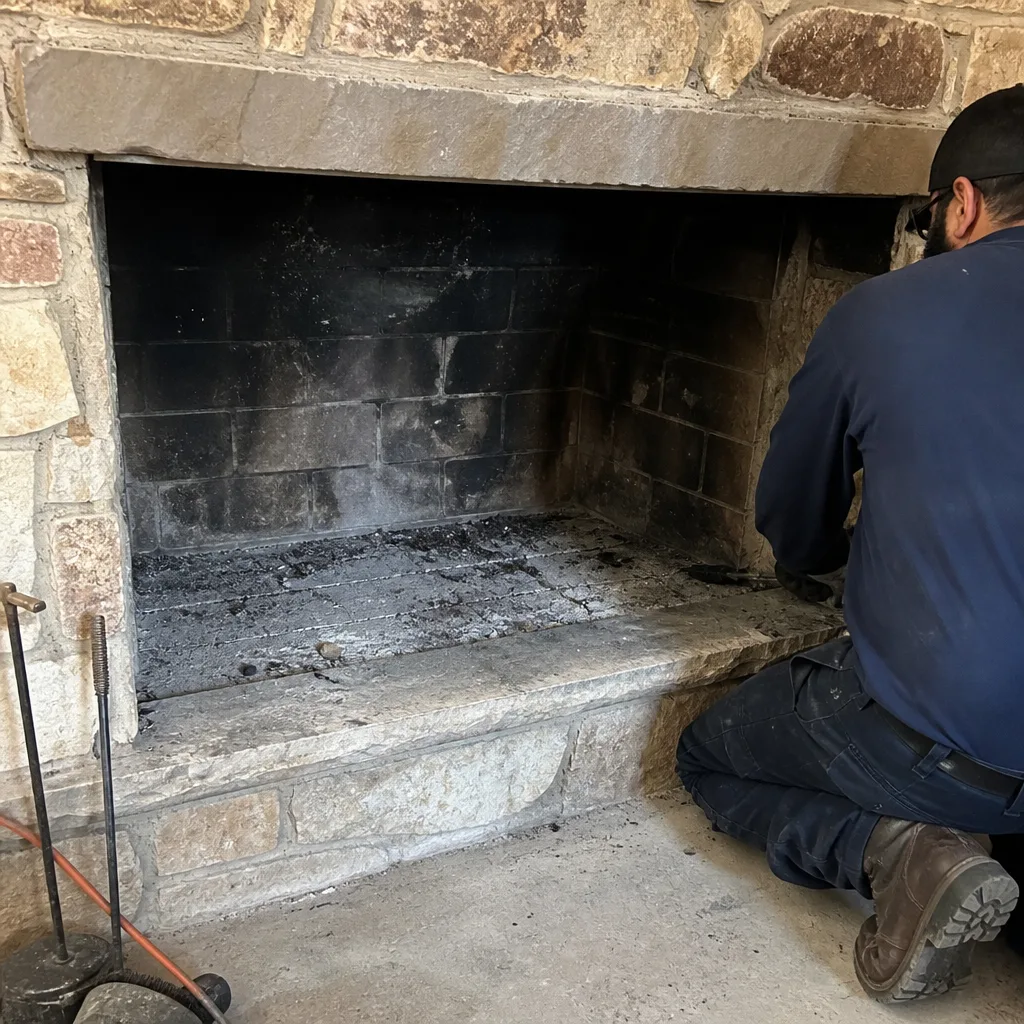 Before
 After
 Before
 After
When to Call a Professional
Call a professional when you notice smoke rolling back into the room, a new smell that wasn’t there last season, staining on the ceiling or wall near the chimney, or visible crumbling in the mortar. Call if your chimney hasn’t been swept in two or more seasons, because the creosote load in a neglected flue is a real fire risk. Call if a cap is missing or damaged, or if a storm has left debris in the firebox. And call before burning season, even if nothing seems wrong, because the whole point of the pre-season visit is to find problems you can’t see from the living room. Chimney Sweep Odessa offers free estimates in Odessa. Call (833) 486-7503. We answer 24/7. Fast dispatch from 7am to 7pm, Sunday through Friday.
Frequently Asked Questions
September is the best month in Odessa. Burning season starts in October, the August monsoon moisture has had time to dry by late September, and the schedule is still open. Booking in September means the flue is clean and inspected before the first fire. Call (833) 486-7503 for an exact quote; estimates are free.
A chimney should be swept at least once a year, plus an inspection. If you burn more than two cords of wood per season, a mid-season second sweep is a good idea. The exact interval depends on how much and how you burn. Call (833) 486-7503 for an exact quote; estimates are free.
Only if the inspection shows the liner is cracked or deteriorated. The camera inspection report shows you the evidence, and if the liner is sound, no liner work is recommended. If it does need relining, a DuraFlex liner system can often be installed during the repair visit. Call (833) 486-7503 for an exact quote; estimates are free.
Creosote builds up in the flue, and creosote is what fuels a chimney fire. A blocked or restricted flue also raises carbon monoxide risk because exhaust can’t vent properly. Skipping a season is a safety question, not just a maintenance one. Call (833) 486-7503 for an exact quote; estimates are free.
You can look at it from the ground, but don’t climb on the roof to check it. Roof access is dangerous, and cap and crown inspection is a professional task. If you see visible damage from the ground, book an inspection.
A sweep clears creosote from the flue. An inspection uses a camera to assess the condition of the flue, liner, firebox, cap, and crown. Both matter, and in Odessa both belong on the pre-season schedule, with the inspection reading the conditions the sweep reveals.
The Bottom Line
The schedule that protects an Odessa chimney is a calendar, not a single annual appointment. Sweep in September, before burning season. Inspect the cap and crown in spring. Waterproof the masonry in early summer and let the August moisture dry. Sweep and check the liner again in early fall. Keep records of everything. If you burn more than two cords, add a mid-season second sweep. A single sweep is the minimum, and it’s the timing around that sweep that makes the difference. Chimney Sweep Odessa handles sweep, repair, and inspection as one connected process. Call (833) 486-7503 for a free estimate. We answer 24/7. Fast dispatch from 7am to 7pm, Sunday through Friday.
Written by the team at Chimney Sweep Odessa.