
Last updated November 15, 2026
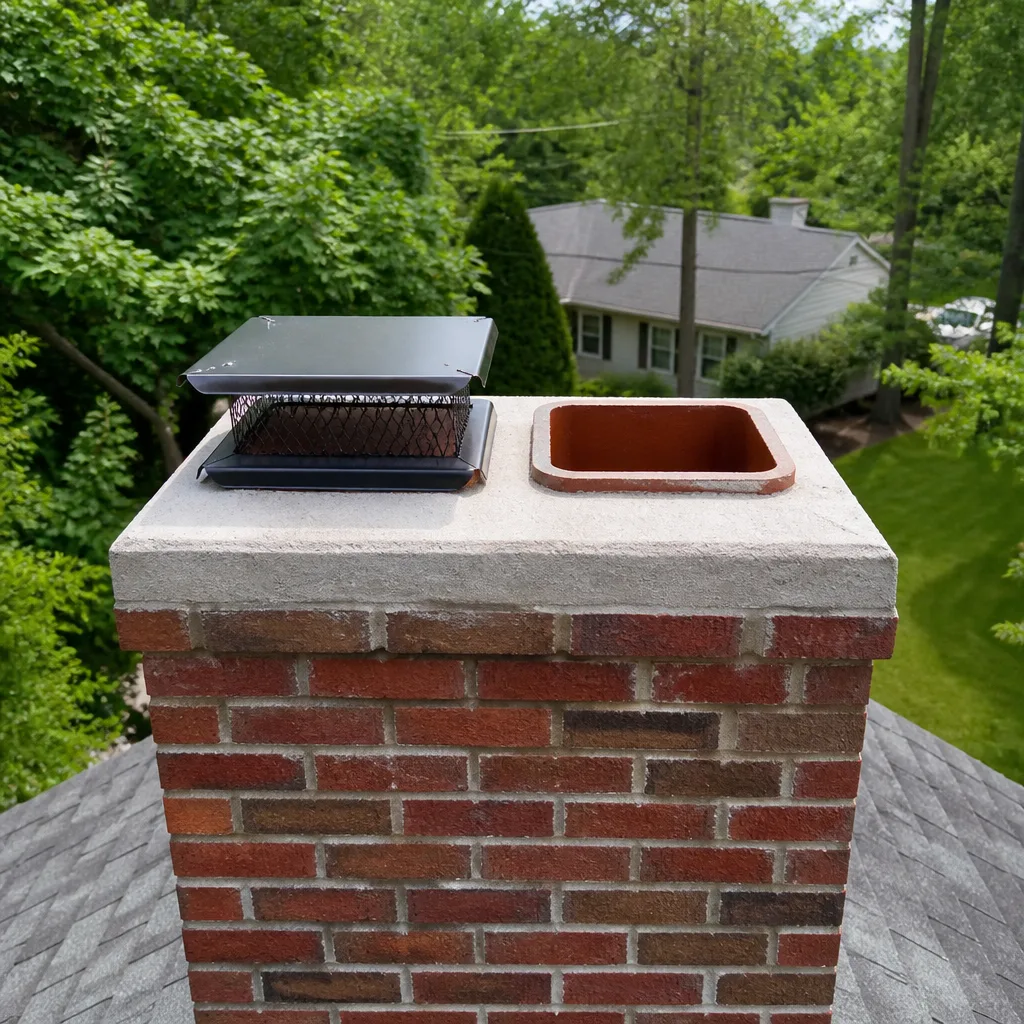 Sweep & inspection
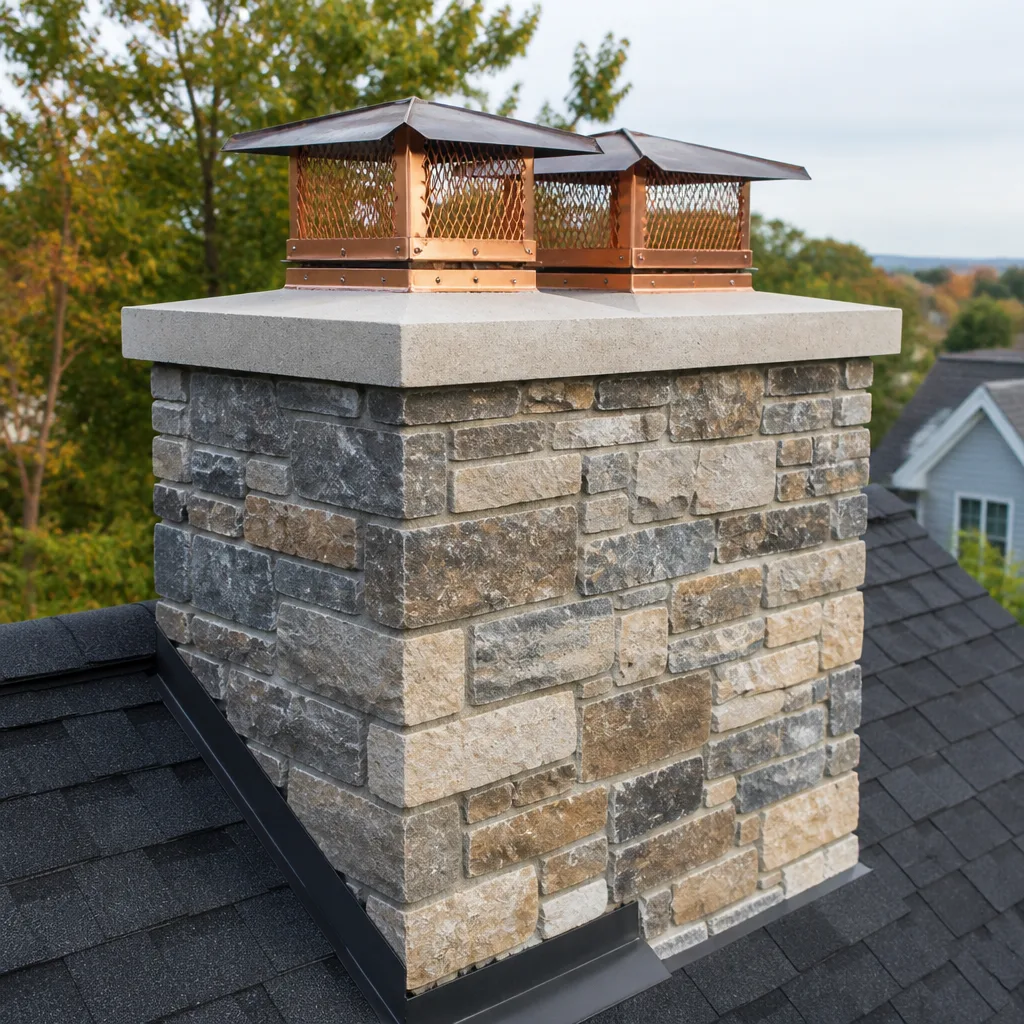 Caps & crowns
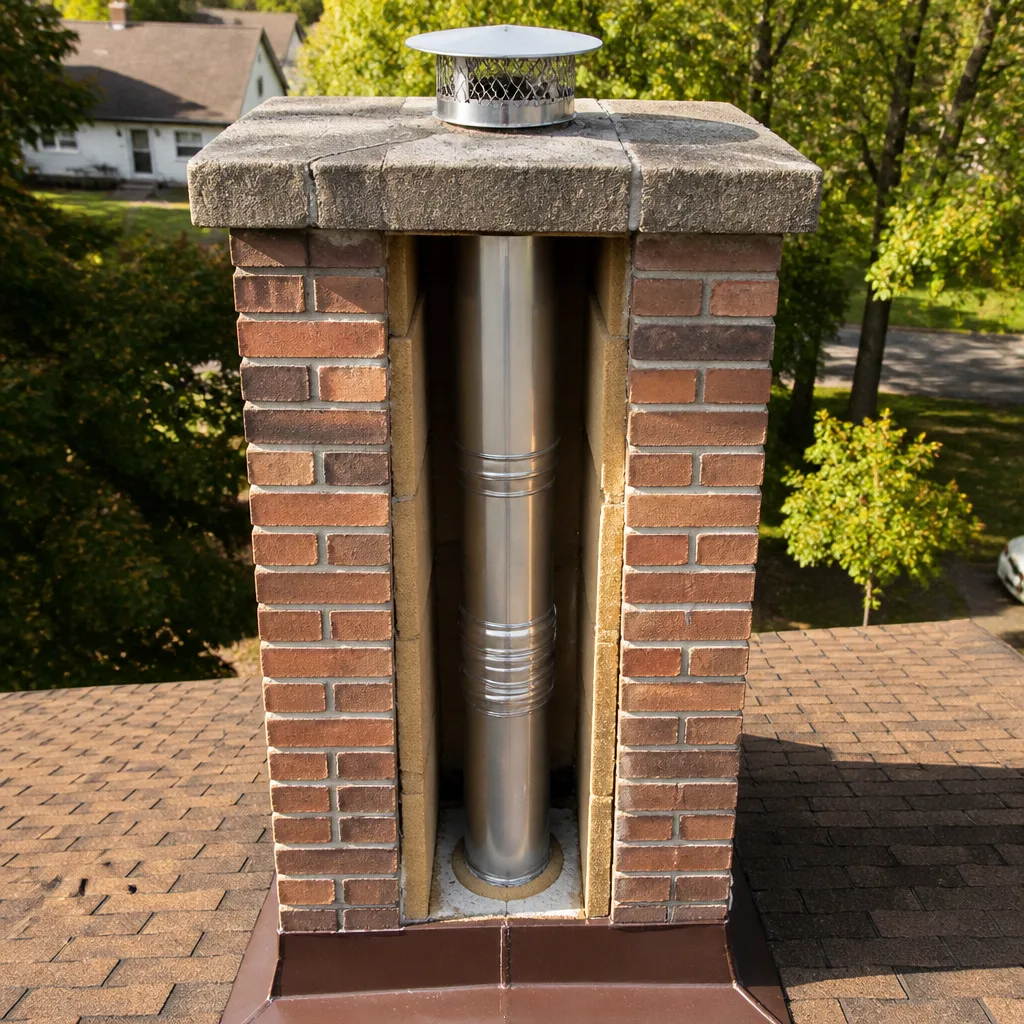 Flue relining
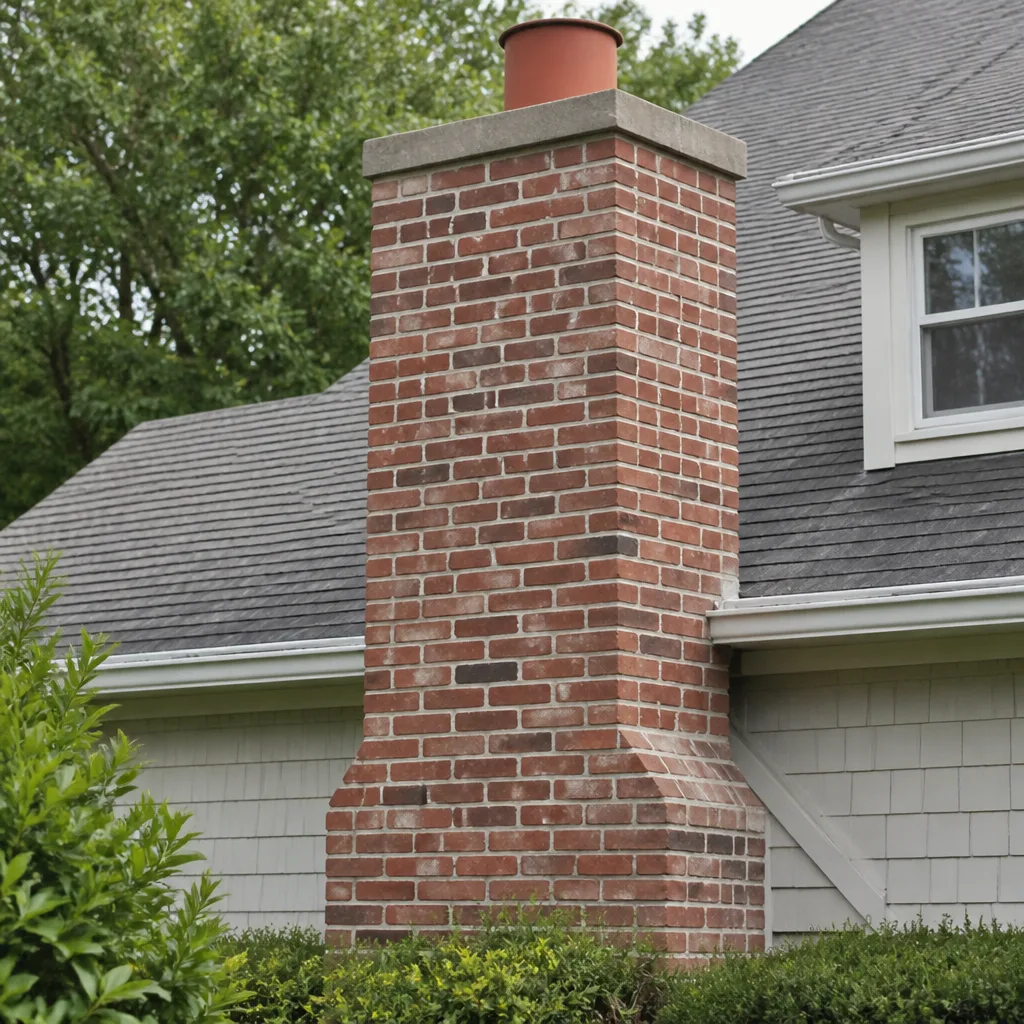 Masonry repair
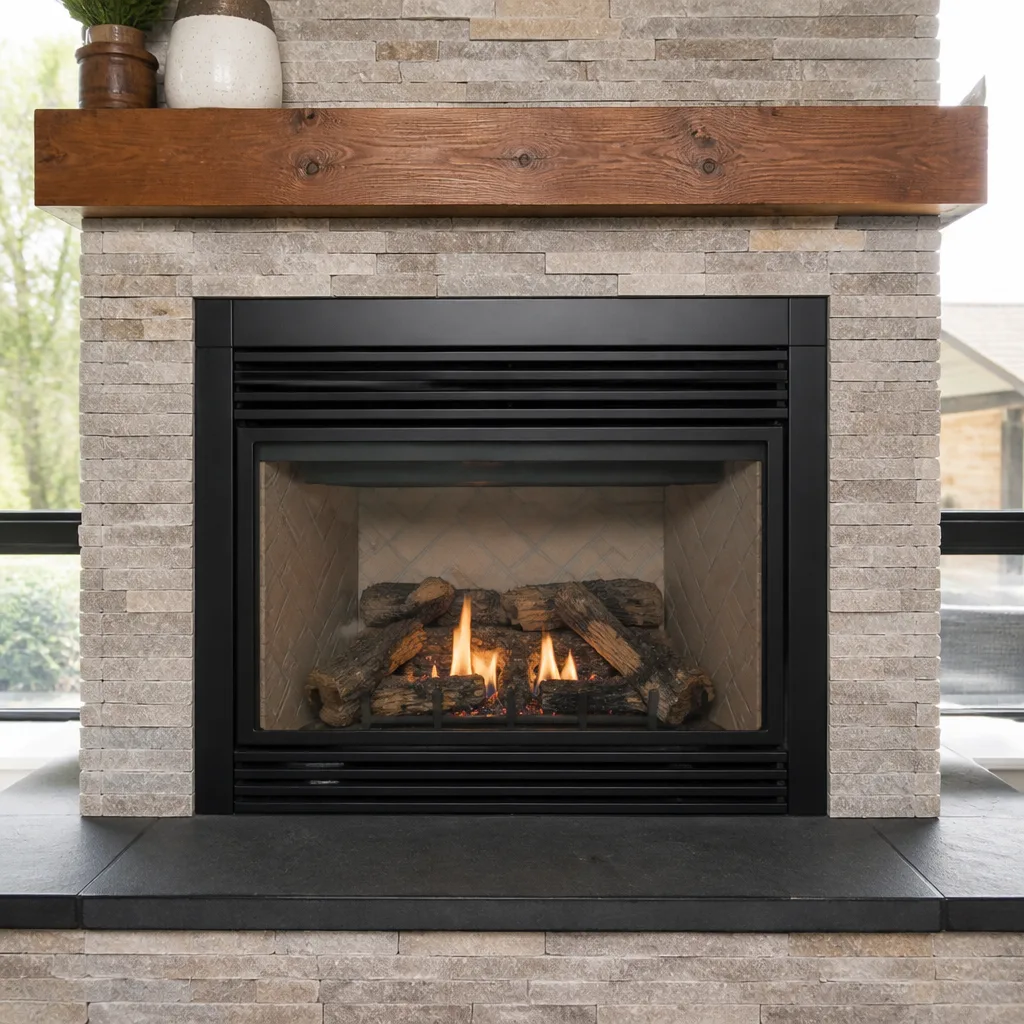 Gas fireplace service
Level 1 sweep and inspection to the NFPA 211 annual standard - flue, crown, cap, and flashing checked and photographed
Chimney sweep logs do not sweep chimneys. They loosen some creosote - which then falls where a brush and vacuum still have to collect it.
Choosing the Right Chimney Cleaning Brand: A Buyer’s Guide for Odessa
A chimney liner sold without a UL 1777 listing is not a chimney liner. It’s metal pipe that may look identical on the rack but has never been tested to withstand the thermal and chemical exposure of a live flue, and no reputable manufacturer will back it with a warranty. That single distinction separates professional-grade chimney products from hardware-store substitutes, and it’s the kind of thing most homeowners never get asked about. This guide maps the brand landscape for Odessa homeowners who want to ask better questions than “do you use quality materials?” and get answers they can verify.
Quick Answer
The right chimney cleaning brand is the one whose products are listed for the specific application, installed to the manufacturer’s specification, and backed by a written warranty. In Odessa, that means requiring UL 1777-listed stainless liner systems such as DuraFlex, ceramic resurfacing such as HeatShield for firebox damage, elastomeric crown sealants rated for thermal movement, and stainless or copper caps rather than galvanized. Brand names matter because they carry testing documentation you can ask to see.
Styles & brands we work with
- Sweep & inspection
- Caps & crowns
- Flue relining
- Masonry repair
- Gas fireplace service
Table of Contents
- Why Chimney Product Brands Matter More Than the Labor Quote
- Creosote Removal Products: Professional Treatments vs. Cleaning Logs
- Liner Systems: What UL 1777 Actually Requires
- Crown and Sealant Products: Why Flexibility Is the Spec That Matters
- HeatShield Ceramic Resurfacing: What It Fixes and What It Cannot
- Cap and Chase Cover Materials for Odessa’s Air
- Questions to Ask Any Chimney Contractor
- Common Mistakes to Avoid
- When to Call a Professional
Why Chimney Product Brands Matter More Than the Labor Quote
Two contractors can quote the same job and install products with wildly different service lives. The labor looks identical in both proposals. What differs is what goes into the flue, onto the crown, and over the top of the chase, and that’s where the real cost of a cheap job shows up years later. We’ve seen this play out across Odessa, where the swing between a 40-degree January morning and a 105-degree July afternoon puts constant thermal stress on every exterior component of a chimney.
Professional-grade materials fall into a few functional categories, each with its own brand landscape:
- Liner systems – the flue’s structural and thermal barrier, where DuraFlex and Olympia Chimney systems are specified for residential relining.
- Ceramic resurfacing – HeatShield products restore damaged firebox and flue surfaces rather than rebuilding them.
- Caps and chase covers – Gelco, Famco, and Copperfield fabricate the hardware that keeps water and wildlife out of the system.
- Crown sealants – elastomeric products that flex with thermal movement instead of cracking like rigid mortar.
- Chemical creosote treatments – professional-grade removers that modify deposits so they can be swept, not retail cleaning logs.
A contractor who can name their suppliers and show you the listing documentation is telling you something concrete. A contractor who says “we use the good stuff” is asking you to take it on faith, and faith doesn’t hold up when a liner fails. The point of this guide isn’t to sell you a brand. It’s to give you enough vocabulary to tell a specifications conversation from a sales pitch. If you want the full picture of what a proper chimney sweep visit involves, that’s a useful companion read.
Creosote Removal Products: Professional Treatments vs. Cleaning Logs
Retail “cleaning logs” are not a substitute for sweeping, and professional-grade chemical treatments are not the same product in a different box. The distinction matters most when deposits have moved past Stage 1. Stage 1 creosote is light soot you can brush away. Stage 2 is a flaky, crusted layer that adheres to the flue wall. Stage 3 is glazed, hardened, and the point at which a chimney fire risk becomes serious. No log you burn in the fireplace removes Stage 3 deposits, and only mechanical sweeping plus professional chemical treatment addresses Stage 2 reliably.
Here’s how a professional treatment sequence typically works:
- Inspection first. A camera inspection establishes what stage of creosote is present and where. Nothing gets applied blind.
- Chemical application. Professional-grade removers such as Rutland’s treatment line are applied to convert hardened deposits into a brushable condition.
- Dwell time. The product needs time to act on the deposit, which is why treatment and sweep are usually separated by a period of days rather than done in one pass.
- Sweep. The converted deposit is removed with the appropriate brush type for the flue’s material and shape.
- Re-inspection. A photo report confirms the flue is clean and whether any damage was exposed underneath.
In Odessa, wood-burning habits vary a lot. Some households burn hardwood through the short winter and generate moderate soot; others burn whatever’s available and generate heavier deposits faster. The treatment plan should follow what the camera sees, not a calendar. If a contractor recommends a chemical treatment without showing you the deposit they’re treating, ask to see it. A chimney repair recommendation built on an unverified claim is the exact scenario this guide exists to help you avoid.
Liner Systems: What UL 1777 Actually Requires
UL 1777 is the standard a factory-built chimney liner must pass to be listed for use in a solid-fuel appliance flue. It tests the liner against high temperatures, thermal cycling, and exposure to the corrosive byproducts of combustion. A flexible stainless liner that carries the listing has been through that testing; an uncertified flex pipe has not, even when it looks the same coming off the coil.
Liner systems split into two broad families:
- Rigid stainless sections – best suited to straight flues with room to work, and preferred where the appliance needs a specific diameter that rigid pipe can deliver without reducing draft.
- Flexible stainless systems – required for offset flues, flues with a bend, or older masonry chimneys where a rigid run can’t be routed. DuraFlex and Olympia Chimney both manufacture flexible systems engineered for relining masonry chimneys.
The spec that decides which system you need isn’t preference, it’s geometry and appliance output. A wood stove needs the flue sized to its exhaust volume; too large a liner cools the smoke and encourages creosote, too small a liner chokes the draft. A properly sized, listed liner improves draft and reduces creosote adhesion, which is the functional reason to insist on it rather than a sales talking point.
What should you require in writing?
- The manufacturer’s name and the specific product line, not just “stainless liner.”
- Confirmation the system carries a UL 1777 listing.
- The liner diameter and how it was calculated for your appliance.
- Whether insulation wrap is included, and why or why not for your flue.
- The manufacturer’s warranty terms, in writing.
Our technicians have up to 12 years of experience working with these systems, and we keep DuraFlex liner systems available on repair calls so a reline can be completed in the same visit rather than scheduled as a separate job. That’s a scheduling advantage, not a shortcut: the diagnosis still comes first. If you’re looking at a full Chimney Sweep Odessa assessment, ask specifically what liner family the contractor works with.
Crown and Sealant Products: Why Flexibility Is the Spec That Matters
A chimney crown’s job is to shed water off the top of the chimney and away from the flue. Rigid mortar crowns crack when the chimney moves thermally, and in Odessa the top of a chimney can swing through a wide temperature range in a single day. That’s why elastomeric crown sealants outperform masonry paint by a wide margin: they flex with the movement instead of resisting it. Chimney RX and comparable elastomeric products are formulated to bridge hairline cracks and stay bonded through thermal cycling, while ordinary masonry paint cracks along with the mortar beneath it.
What a proper crown specification includes:
- A flexible elastomeric membrane over the crown surface, not a paint or a thin parge coat.
- Correct slope so water runs off rather than pooling at the flue.
- A bond break at the flue so the crown and flue can move independently without tearing the seal.
- Compatible caulk at the crown-to-flashings joint, rated for exterior masonry and thermal movement.
The same logic applies at the flashing where the chimney meets the roof. Water intrusion at that joint is one of the most common reasons a chimney “leaks” and gets misdiagnosed as a flue problem. Before anyone quotes masonry work, they should confirm where the water is actually entering. A camera inspection and a photo report make that verifiable instead of a guess. Surface sealants hide nothing if you look at the evidence first; if you’re comparing local providers, the guide to Odessa chimney services covers how to evaluate one.
HeatShield Ceramic Resurfacing: What It Fixes and What It Cannot
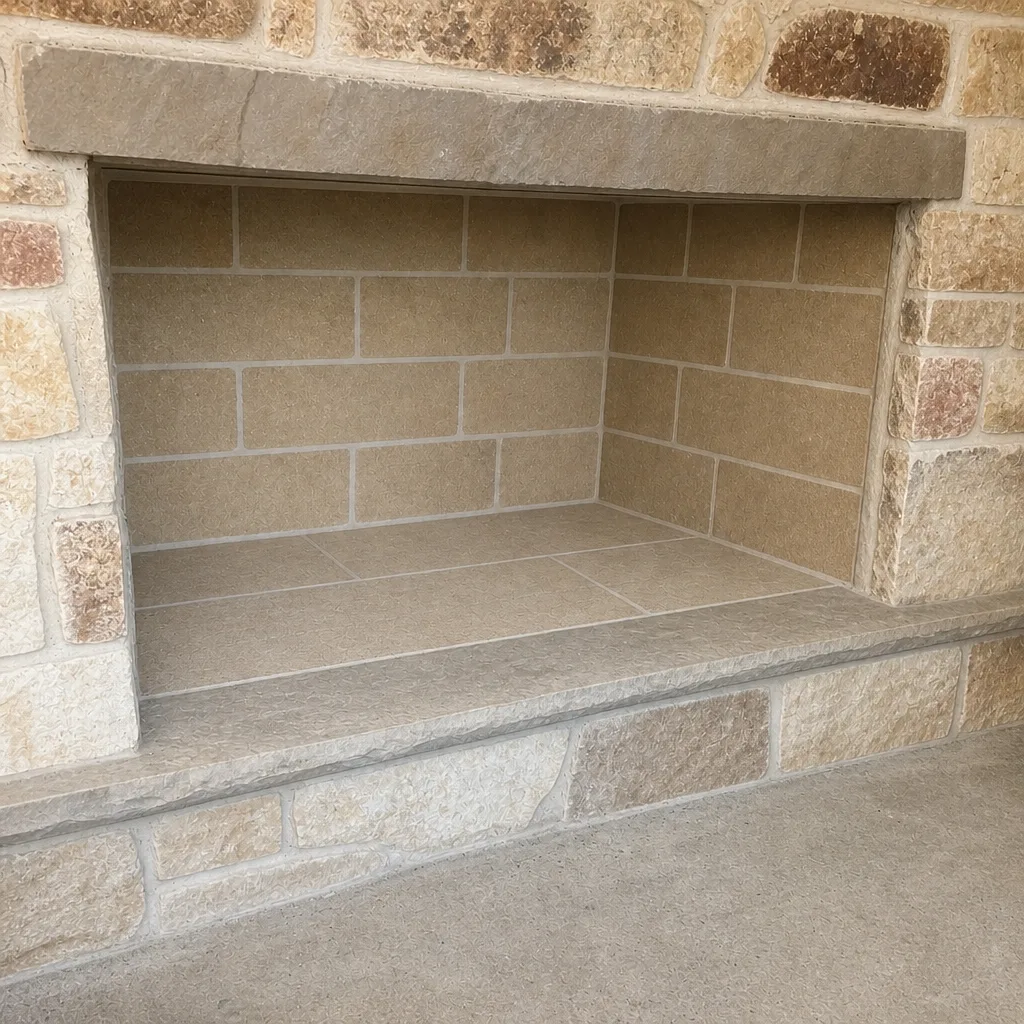
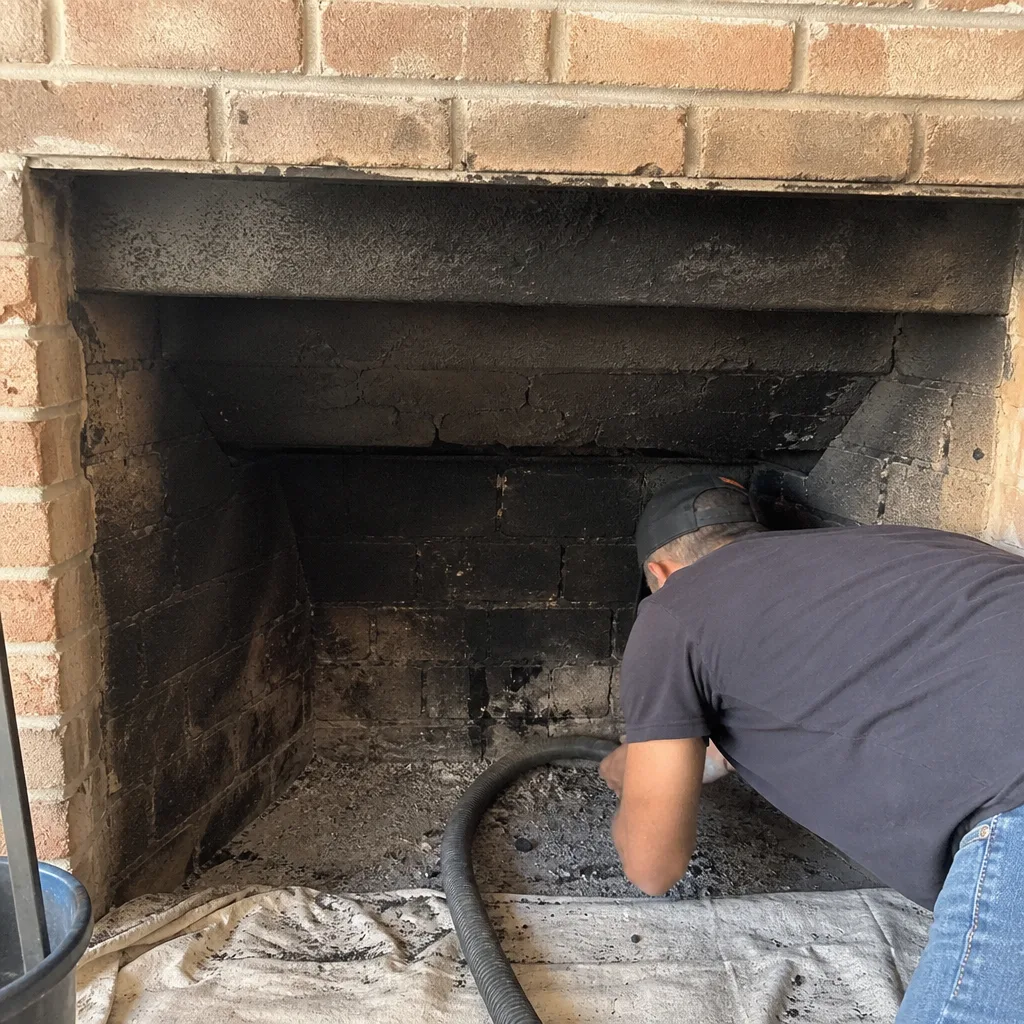
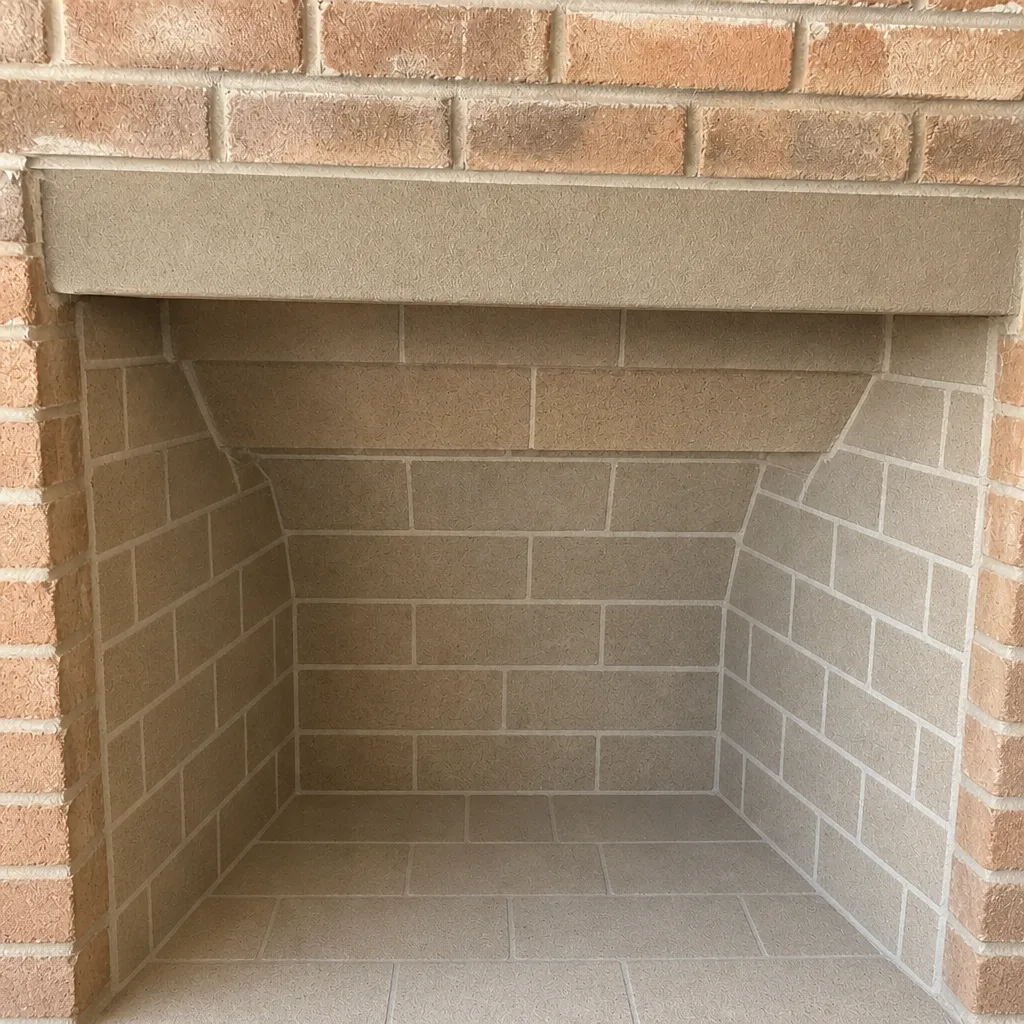
HeatShield is a ceramic-based resurfacing system applied to the interior of a firebox or flue to restore a damaged surface without rebuilding the masonry. It corrects a specific damage profile: spalled or eroded mortar joints in the firebox, a firebox floor that has cracked or deteriorated, and flue interiors with surface damage that hasn’t compromised the structural integrity of the chimney itself.
The sequence for a HeatShield application runs roughly as follows:
- Inspection and measurement of the firebox and flue to determine whether the damage is within resurfacing scope.
- Surface preparation to remove loose material so the ceramic product bonds to sound substrate.
- Application of the ceramic resurfacer in layers to the specified thickness.
- Curing to the manufacturer’s schedule before the appliance is used.
- Verification that the restored surface meets the spec and the flue is ready for service.
What HeatShield cannot fix is just as important. It doesn’t correct a chimney with structural movement, missing mortar through the full depth of the joint, or a firebox that has separated from the surrounding masonry. It doesn’t replace a liner that has failed, and it doesn’t repair a chimney crown. A contractor who recommends HeatShield for structural damage is either misinformed or overselling. Ask specifically what damage the resurfacing is meant to correct, and ask to see the photo evidence before and after. That’s the accountability standard, and it’s one reason we keep HeatShield capability in-house: a sweep-only company can’t perform the work and may default to recommending a rebuild instead.
Cap and Chase Cover Materials for Odessa’s Air
Galvanized caps are the default because they’re cheap, and in Odessa they’re a poor long-term choice. The region’s air carries sulfur compounds from the oil and gas industry, and sulfur accelerates corrosion on zinc coatings. A galvanized cap can look fine for a couple of seasons and then begin to pit and fail at the seams. Once a cap fails, water gets into the flue and wildlife finds an entry point, and you’re back to calling someone about a “chimney leak” that started at the top.
The materials worth requiring, in order of service life:
- Stainless steel – the practical baseline for Odessa. Gelco and Copperfield both fabricate stainless caps and chase covers sized to the flue and chase dimensions.
- Copper – longer service life and a stable patina, with a higher upfront cost. Copperfield’s copper fabrication is the specification to ask about if you want the cap to outlast the chimney’s other components.
- Famco multi-flue and custom caps – where the chase has more than one flue or a non-standard footprint and a stock cap won’t seal properly.
The spec details that matter more than the metal choice: the cap must be sized to the flue opening with proper spark screening, the chase cover must be sloped to drain, and the fasteners must be stainless so the cap doesn’t loosen as the galvanized screws corrode. Ask what gauge the steel is and whether the fasteners are stainless. A contractor who can answer those two questions has specified the product, not grabbed one off a shelf.
Questions to Ask Any Chimney Contractor
These are the questions that separate a specifications conversation from a sales pitch. Ask them before booking, and listen for whether the answers are specific.
- “What brand of liner do you install, and is it UL 1777 listed?” A contractor who works with DuraFlex or Olympia Chimney systems will answer immediately. “We use a good stainless liner” is not an answer.
- “Will I see a camera inspection and a photo report before any work is recommended?” The inspection should come first, and the evidence should be yours to review.
- “What damage is this repair meant to correct, and can I see it?” Any recommendation should point to something visible in the photos.
- “Can this work safely wait, or is it a safety issue now?” A straight answer to this question tells you whether you’re being sold or advised.
- “What’s the cap and chase cover material, and are the fasteners stainless?” The answer reveals whether the contractor specifies hardware or installs the default.
- “What’s the written warranty on the product and the installation?” Product warranty and labor warranty are separate, and both should be in writing.
- “Can you handle sweep, repair, and inspection under one company?” Coordinating three contractors for one chimney system is a recipe for finger-pointing when something fails.
If a contractor can’t answer these, that’s useful information. It doesn’t mean they’re dishonest; it may mean they’re a generalist who does chimneys on the side. Either way, you now know what you’re dealing with.
Common Mistakes to Avoid
- Accepting “we use quality materials” without a brand name. Quality is a claim; a product line and a listing are facts. Ask for both before you book.
- Burning a cleaning log and calling it a sweep. Stage 2 and Stage 3 deposits need mechanical sweeping and, where required, professional chemical treatment. A retail log doesn’t remove either.
- Approving a liner replacement without a camera inspection. The liner may be fine, and the problem may be at the crown or flashing. Evidence first, quote second.
- Letting a contractor paint a cracked crown instead of sealing it properly. Masonry paint cracks with the mortar beneath it. Elastomeric sealant is the specification that flexes with Odessa’s thermal swings.
- Replacing a galvanized cap with another galvanized cap. The sulfur compounds in the local air will pit the coating again. The second replacement should be stainless or copper.
- Approving HeatShield for structural damage. Ceramic resurfacing corrects surface damage. It doesn’t repair a firebox that has separated from the masonry, and you shouldn’t pay for it to try.
- Hiring three contractors for one chimney. Sweep, repair, and inspection done by different companies means no one owns the whole system. A single-company scope keeps accountability in one place.
When to Call a Professional
Call a professional when any of these apply: you’ve never had the chimney inspected and you burn wood regularly; you see creosote buildup past a thin soot layer; you notice water staining on the ceiling near the chimney or rust on the firebox; the cap is loose, missing, or visibly corroded; the fireplace smells strongly of smoke on mild days; or a prior sweep flagged something and you never followed up. Chimney fires and carbon monoxide exposure are the two risks that make these symptoms worth acting on, and neither is something to diagnose from the living room. We answer 24/7, and Chimney Sweep Odessa offers free estimates in Odessa. Call (833) 486-7503. Fast dispatch, 7am-7pm, Sunday through Friday.
See the difference
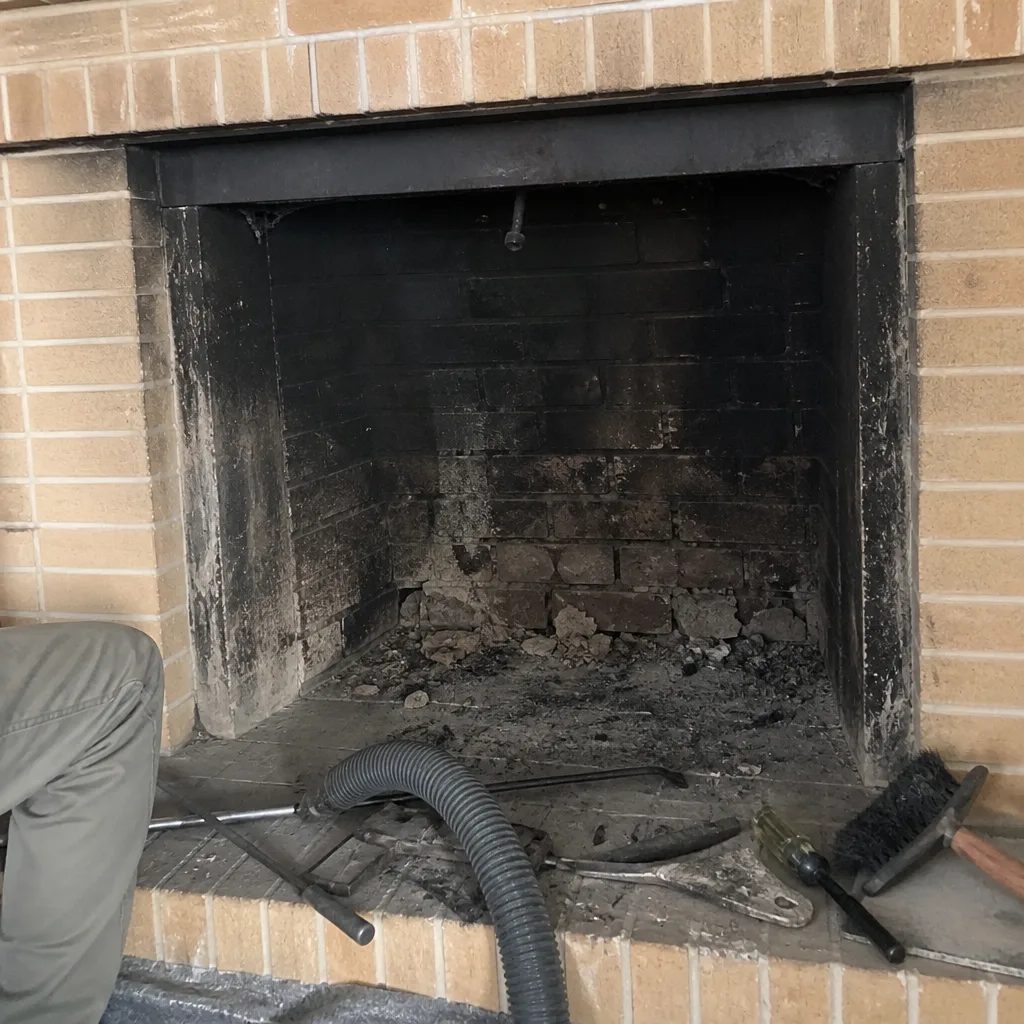 Before
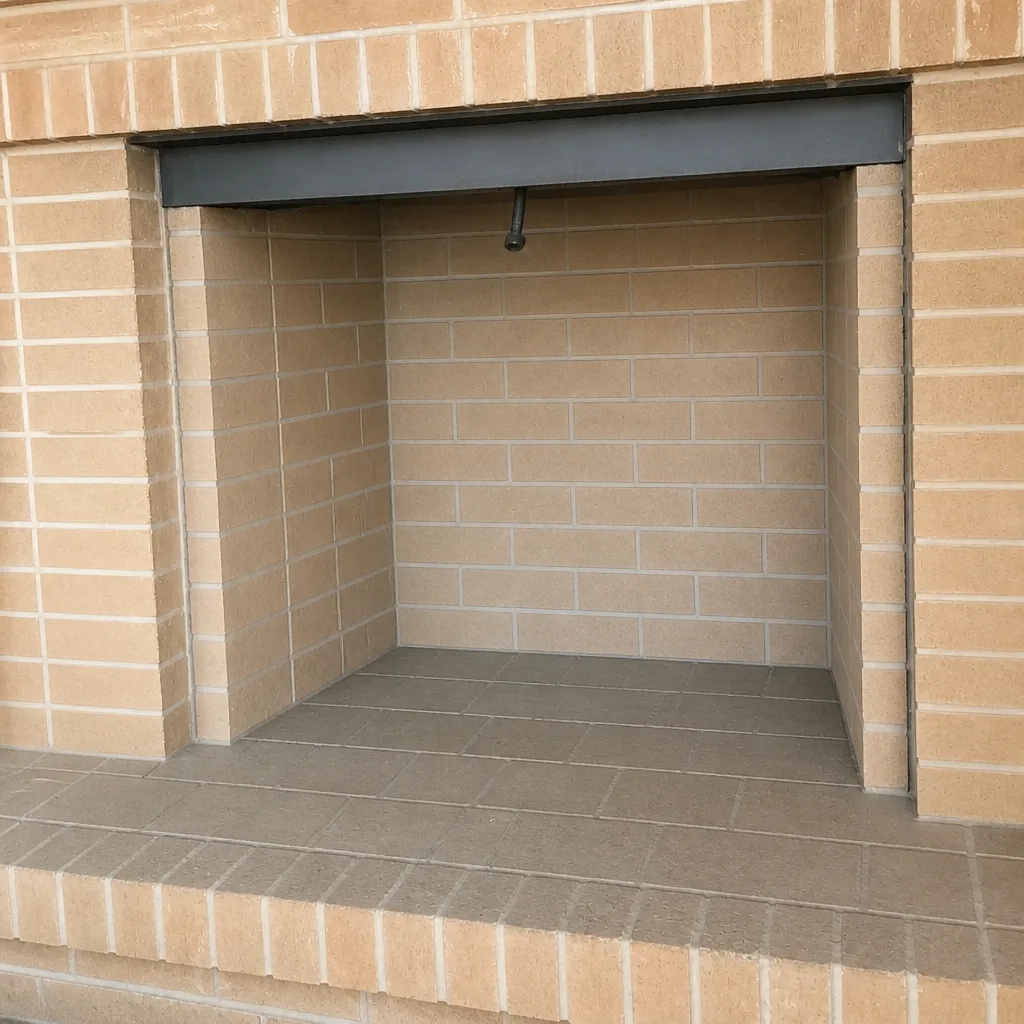 After
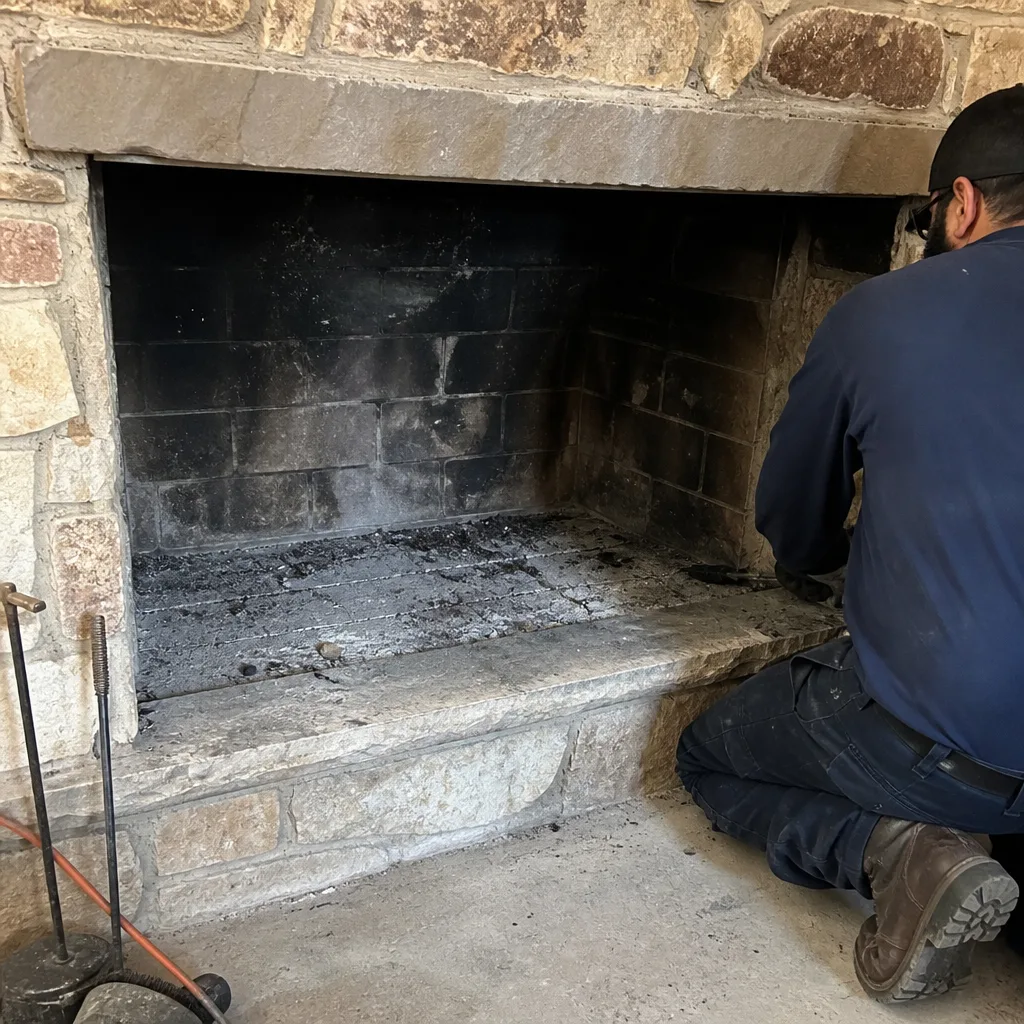 Before
 After
 Before
 After
Frequently Asked Questions
The names worth knowing are DuraFlex and Olympia Chimney for liner systems, HeatShield for ceramic resurfacing, Gelco, Famco, and Copperfield for caps and chase covers, and Rutland for professional-grade chemical creosote treatments. What matters more than the name is that the product is listed for the application and the contractor can show you the listing and warranty documentation. We work with six professional chimney supply brands for exactly this reason: the specification should be verifiable, not a claim.
It’s the weakest choice for this area because the local air carries sulfur compounds that accelerate corrosion on zinc-coated steel. A galvanized cap will typically corrode at the seams well before a stainless or copper cap would, and once it fails, water and wildlife get into the flue. Ask for stainless or copper, and ask whether the fasteners are stainless too. Call (833) 486-7503 for an exact quote on a replacement cap.
HeatShield is a ceramic resurfacing system that restores a damaged firebox or flue interior without rebuilding the masonry, and it’s appropriate when the damage is to the surface rather than the structure. A masonry rebuild is required when the chimney has structural movement, full-depth mortar loss, or a firebox that has separated from the surrounding masonry. Ceramic resurfacing cannot correct structural damage, and a contractor who recommends it for that is overselling. The distinction is visible in the inspection photos, so ask to see them.
Elastomeric crown sealants flex with thermal movement; masonry paint doesn’t. Odessa’s wide swings between winter mornings and summer afternoons cause the chimney top to expand and contract, and a rigid coating cracks along with the mortar beneath it. A flexible membrane bridges hairline cracks and stays bonded. The specification to ask for is a flexible elastomeric product such as Chimney RX or an equivalent, applied with correct slope and a bond break at the flue.
A UL 1777 listing means the liner has been tested to withstand the thermal and chemical exposure of a live solid-fuel flue; uncertified flex pipe has not, even when it looks the same. No reputable manufacturer will back an unlisted liner with a warranty, and no reputable contractor should install one. Ask for the manufacturer’s name, the product line, and confirmation of the listing in writing. Call (833) 486-7503 for an exact quote on a listed liner system.
Yes, and it’s the better arrangement. When a single company performs all three, accountability stays with one contractor; when three companies touch one chimney system, finger-pointing is the predictable outcome if something fails. Chimney Sweep Odessa does all three in-house, and keeping HeatShield and DuraFlex capability available means a repair can often be completed in the same visit as the diagnosis. Call (833) 486-7503 for a free estimate.
The Bottom Line
The products a chimney contractor installs matter as much as the labor, and brand names are how you verify the difference. A UL 1777-listed DuraFlex or Olympia Chimney liner, a HeatShield ceramic restoration scoped honestly to surface damage, an elastomeric crown sealant that flexes with Odessa’s thermal swings, and a stainless or copper cap that survives the local air are all specifications you can ask about and hold a contractor to. None of them are the cheapest choice, and that’s the point. Knowing the names gives you leverage; asking for the documentation gives you a warranty that holds up. The written estimate sets the final price, and the photo report lets you see what you’re paying for.
Call (833) 486-7503 for a free estimate. We answer 24/7. Fast dispatch from 7am to 7pm, Sunday through Friday.
Written by the team at Chimney Sweep Odessa.