
Last updated November 15, 2026
 Sweep & inspection
 Caps & crowns
 Flue relining
 Masonry repair
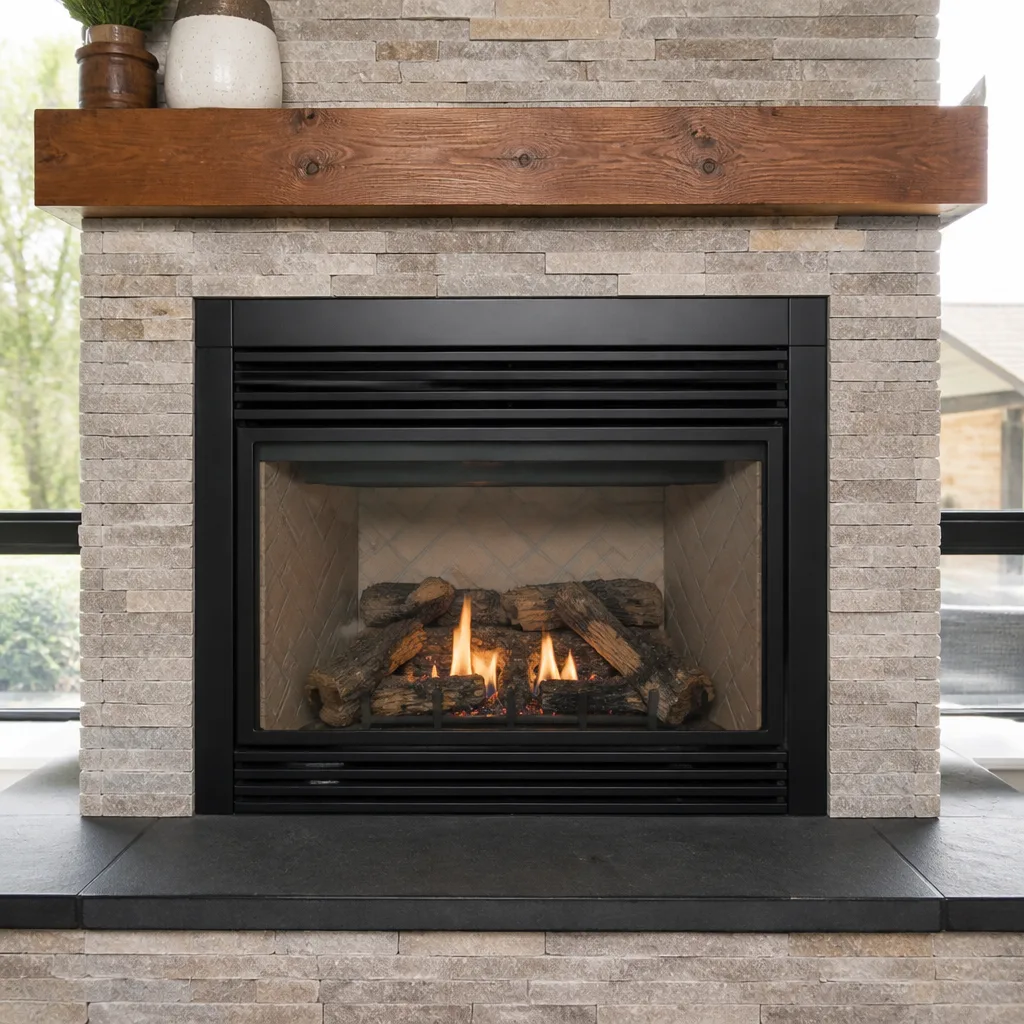 Gas fireplace service
Level 1 sweep and inspection to the NFPA 211 annual standard - flue, crown, cap, and flashing checked and photographed
Chimney sweep logs do not sweep chimneys. They loosen some creosote - which then falls where a brush and vacuum still have to collect it.
Seasonal Chimney Cleaning Care for Odessa: Year-Round Homeowner’s Guide
Most homeowners in Odessa treat the chimney like a seasonal appliance: light a fire in November, forget about it by March. That schedule misses the real damage. The worst wear on an Odessa chimney usually happens in July, when weeks of triple-digit heat bake the mortar and UV light breaks down the sealant on a cap nobody has looked at in years. By the time you notice a problem in December, it has been building since spring. This guide walks you through the four stress periods a West Texas chimney actually faces and tells you what to check, when to book a sweep, and when work can safely wait until next season.
Quick Answer
Chimney care in Odessa runs on a four-season cycle rather than a single fall cleaning: inspect the crown, mortar, and cap in early summer before the heat peaks, book your pre-season sweep in September or early October before the first cold front, watch for condensation-driven creosote during short winter burns, and check flashing and sealant in spring after months of temperature swings. A yearly sweep plus a camera inspection covers the interior; the exterior checks are what most homeowners skip and where most costly damage starts.
Styles & brands we work with
- Sweep & inspection
- Caps & crowns
- Flue relining
- Masonry repair
- Gas fireplace service
Table of Contents
- Summer in Odessa: Heat Stress on Mortar, Crowns, and Chase Covers
- Fall: Why Waiting Until November Is Too Late
- Winter Burns: How Short, Cold Fires Accelerate Creosote
- Spring: Moisture Checks and Flashing After Temperature Cycling
- Wind Events: The Year-Round Odessa Hazard
- A Month-by-Month Chimney Calendar
- What a Proper Inspection Actually Covers
- What Chimney Care Typically Involves and How Estimates Work
Summer in Odessa: Heat Stress on Mortar, Crowns, and Chase Covers
Summer is when an Odessa chimney takes its heaviest beating, and almost nobody is watching. Ambient temperatures that push past 105°F day after day do two things to masonry. First, they drive moisture out of mortar joints unevenly, and that repeated drying causes hairline cracking that widens over several summers. Second, ultraviolet light degrades the sealant around your chimney cap and chase cover, which is the exact barrier that keeps rainwater out of the flue.
A cracked crown or a failed cap seal is not dramatic on its own. The damage comes later, when the first fall rain gets into masonry that has been slowly opening up all summer. Water inside a chimney chase rusts the damper, spalls brick faces, and gets into the smoke chamber, which is why so many Odessa chimney repairs trace back to a September inspection that found something a July check would have caught.
Here is what’s worth looking at before the heat peaks, in order:
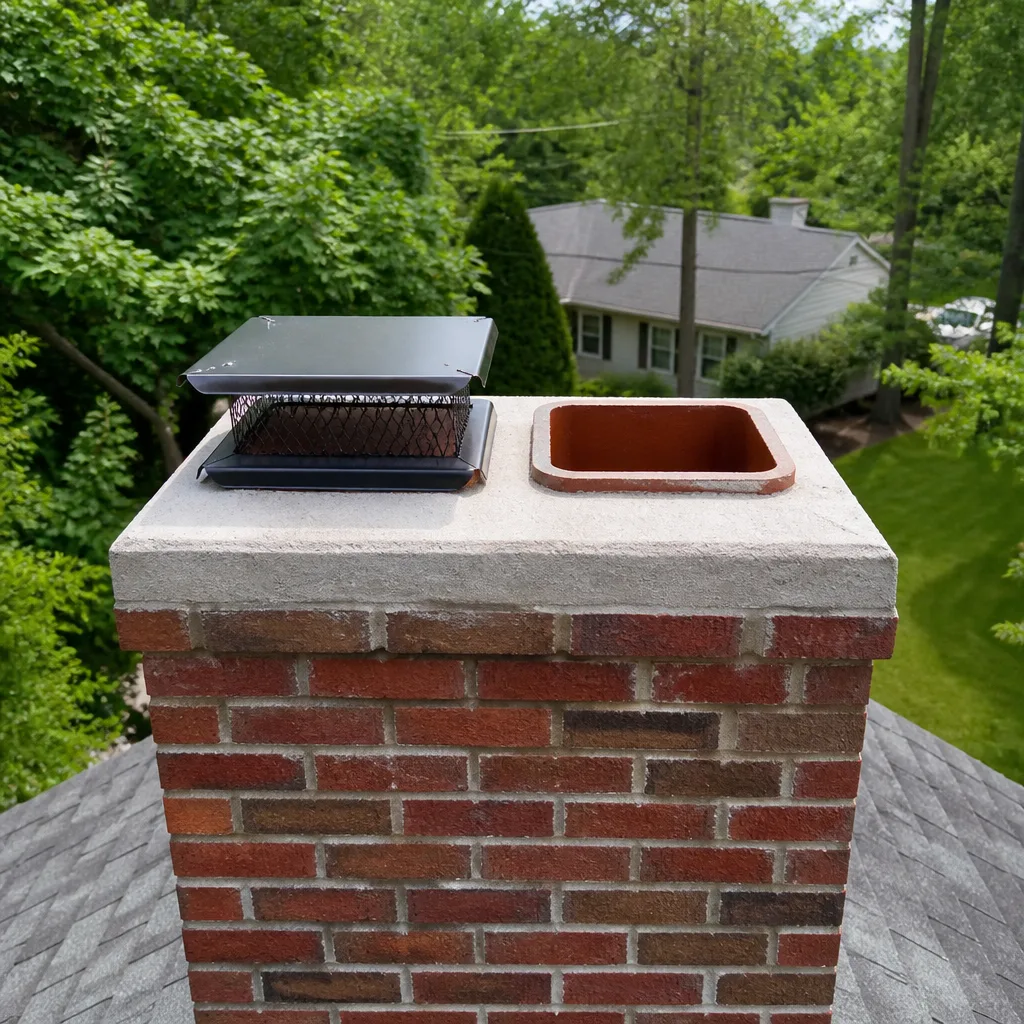
- The crown. That is the sloped concrete or mortar cap at the very top. Look for cracks wider than a hairline, crumbling edges, or a crown that has pulled away from the flue tile. A failing crown routes water straight into the chimney body.
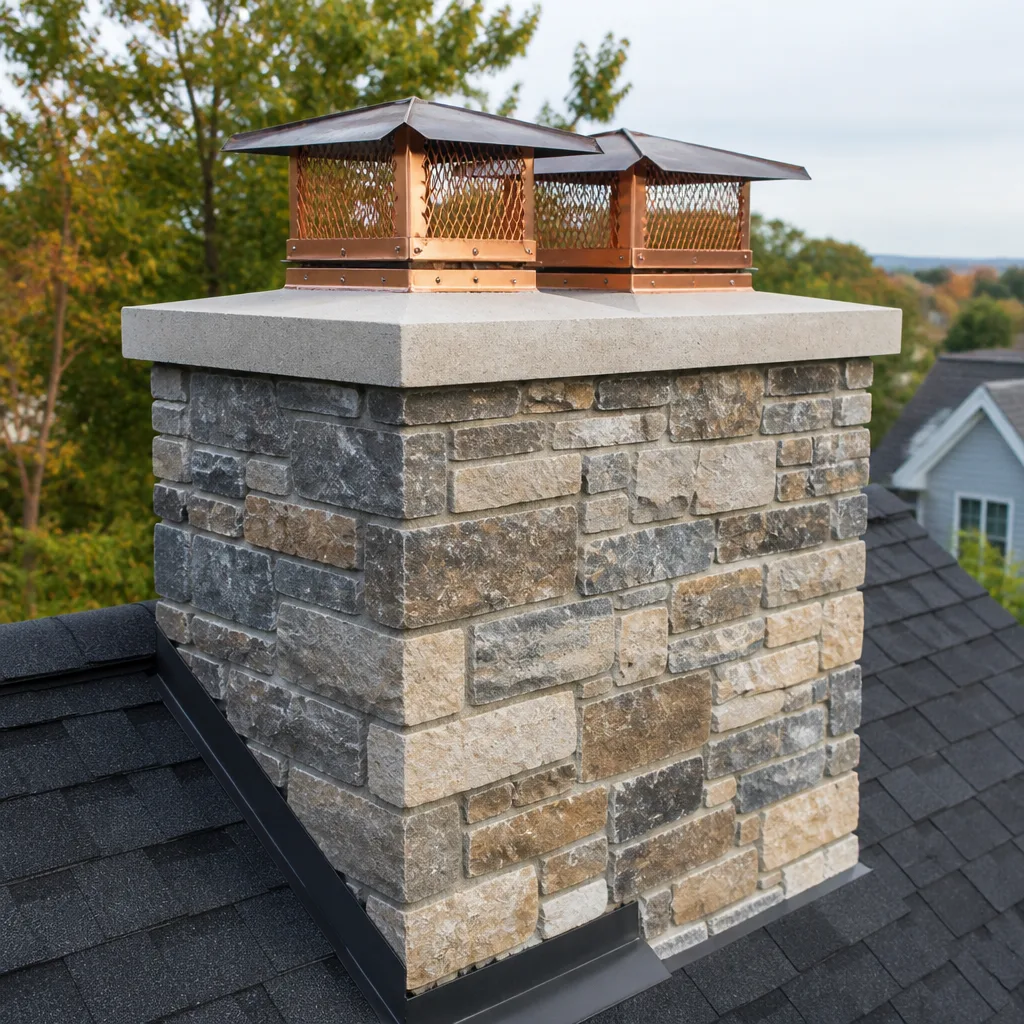
- The cap and spark arrestor. A cap that’s rusted through or sitting loose is doing the opposite of its job. Galvanized caps degrade faster in strong sun; a spec-grade stainless or copper cap from a line like Gelco or Olympia Chimney lasts far longer in this climate.
- Chase cover sealant. On a framed chase, the cover over the whole assembly needs intact sealant where it meets the siding or trim. UV kills that sealant first, so summer is when it fails.
- Mortar joints on the exposed stack. Rake a screwdriver handle gently across a joint. If mortar crumbles, it’s already failed and needs repointing before fall weather works into it.
None of this is a DIY repair job unless you’re comfortable on a roof. A chimney technician who handles chimney repair will inspect all four of these from the roof and give you a straight answer on what’s urgent and what can wait.
Fall: Why Waiting Until November Is Too Late
The single most common scheduling mistake in Odessa is waiting for the first genuinely cold night to book a sweep. By then you’re in a queue with every other homeowner who did the same thing, and your first fire of the season is burning on a flue that hasn’t been cleaned since last year. Book in September or early October instead, before the burn season starts and while the schedule is still open.
Odessa’s burn season is short, and that changes the calculus. A homeowner here might burn three or four months out of the year, which means the creosote load is smaller than a northern climate would produce, but the fireplace also sits idle long enough for that creosote to harden into a glaze that’s harder to remove. A sweep performed in September clears the summer’s accumulation of dust, debris, and any hardened glaze before you’re sitting in front of your first fire.
Fall is also when the wind picks up. Odessa sits on open, flat ground, and gusts moving over that landscape pick up grit, dust, and seeds that get driven into chimney caps and flues. This is when caps get displaced and debris loads build up in the smoke chamber, which is why a proper fall inspection always includes looking down the flue, not just at the firebox.
A fall sweep and inspection at our Odessa location typically covers:
- Removal of soot, creosote, and debris from the firebox, smoke chamber, and flue
- A camera inspection of the flue interior, with photos you can look at yourself
- A check of the damper, cap, crown, and flashing before the season starts
- A written report on any liner or firebox issue worth fixing now versus later
One note on the sweep itself: creosote comes in stages, and the difference between a stage-one sweep and a stage-three glaze is why we do a camera inspection as part of every cleaning rather than assuming a quick brush-out is enough. If the flue needs relining, we can handle it during the same visit rather than scheduling a second job.
Winter Burns: How Short, Cold Fires Accelerate Creosote
Cold weather in Odessa doesn’t mean long, roaring fires. Most homeowners burn short fires on cold evenings, just to warm up the living room before bed. That pattern is actually harder on a chimney than a steady burn, because incomplete combustion produces more creosote per hour than a hot, well-drafted fire.
The reason is draft. A chimney draft depends on hot flue gases rising fast enough to pull combustion byproducts out of the firebox. When the fire is cool or short-lived, the flue stays cool, the draft stays weak, and smoke lingers long enough to condense on cooler flue walls as creosote. Over a season, those short fires add up. If your fire has a smoky smell that lingers after you’ve put it out, that’s the sign that your draft is marginal and creosote is building.
Our technicians have up to 12 years of experience, and the pattern they see most often in this region is a chimney that gets swept properly once a season and then sits with too much creosote by February because every fire that winter was a short one. Here’s what reduces the problem:
- Burn hotter, shorter fires that still get the flue warm. Counterintuitive, but a hot fire for thirty minutes clears creosote better than an hour of smoldering.
- Use dry, well-seasoned wood. Wood above roughly 20% moisture content spends its heat boiling off water instead of warming the flue, which drops draft and increases condensation.
- Don’t close the damper early. Give the fire time to burn down cleanly before closing.
- Watch the cap during wind events. A displaced cap changes draft dynamics and can send exhaust back into the room.
On the smoldering risk, be direct: creosote is the fuel for a chimney fire, and a chimney fire can spread into the framing of the house. That is why a sweep before the season, not mid-season, is the safety-critical step.
Spring: Moisture Checks and Flashing After Temperature Cycling
Spring is when the chimney settles up the bill for the whole year. Odessa’s temperature swings in March and April are large – warm afternoons, cool nights – and that cycling works on every joint and seal on the exterior of the chimney. Metal flashing expands and contracts at a different rate than masonry, which loosens the seal where the flashing meets the roof.
The spring check is smaller than the fall inspection and focuses on moisture and metal:
- Flashing and the roof seal. Look for lifted edges or gaps where the step flashing meets shingles. Water intrusion here is the number one cause of interior staining that gets blamed on the crown.
- Crown sealant. Spring is the right time to apply or renew sealant on a crown that’s intact but showing surface checking. A crown that’s already cracked needs repair, not just a coat of sealant.
- Cap and chase cover hardware. Check that screws are still seated after a winter of wind.
- Interior staining. If you see water stains on the ceiling near the chimney chase, it’s already leaking and needs a look before summer.
We’ve seen spring inspections that turned up nothing worth repairing, and that’s a good outcome. Knowing that your chimney sweep checked and the flashing is sound is worth the visit, and it lets you put the repair budget toward next fall instead.
Wind Events: The Year-Round Odessa Hazard
Ask anyone who lives here and they’ll tell you the wind is the defining weather feature of the region. For chimneys, that means a hazard that doesn’t fit neatly into any season: displacement of caps and intrusion of debris during dust storms and high-gust events.
A cap does two jobs. It keeps water out of the flue and it keeps birds, squirrels, and wind-blown debris from getting into the chimney. When a gust strong enough to move a poorly secured cap hits, the cap can end up hanging by one corner or gone entirely. The chimney then sits open to whatever the next weather event throws at it. We see this most often after a wind event, and the failure is almost always in the fastening: a cap installed with hardware-store brackets and short screws is the one that moves.
Along with caps, the other wind-driven issue is debris intrusion. A dust storm or high-gust front blows grit, seeds, and dried plant material into an uncapped flue. Over time, that material builds up in the smoke chamber and can block draft or become a fire hazard. Cap installations using spec-grade hardware such as Gelco or Olympia Chimney components, correctly secured to the flue tile or chase, do not have this problem. Improvised fixes do.
After any significant wind event in Odessa, it’s worth a quick look from the ground. If you can see the cap from your yard, check that it’s still sitting flat and centered. If it’s tilted or missing, call for an inspection rather than waiting for the next season.
A Month-by-Month Chimney Calendar
This is the framework that replaces the generic “sweep in fall” advice. It’s written for a homeowner with an active wood-burning fireplace in Odessa, but the sequence applies to any chimney system.
January and February: Mid-season check-in. If you’ve been burning steadily, look at the firebox after a burn and watch for heavy soot. If the fire is smoky or the house smells like smoke after extinguishing, that’s a sign creosote is building faster than expected. Book a sweep for March.
March and April: Spring inspection. Flashing, crown sealant, chase cover hardware, and a look for interior leaks. Apply crown sealant if the crown is intact but showing surface checking. This is the moisture-control window before summer.
May: If you’re planning any repair, this is the best month. Weather is workable and the fall schedule hasn’t filled up yet.
June, July, and August: Heat stress surveillance. Check the crown for new cracks, check the cap for UV damage, check chase cover sealant. No interior service is needed if your last sweep was in fall, but the exterior checks matter most now.
September and early October: Pre-season sweep and full inspection. This is the single most important booking of the year. Book early so you’re not waiting on a schedule that fills up.
November and December: Burn season. Monitor draft quality, burn dry wood, and keep the damper open long enough for complete combustion.
Book the sweep and the inspection together. Our Chimney Sweep Odessa service handles both in one visit, which means you’re not coordinating two contractors for one system.
What a Proper Inspection Actually Covers
An inspection is the foundation of every service, not an add-on. It’s also the part of chimney care that gets skipped most often, because a sweep without a camera inspection is a cleaning with no diagnosis attached.
A thorough chimney inspection in Odessa covers:
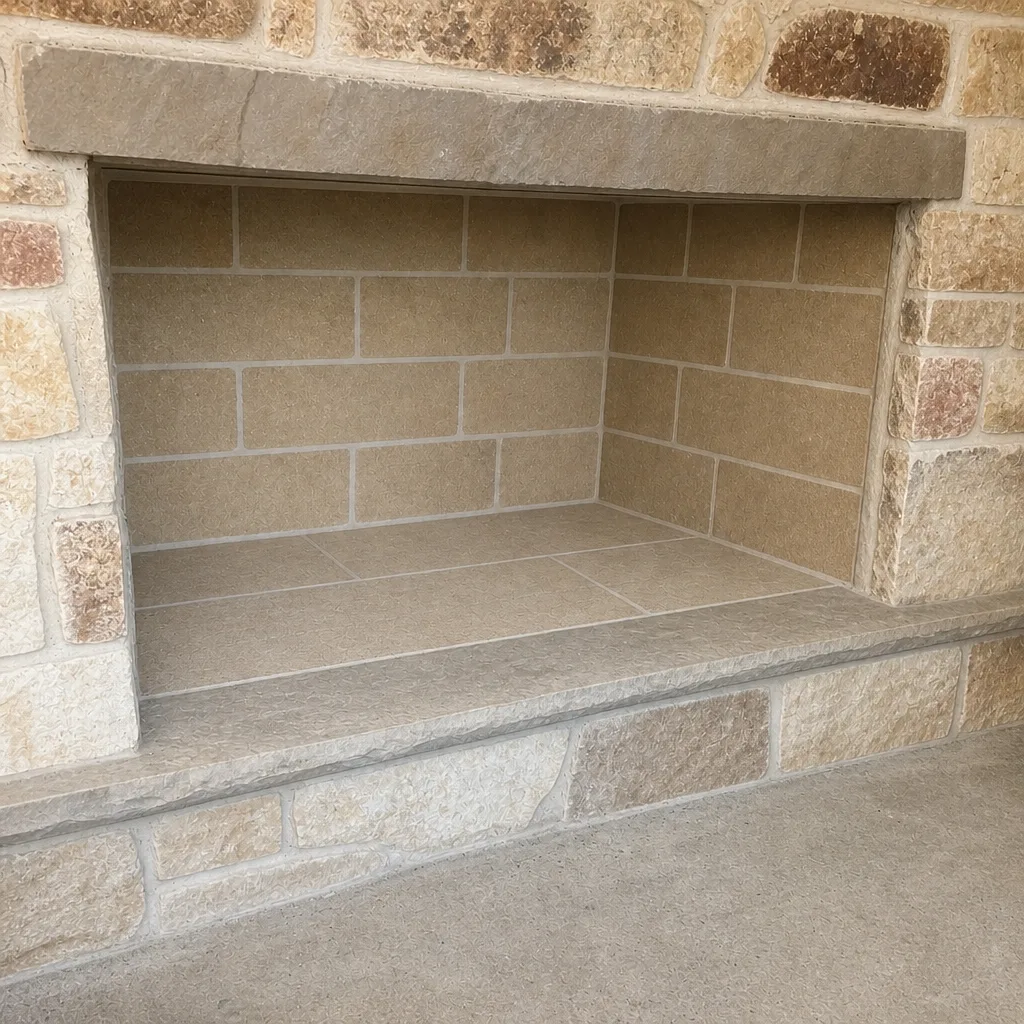
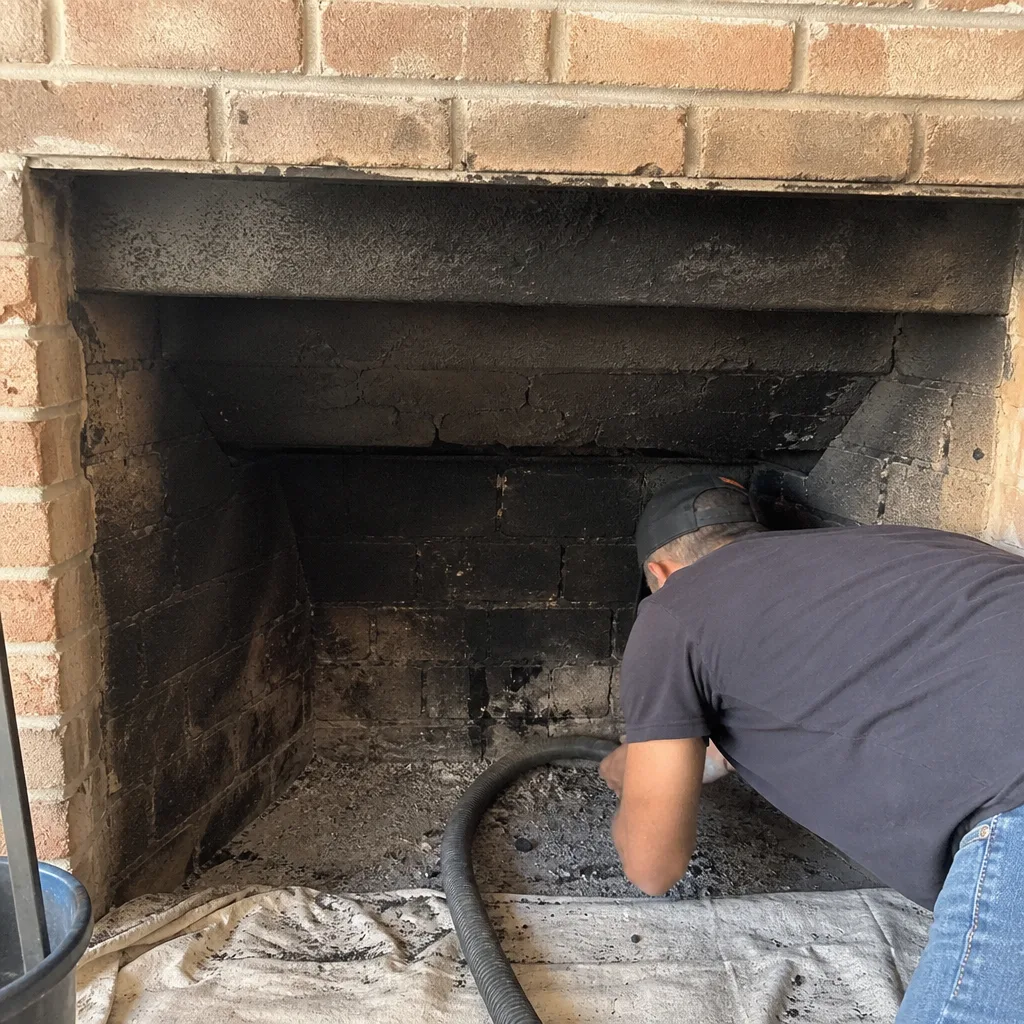
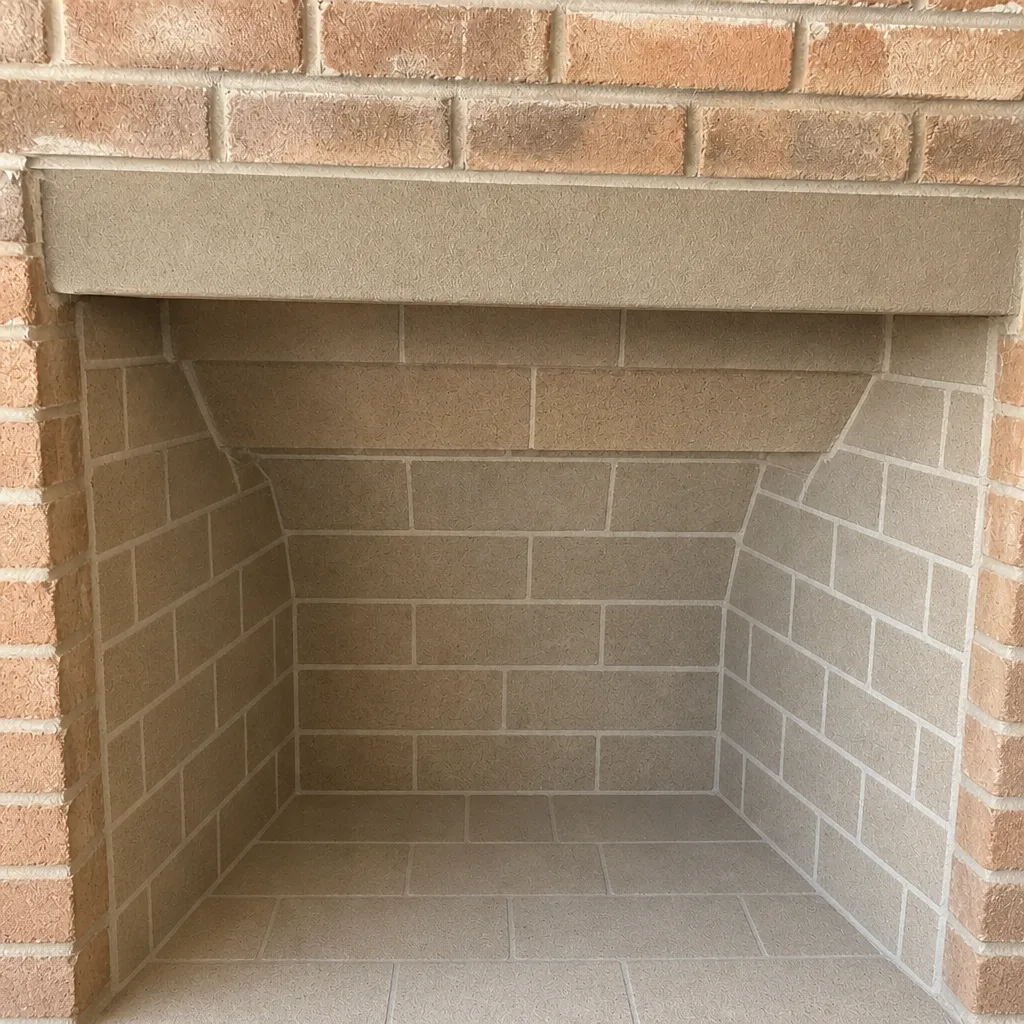
- The firebox. Look for cracked firebrick, deteriorated joints, and, where applicable, HeatShield resurfacing needs. HeatShield is a professional-grade restoration material used to rebuild and resurface firebox interiors – most sweep-only companies cannot perform this restoration or must outsource it.
- The smoke chamber. The sloped area above the firebox. This is where creosote and debris accumulate and where improper corbeling creates turbulence that degrades draft.
- The flue interior. A camera inspection of the full flue length, looking for cracks, gaps in the liner, and creosote glaze. The photos are part of the report, not just something the technician sees.
- The damper. Operation, seal, and rust.
- The crown, cap, and flashing. The exterior conditions described above.
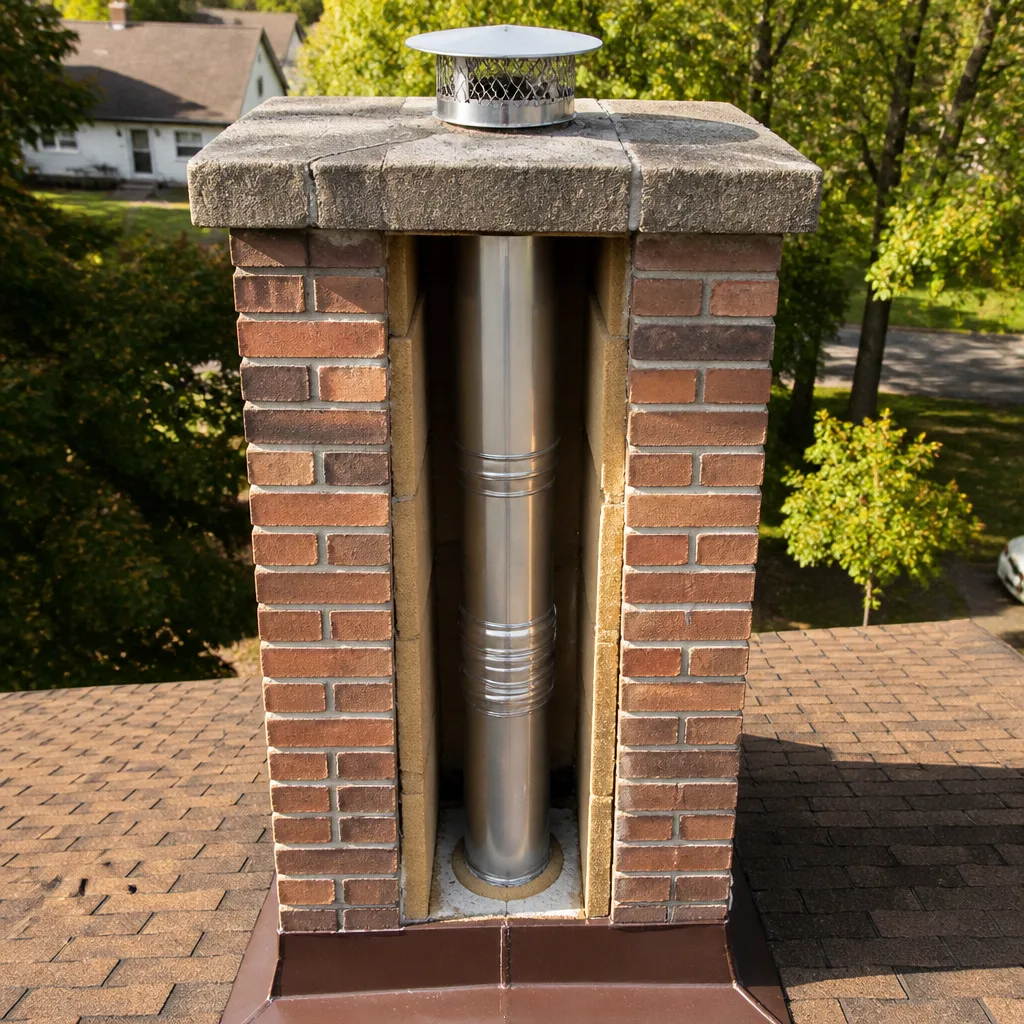
- The liner. If the flue needs relining, we can install a DuraFlex liner system during the repair visit rather than scheduling it separately. A proper liner reduces creosote adhesion and improves draft, which is why we specify DuraFlex rather than an off-the-shelf liner.
A camera inspection is the difference between “your chimney is clean” and “your chimney is sound.” Ask for the photos. If a technician can’t show you what’s inside the flue, they can’t tell you what needs fixing.
What Chimney Care Typically Involves and How Estimates Work
Pricing for chimney work depends on what the inspection finds, not on a fixed menu. A sweep on a sound chimney is one thing; a sweep that turns up a failed crown, a cracked firebox, and a degraded liner is a different scope of work. That’s why we work from a written estimate after the inspection rather than quoting a flat number over the phone.
What typically gets billed separately:
| Service | What’s Included |
|---|---|
| Chimney sweep | Soot and creosote removal, firebox and flue cleaning, camera inspection with photo report |
| Chimney inspection | Full interior and exterior assessment, written report, recommendations for repair versus wait |
| Crown repair or resealing | Repointing or rebuilding the crown, sealing hairline cracks, restoring the water-shedding surface |
| Firebox restoration | HeatShield resurfacing of the firebox interior and smoke chamber as needed |
| Chimney relining | DuraFlex liner installation, sized to the flue and appliance |
| Cap or chase cover | Gelco or Olympia Chimney components, spec-grade hardware, correctly secured |
The estimate is free and the price is set per job by the written estimate. We don’t quote a fee to come out, and we don’t recommend work that isn’t backed by what the camera shows. If a repair can safely wait until next season, we’ll say so.
Common Mistakes to Avoid
- Waiting until November to book the season’s sweep. By then the schedule is full and you’re burning on a dirty flue. Book in September when Odessa’s chimney technicians still have openings.
- Skipping the summer exterior check because you’re not using the fireplace. That’s the window when heat and UV do the most damage to crown, mortar, and sealant. No fireplace use is not the same as no chimney stress.
- Accepting a “quick clean” without a camera inspection. A brush-out with no look down the flue tells you nothing about the liner, the smoke chamber, or a developing crack. Ask for the photos.
- Replacing a cap with hardware-store hardware. Improvised cap kits fail in a single Odessa wind season. Spec-grade stainless or copper with proper fastening is the durable answer.
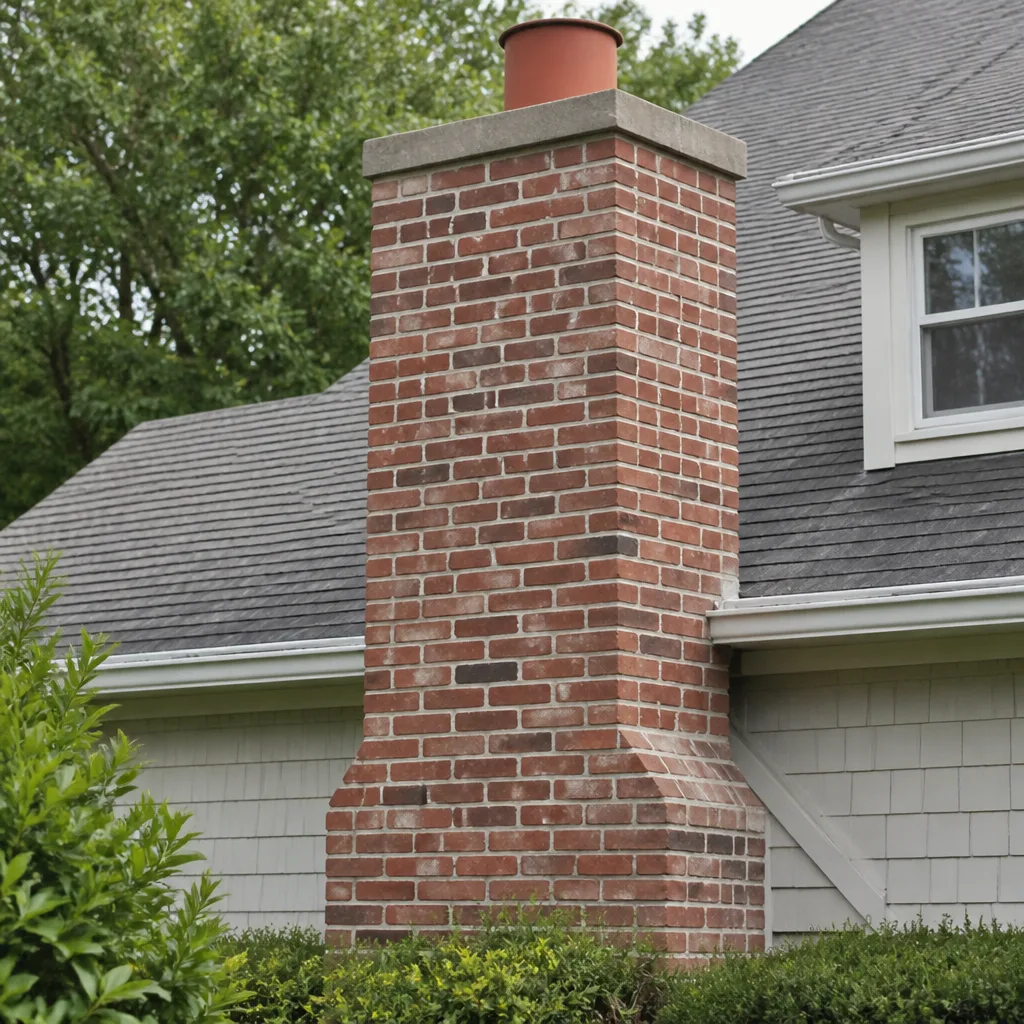
- Assuming a masonry chimney is fine because it looks fine from the driveway. Flashing failure, crown cracking, and liner degradation are all interior or roofline issues that don’t show from the ground.
- Ignoring short-fire creosote buildup. Cool, short fires produce more creosote per hour than steady burns. A February mid-season check catches the accumulation before it hardens.
- Hiring a general handyman for chimney work. A chimney is a system with drafting, liner, and moisture-management components. It needs a specialist, not a multipurpose trade.
See the difference
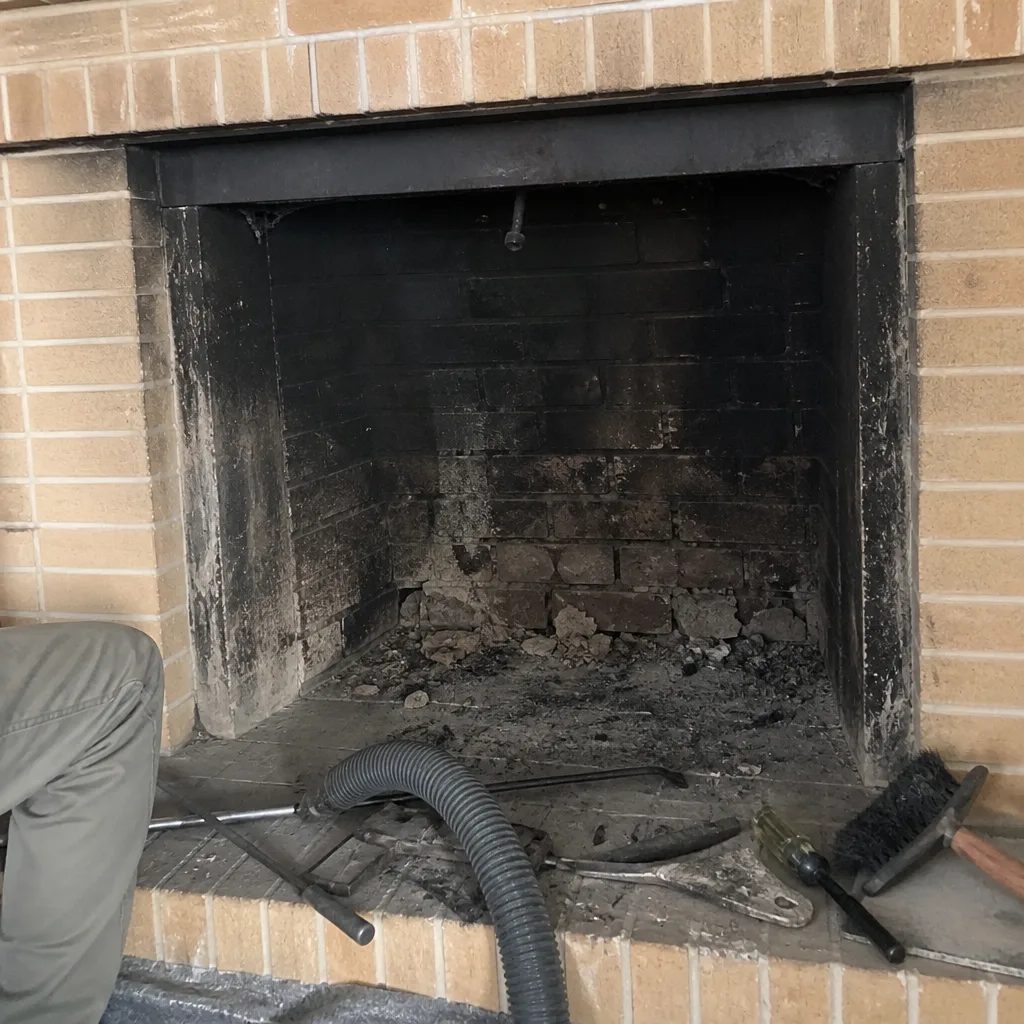 Before
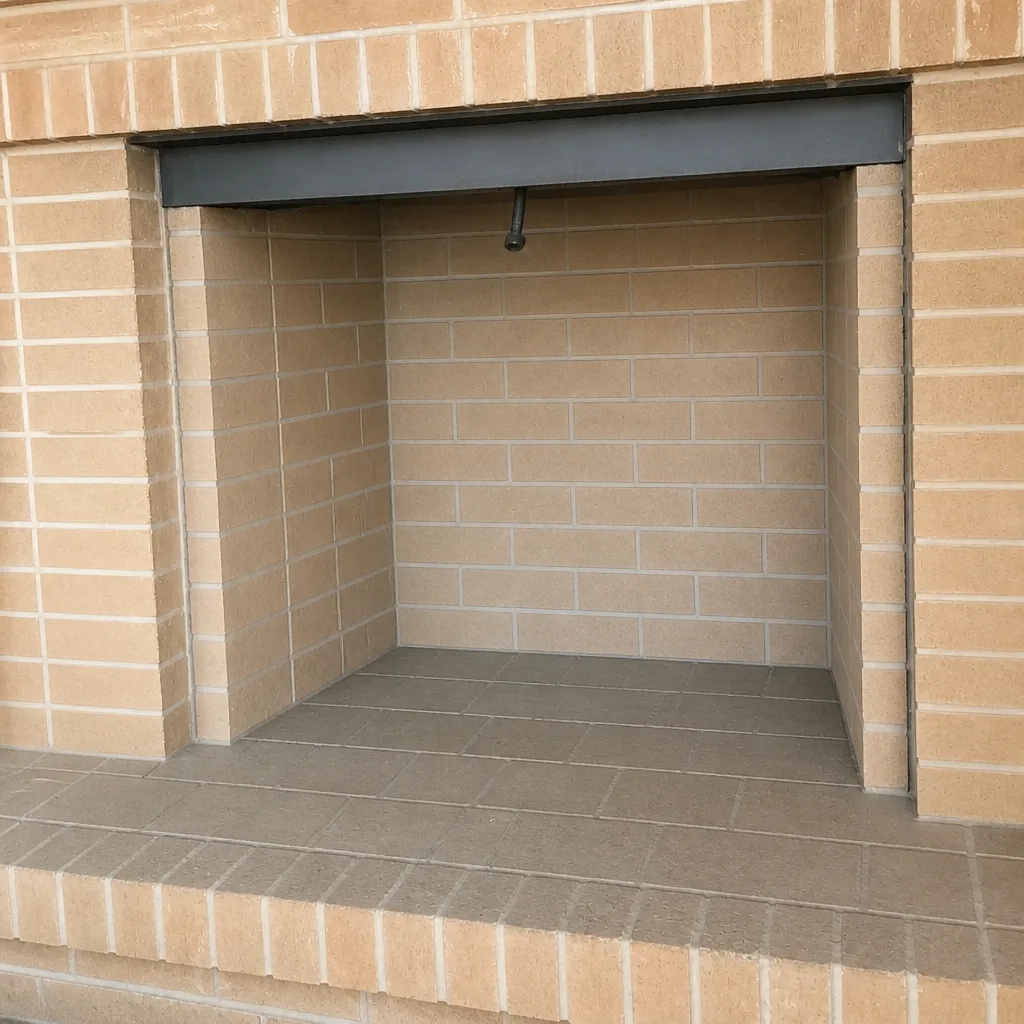 After
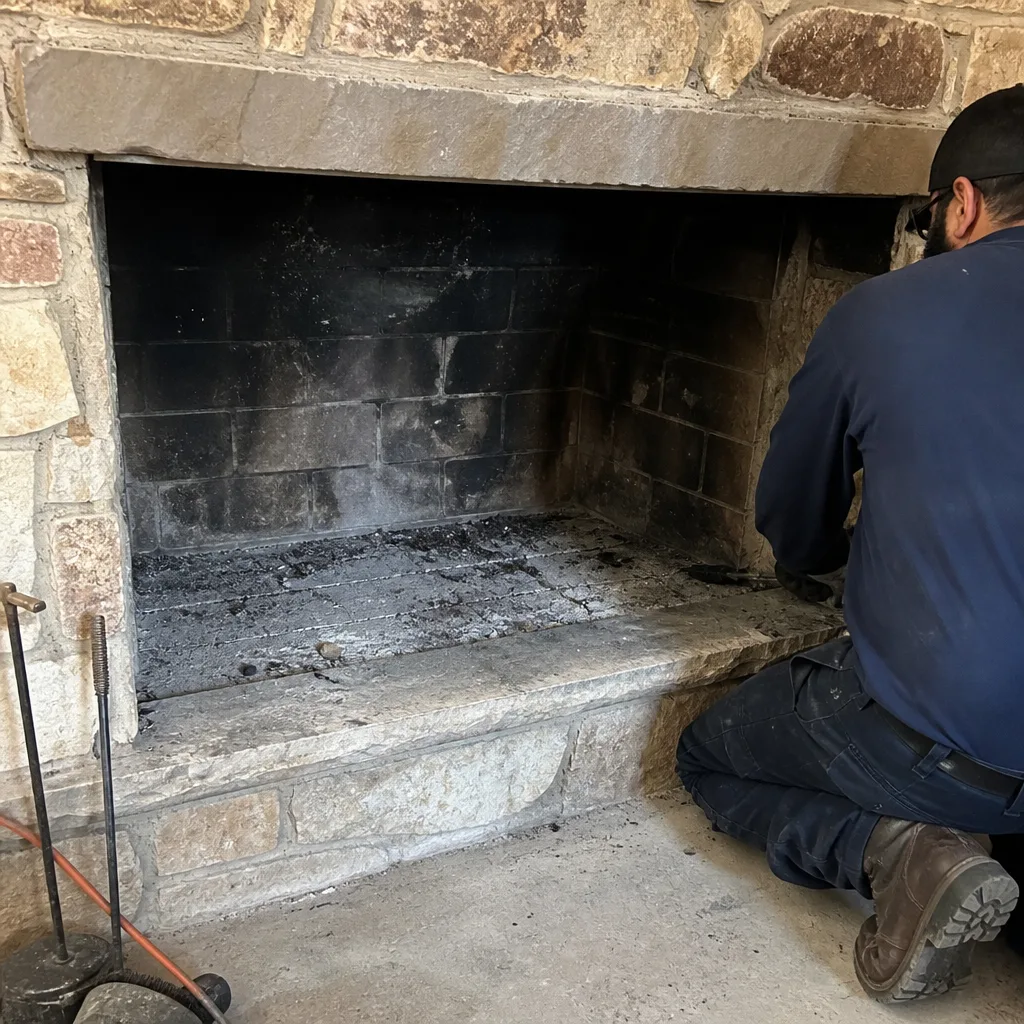 Before
 After
 Before
 After
When to Call a Professional
Call a chimney professional if you haven’t had the system inspected in over a year, if the last sweep didn’t include a camera inspection, if you see water staining near the chase, if the cap is tilted or missing after a wind event, or if your fires are smoky and the room smells like smoke afterward. Call before the first cold front if you’ve noticed any of these, not after. Chimney Sweep Odessa offers free estimates in Odessa. Call (833) 486-7503. We answer 24/7. Fast dispatch from 7am to 7pm, Sunday through Friday.
Frequently Asked Questions
Most homeowners here should have the chimney swept once a year, in late summer or early fall, which matches the short burn season. If you burn frequently or have a low-draft fireplace that produces smoky fires, a mid-season check in February is worth it. Call (833) 486-7503 for an exact assessment of your system – estimates are free.
Skipping a season rarely causes an immediate problem, but it lets creosote harden into a glaze that’s harder to remove, and it gives summer heat and UV another full cycle to crack the crown and degrade cap sealant. Water intrusion is the most common result, and it shows up as rusted dampers, spalled brick, and interior staining. Call (833) 486-7503 to get the system checked before that happens.
A liner replacement is only worth doing when the camera inspection shows cracks, gaps, or a liner that’s no longer rated for your appliance, and the photos should show you exactly that. If the liner is sound, it doesn’t need replacing. Ask for the inspection report and look at the photos before deciding. Call (833) 486-7503 for an inspection with a written photo report.
Yes. Summer heat and UV are the biggest exterior stressors on an Odessa chimney, because they dry out mortar unevenly and break down cap and chase cover sealant. The damage is slow and invisible from the ground, which is why a June or July roof-level check matters. Call (833) 486-7503 to schedule an inspection before the heat peaks.
Often, yes. Because we install DuraFlex liner systems during repair calls, relining can usually be completed in the same visit as the sweep and inspection that found the problem. That means no separate appointment and one contractor accountable for the whole job. Call (833) 486-7503 to find out what your chimney needs.
Look at the cap from the ground. If it’s still flat and centered, no action is needed. If it’s tilted, missing, or you can’t see it, call for an inspection so we can check for debris intrusion and cap damage before it becomes a draft or fire problem. Call (833) 486-7503. We answer 24/7. Fast dispatch from 7am to 7pm, Sunday through Friday.
The Bottom Line
Chimney care in Odessa is a year-round cycle, not a fall event. The summer exterior check, the September sweep and inspection, the winter burn habits, and the spring moisture check each address a different kind of wear that the others miss. Book the pre-season sweep before the first cold front, insist on a camera inspection with photos you can see, and don’t accept a repaired cap or a replacement liner without evidence in the report. When it’s time to schedule, call (833) 486-7503 for a free estimate.
Written by the team at Chimney Sweep Odessa.