
Last updated November 15, 2026
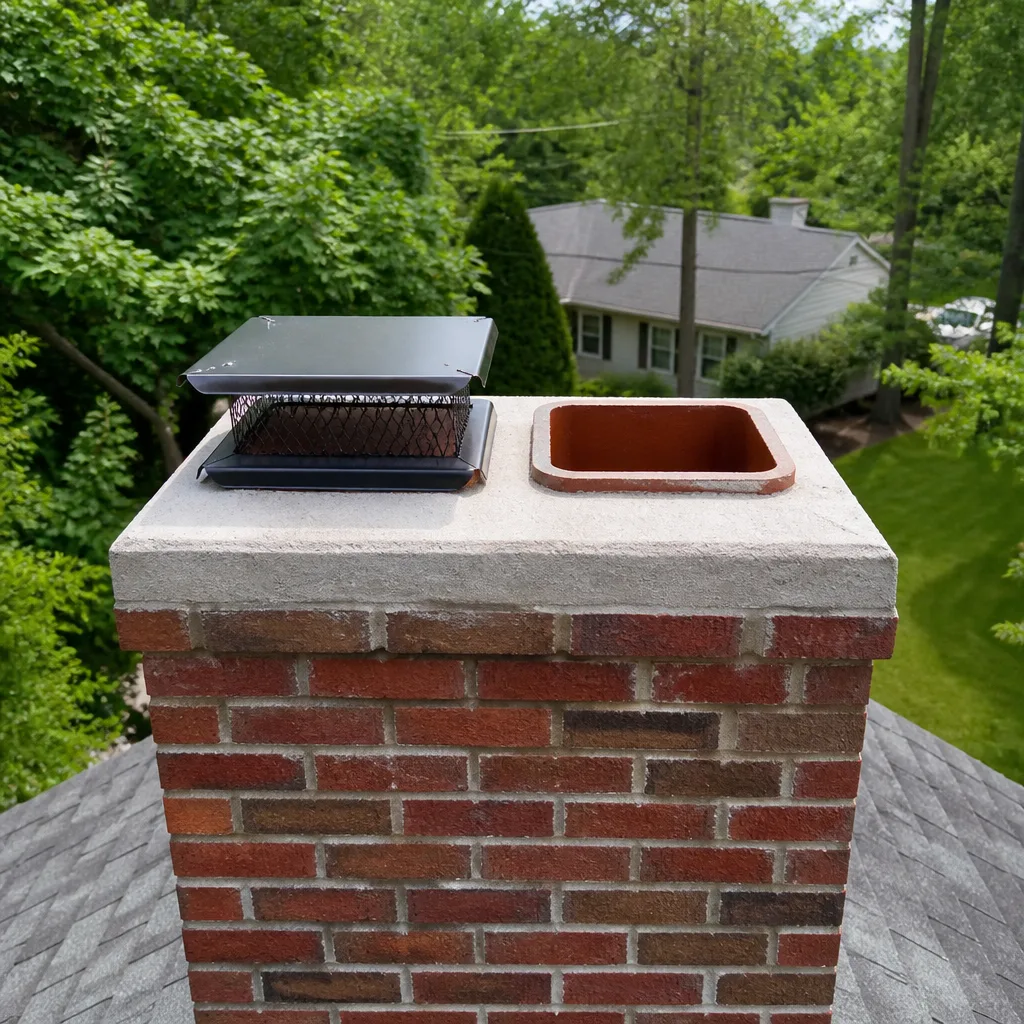 Sweep & inspection
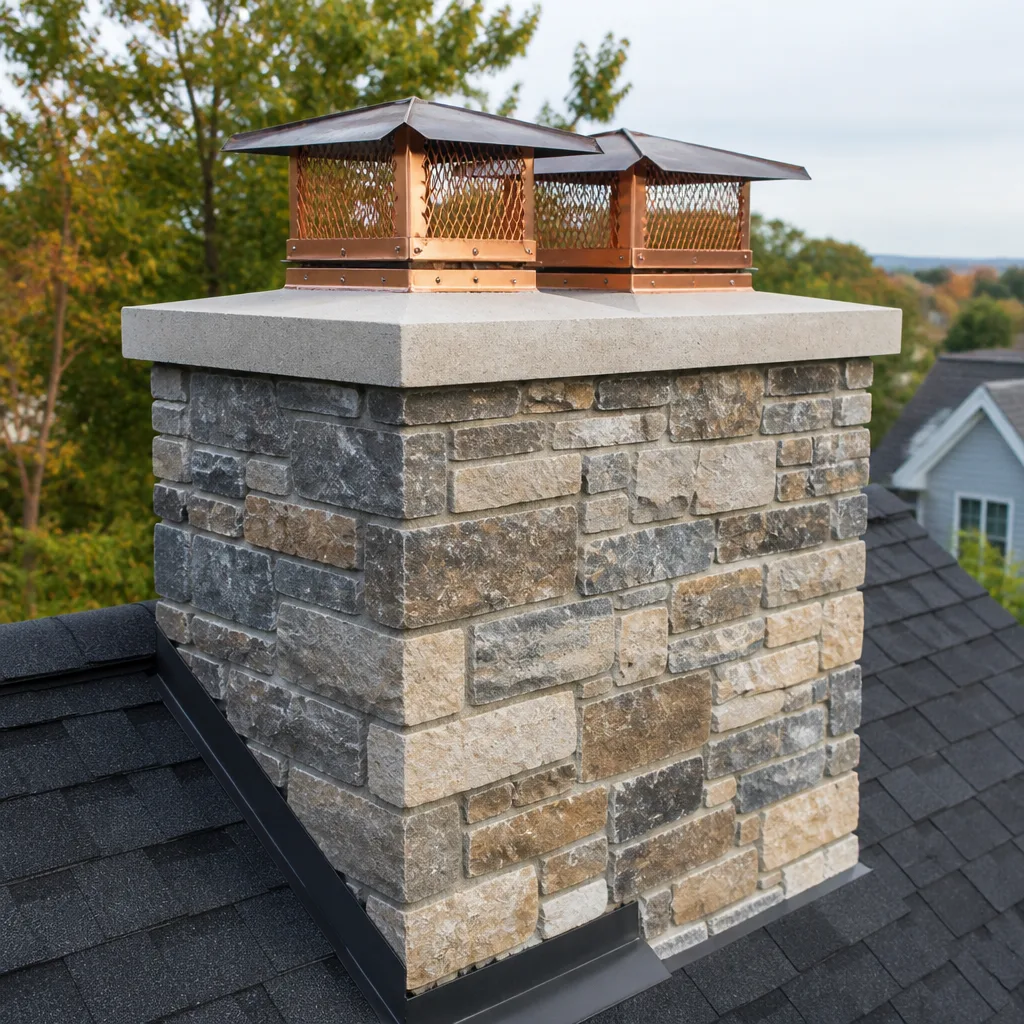 Caps & crowns
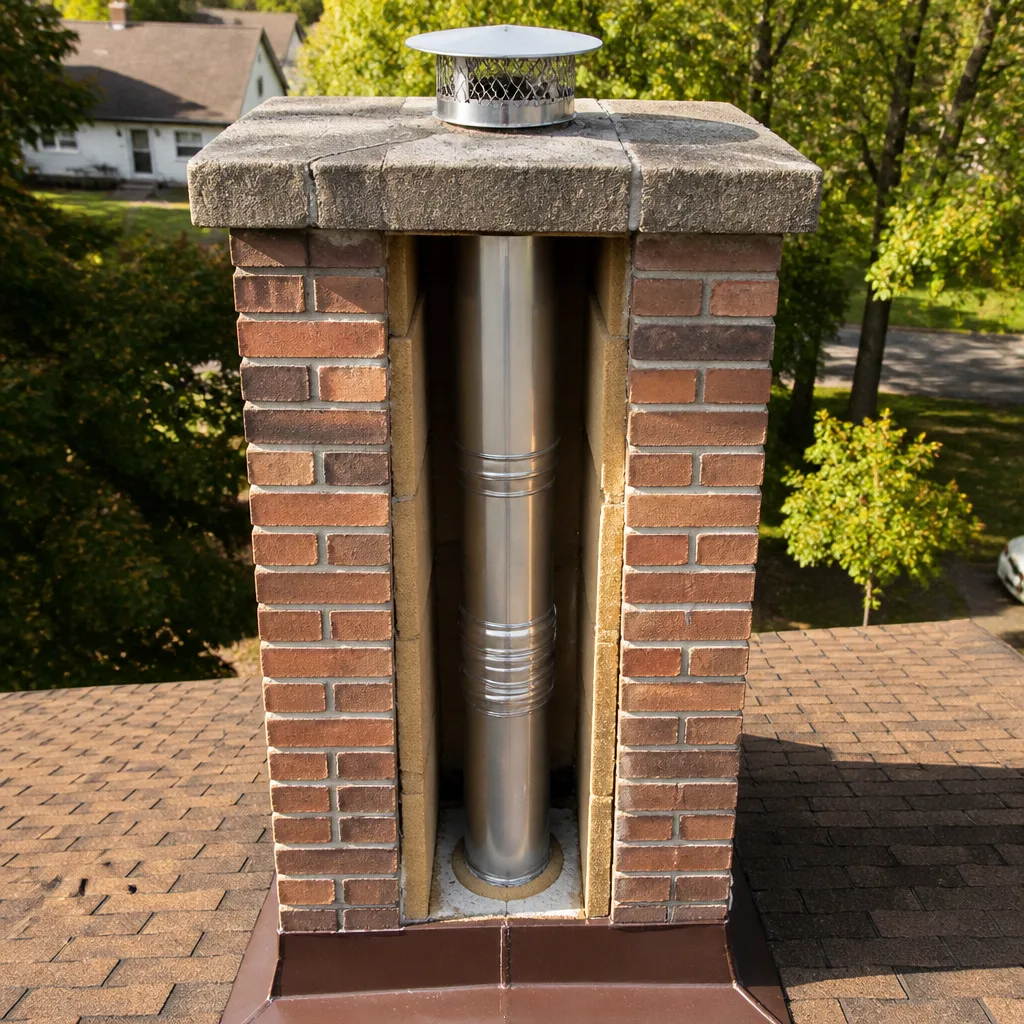 Flue relining
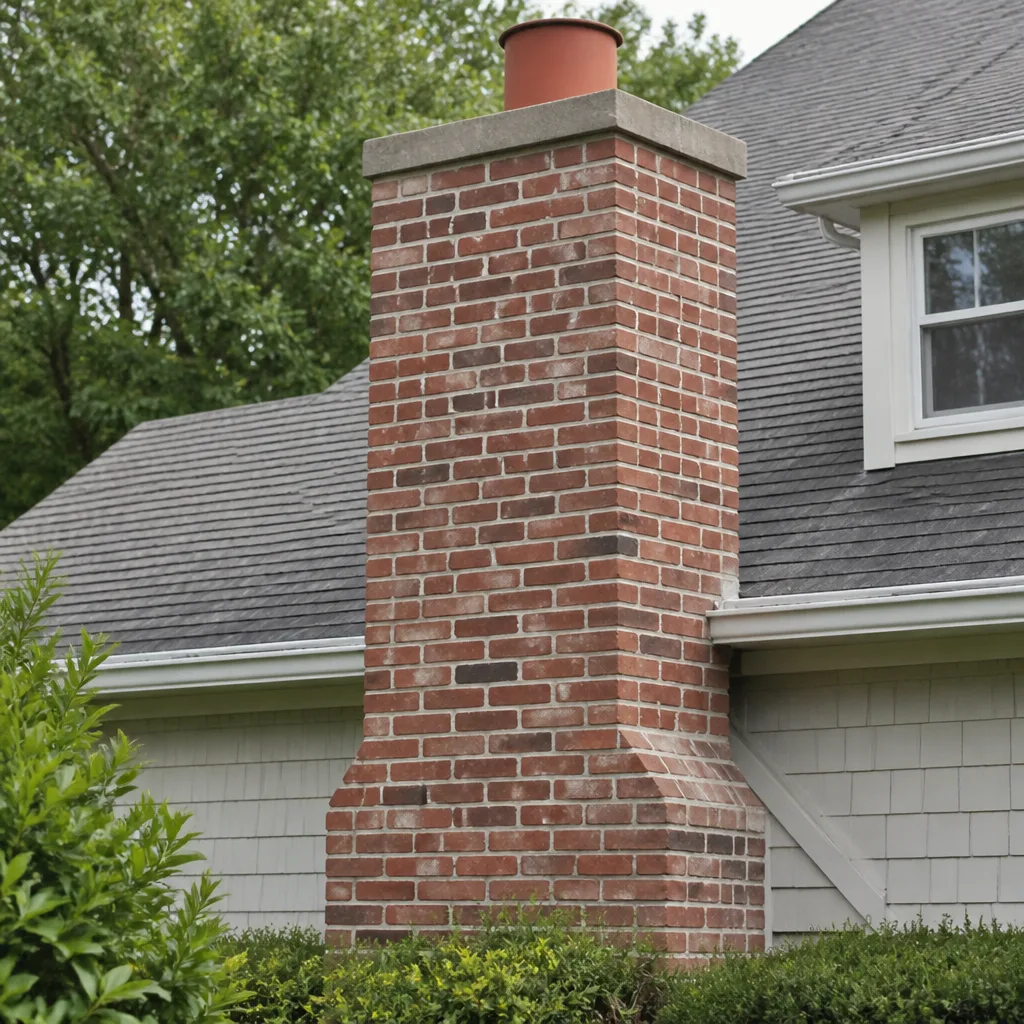 Masonry repair
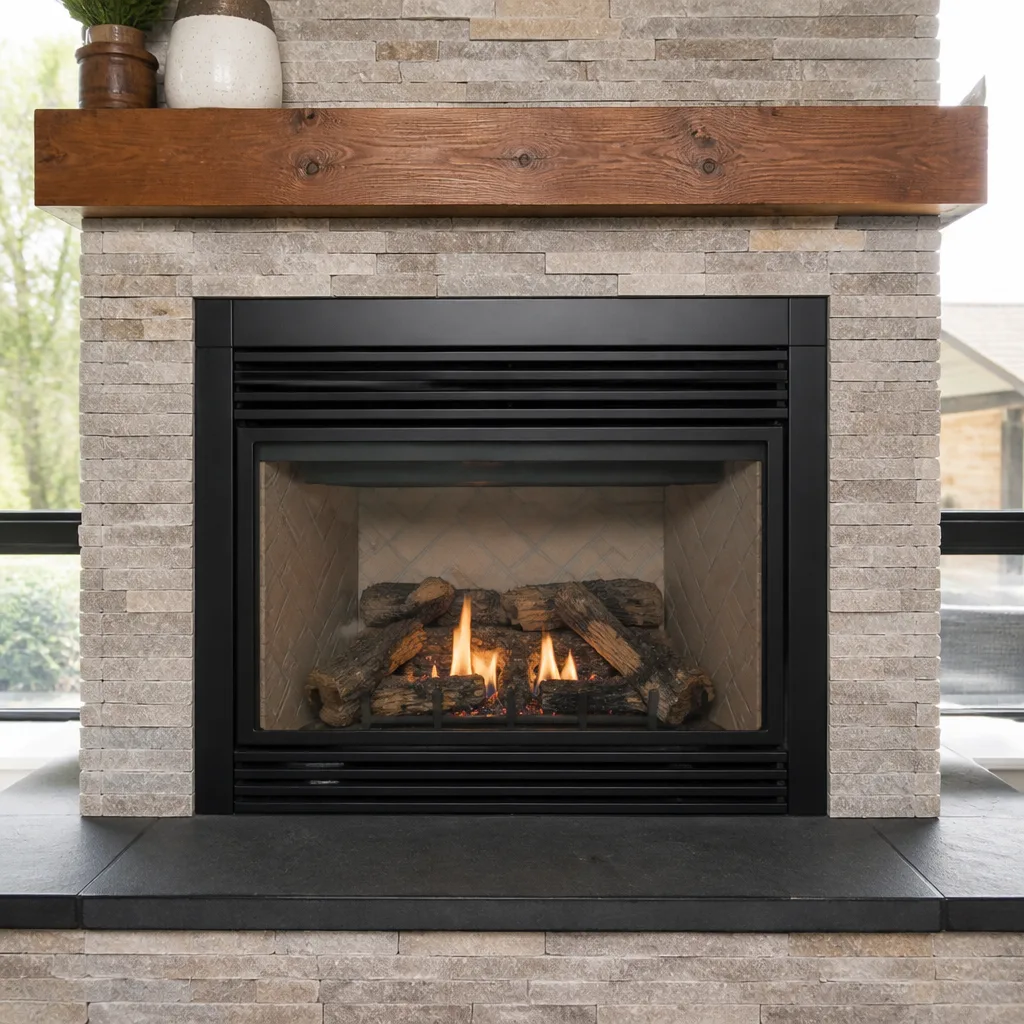 Gas fireplace service
Level 1 sweep and inspection to the NFPA 211 annual standard - flue, crown, cap, and flashing checked and photographed
Chimney sweep logs do not sweep chimneys. They loosen some creosote - which then falls where a brush and vacuum still have to collect it.
Chimney Cleaning Warning Signs: An Odessa Homeowner’s Reference Guide
A smoky smell in your living room on a windy day isn’t just annoying. It’s a draft failure, and a draft failure can point to a blocked or collapsed flue section, the same condition that lets carbon monoxide backdraft into a home. Most warning signs a chimney gives off are visible or smellable by the homeowner. The trouble is that many Odessa residents normalize them. A fireplace that smells a little smoky gets written off as “just how wood heat works,” or a draft problem gets blamed on wind or weather. That normalization is what turns a minor issue into a liner replacement. This guide names each warning sign, explains what actually causes it, and tells you how urgently it needs a response.
Quick Answer
Chimney cleaning warning signs fall into four groups: smells, exterior damage, interior damage, and draft problems. Odors point to creosote buildup, moisture intrusion, or active combustion residue. Visible brick staining, crown cracks, and rusted caps point to water and heat damage. Smoke staining, a damper that won’t seal, and mortar debris in the firebox point to internal breakdown. Sluggish fires and smoke pushing into the room point to a blocked or undersized flue. The single most reliable sign that you need service is a change from how your chimney normally behaves. If yours used to draw well and now doesn’t, that change is the warning.
Styles & brands we work with
- Sweep & inspection
- Caps & crowns
- Flue relining
- Masonry repair
- Gas fireplace service
Table of Contents
- What Do the Three Chimney Odor Types Tell You?
- Which Exterior Warning Signs Matter in Odessa?
- What Interior Signs Point to a Chimney Problem?
- Why Does Your Fireplace Struggle to Draw?
- Which Warning Signs Mean Stop Using the Fireplace?
- What Happens During a Chimney Inspection?
- Common Mistakes to Avoid
- Frequently Asked Questions
What Do the Three Chimney Odor Types Tell You?
Three distinct smells come from a chimney, and each one points to a different underlying problem. Learning to tell them apart is the fastest diagnostic a homeowner has. Odessa’s dry, windy climate makes the creosote and draft-related odors more noticeable, because a strong crosswind can push stale flue air down into a living room that would otherwise vent normally.
1. The Creosote Smell
A sharp, tarry, campfire-like smell, strongest on warm days when the fireplace is not in use, usually means creosote buildup. Creosote is a natural byproduct of burning wood, and it accumulates on the flue walls over time. In Odessa’s dry climate, where homeowners burn through longer heating seasons than they expect, that accumulation builds faster than people assume. When the flue is warm and the draft is weak, that built-up creosote off-gasses into the house. More importantly, it’s highly combustible. A chimney that smells strongly of creosote is telling you it’s overdue for a chimney sweep.
2. The Musty, Damp Smell
A musty, earthy smell in the firebox or around the hearth points to moisture. This is water getting in through a failed crown, a cracked cap, or deteriorated mortar joints. Odessa brickwork is especially vulnerable because the local soil has a heavy caliche content, and caliche-laden moisture that moves through and evaporates from brick leaves behind visible white staining (efflorescence), a clear moisture signal. A musty chimney needs the moisture source sealed, not just a sweep.
3. The Acrid, Sharp Smell
A sharp, biting smell that’s distinctly different from wood smoke usually points to active combustion residue, meaning incomplete burning that has left unburned material in the flue. This often accompanies wet wood or a restricted draft. If the smell lingers after a fire, the chimney hasn’t finished off-gassing what’s in it. It needs to be inspected before the next fire is lit.
Any of these smells recurring after a cleaning means the underlying cause wasn’t addressed. We’ve seen homes where a sweep was done but the moisture problem was never fixed, and the musty smell came back within a season.
Which Exterior Warning Signs Matter in Odessa?
The exterior of your chimney tells a story that’s easy to read if you know what you’re looking at. Odessa’s particular combination of dry heat, caliche-heavy soil, and occasional hard wind drives specific patterns of exterior damage. Here’s what to check from ground level, ideally with binoculars.
Efflorescence on Brick
White, chalky staining on the brick face is efflorescence, a salt deposit left behind when moisture moves through the masonry and evaporates. In Odessa, the high mineral content of local soil and water means efflorescence appears more readily and more visibly than in other regions. It’s a moisture signal. The brick itself isn’t failing, but the chimney above it is letting water in somewhere. Ignoring efflorescence lets the moisture get deeper into the masonry, which is where freeze-free but chemically active deterioration begins.
Crown Cracking Patterns
The concrete crown at the top of the chimney is designed to shed water away from the brick. Look for hairline cracks, spalling (chunks flaking off), and separation at the crown-to-flue joint. In Odessa, the intense sun and day-to-night temperature swings crack crowns faster than the brick beneath them. A cracked crown lets water down the flue, and that’s the path to a wet flue lining, a musty smell, and eventually interior damage.
Rusted Cap Edges
A chimney cap with rusted edges, loose fasteners, or gaps where it meets the flue is failing. The cap’s job is to keep water, birds, and debris out while letting exhaust out. A failing cap lets all three in. Professional-grade caps from brands like Gelco or Famco are built for the specific flue dimensions and climate loads of the home they serve, which local hardware-store caps generally are not.
- Efflorescence means moisture is moving through the brick
- Crown cracks mean water is getting into the flue
- Rusted caps mean water, animals, and debris are getting in
- Missing spark screens mean birds and debris are entering
- Loose or missing mortar joints mean the chimney’s structural integrity is declining
What Interior Signs Point to a Chimney Problem?
The interior of your fireplace and firebox gives you another set of signals. These tell you what’s happening inside the flue and behind the firebox walls, which you can’t see directly. Most of what we diagnose during an inspection in Odessa is confirmed by these visible interior signs.
Smoke Staining Above the Firebox Opening
Dark staining on the brick or masonry face above the firebox is a record of smoke that escaped the firebox and rolled across the front of the fireplace. A little staining at the corners can be normal on older fireplaces. Heavy staining directly above the opening points to a draft problem or a flue opening that’s mismatched to the size of the firebox. Smoke that isn’t going up the flue has nowhere else to go but into the room. Every time you run a fire, some of that smoke is entering your living space.
A Damper That Won’t Seal Fully
Check your damper by closing it and looking for daylight. A damper that won’t close fully doesn’t just let heated air escape; it lets cold air in, and cold air in a flue that isn’t drawing is a recipe for smoke smell in the house and, in serious cases, backdrafting. A damper that won’t open fully is even worse, because it restricts the exhaust path. Sticking dampers are common in older Odessa homes where the fireplace hasn’t been used regularly. The damper needs inspection and adjustment.
Visible Mortar Debris in the Firebox
If you rake out your firebox and find chunks of mortar, joint material, or pieces of brick lining, the internal flue lining is breaking down. Mortar debris can block the flue and trap combustion gases, and it means the masonry is no longer as designed. Any visible mortar debris needs to be inspected before the fireplace is used again.
During a proper chimney repair assessment, we look at all three of these signs together. A repeating combination (smoke staining plus mortar debris, say) almost always confirms a repair-level problem rather than a cleaning-level one.
Why Does Your Fireplace Struggle to Draw?
A fireplace that once drew well and now struggles is failing, and it’s failing for a diagnosable reason. Draft failures are the warning sign category that Odessa residents most often misattribute. A sluggish fire gets blamed on wet wood or windy weather, when the draft is actually weak because the flue is restricted or blocked.
Here’s a numbered process for reading your own draft:
- Light the fire normally. Does smoke rise quickly into the flue, or does it hesitate and roll?
- Watch the first five minutes. A properly drawing chimney has smoke moving steadily upward within the first minute or two. Slow smoke is a slow draft.
- Hold a hand near the firebox opening. A small amount of inward air movement is normal. Strong inward air movement means the chimney is starving for air.
- Watch for smoke entering the room. Any smoke pushing into the living space means the exhaust is failing to carry it out.
- Note how quickly the fire burns down. A fire that dies quickly after the kindling burns off is a draft-starved fire.
Draft failures come from several causes. A blockage from soot, creosote, or debris restricts the flue. A collapsed or damaged liner breaks the smooth exhaust path. A missing chimney cap lets in nesting material and moisture. And a flue that’s too small for the firebox can’t keep up with demand.
For any draft failure where smoke is pushing into the room, stop using the fireplace until it’s inspected. The problem isn’t cosmetic, and the exhaust path is compromised.
Which Warning Signs Mean Stop Using the Fireplace?
The single most useful thing you can do for your chimney is to sort warning signs by urgency. Here’s the triage we’d use for any home in Odessa.
Stop Using the Fireplace Immediately
- Any smoke pushing into the room, especially if it happens repeatedly
- Visible mortar debris in the firebox
- A sharp acrid smell that lingers after a fire
- A carbon monoxide detector sounding near the fireplace
- Visible soot or creosote falling from the chimney
- A chimney cap that has come off or is visibly damaged
These point to a compromised exhaust path. The flue is not doing its job, and any fire lit will send combustion products where they shouldn’t go.
Schedule Soon, Before the Next Fire
- A strong creosote smell when the fireplace is cold
- A musty smell in the firebox
- A damper that won’t seal fully
- Efflorescence on exterior brick
- Sluggish fire startup or a fire that dies quickly
- Smoke staining above the firebox opening
- Rusted cap edges or missing spark screens
These signs need professional diagnosis, but they don’t require an emergency response. The right next step is a scheduled inspection so the chimney can be evaluated and the condition properly diagnosed.
Can Wait for a Seasonal Check
- Faint smoke smell after a fire, once the fire has cooled
- Minor brick staining at the firebox corners
- A slightly loose damper handle
Even minor signs deserve attention. If you’re not sure which category a sign belongs to, the safest answer is to call before you light another fire.
What Happens During a Chimney Inspection?
An inspection is a structured diagnostic, and a good one gives you evidence you can see for yourself. Homeowners sometimes worry that an inspection will end in a recommendation for thousands of dollars of liner or masonry work they have no way to verify. That worry is fair. A proper inspection answers it.
Here’s what a thorough chimney inspection in Odessa involves:
- Exterior evaluation with binoculars and camera. The crown, cap, brick face, flashing, and mortar joints are documented.
- Interior firebox and flue evaluation. The firebox, damper, smoke shelf, and visible flue surfaces are examined for smoke staining, mortar debris, and creosote.
- Camera inspection of the flue. A camera is run down the flue to evaluate the internal surfaces, look for cracked or separated lining, and check for blockages.
- Photo report. The findings are documented with photos you can review and keep.
- Diagnosis and recommendation. The report explains what was found, what caused it, and what the appropriate response is.
An important part of an inspection is telling you when work can safely wait. If the inspection shows only normal creosote accumulation and no damage, a routine cleaning is the right answer. If it shows a compromised liner, we’ll explain what that means and why the recommendation is what it is. Brands like DuraFlex and HeatShield make repair outcomes possible that a sweep-only service can’t achieve: DuraFlex liner systems allow a full relining during a repair visit, and HeatShield enables firebox and flue resurfacing. Those capabilities matter, but they’re only proposed when the evidence in the inspection supports them.
This company handles sweep, repair, and inspection as a connected process, which means the inspection findings don’t get handed off to a third party. That single-process accountability matters because the person who diagnoses the chimney is the same one who documents what was found.
See the difference
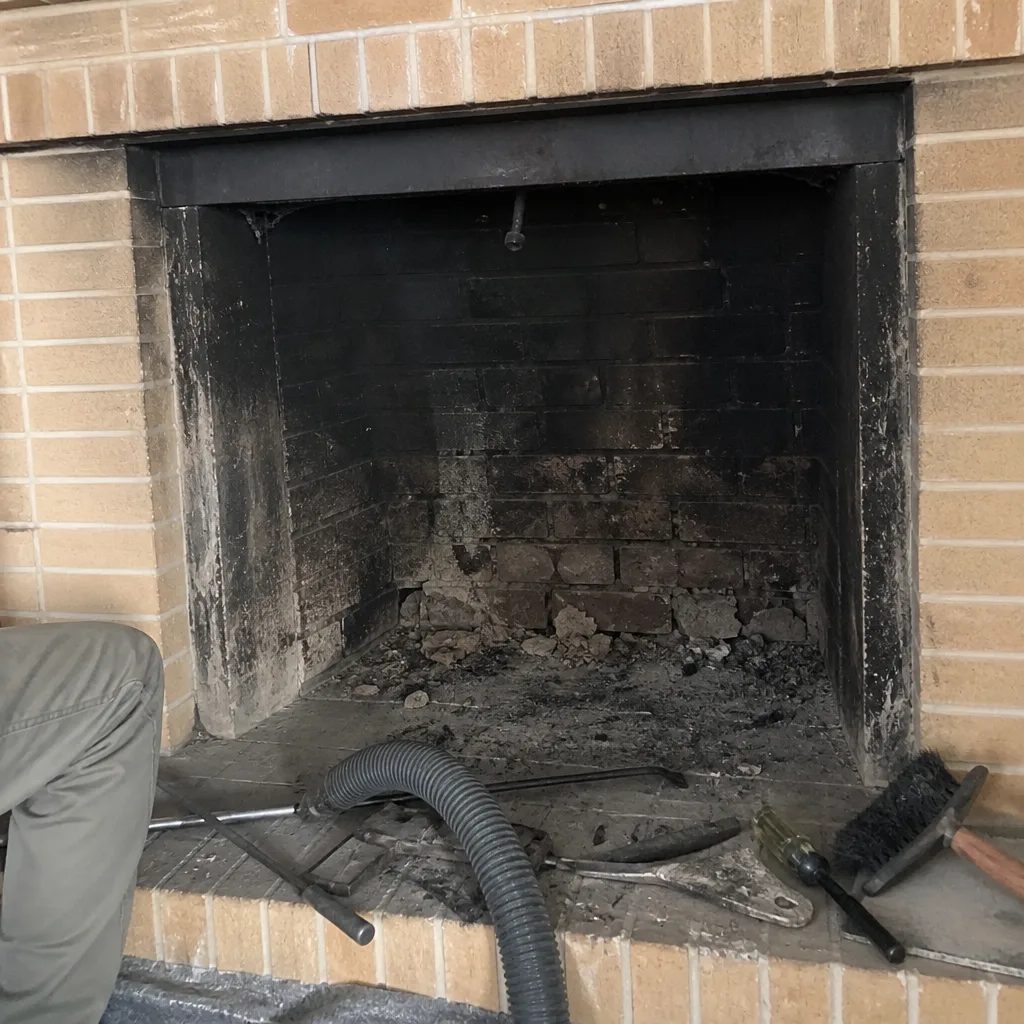 Before
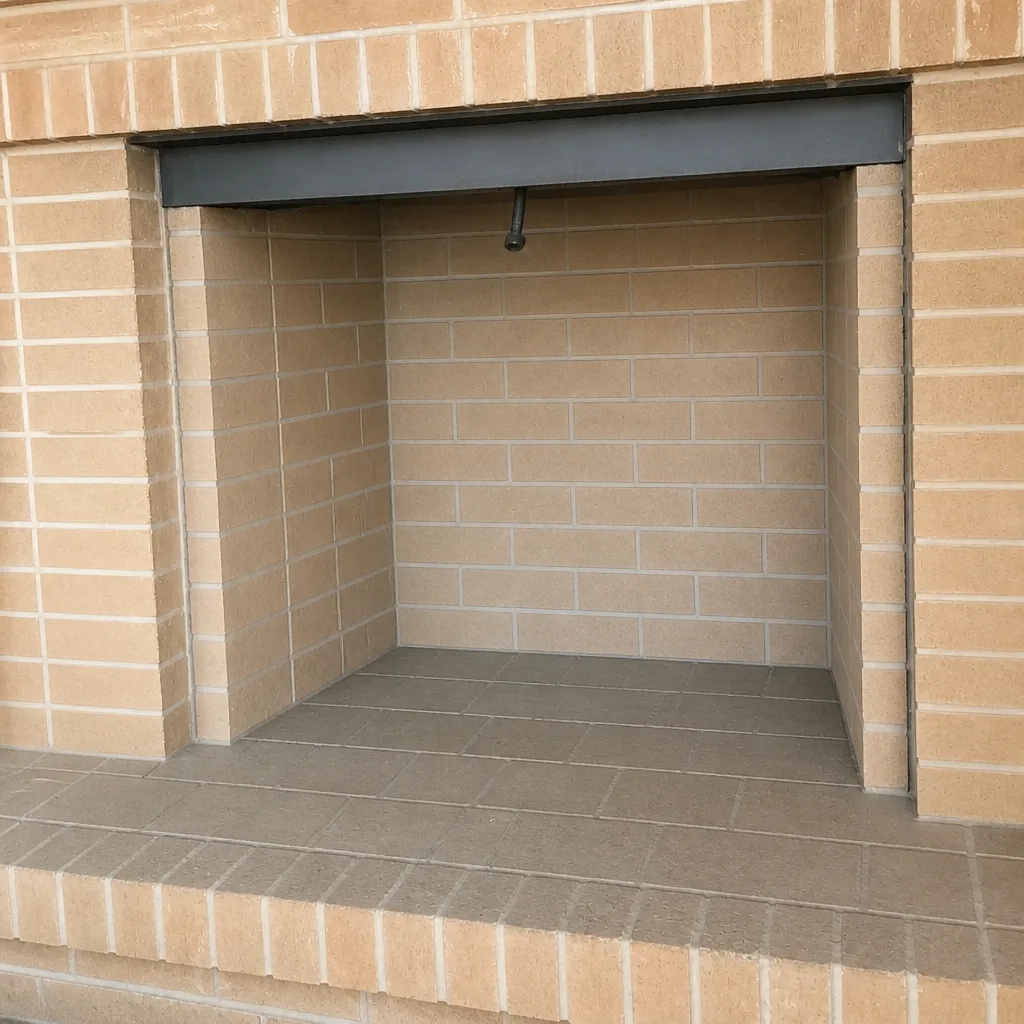 After
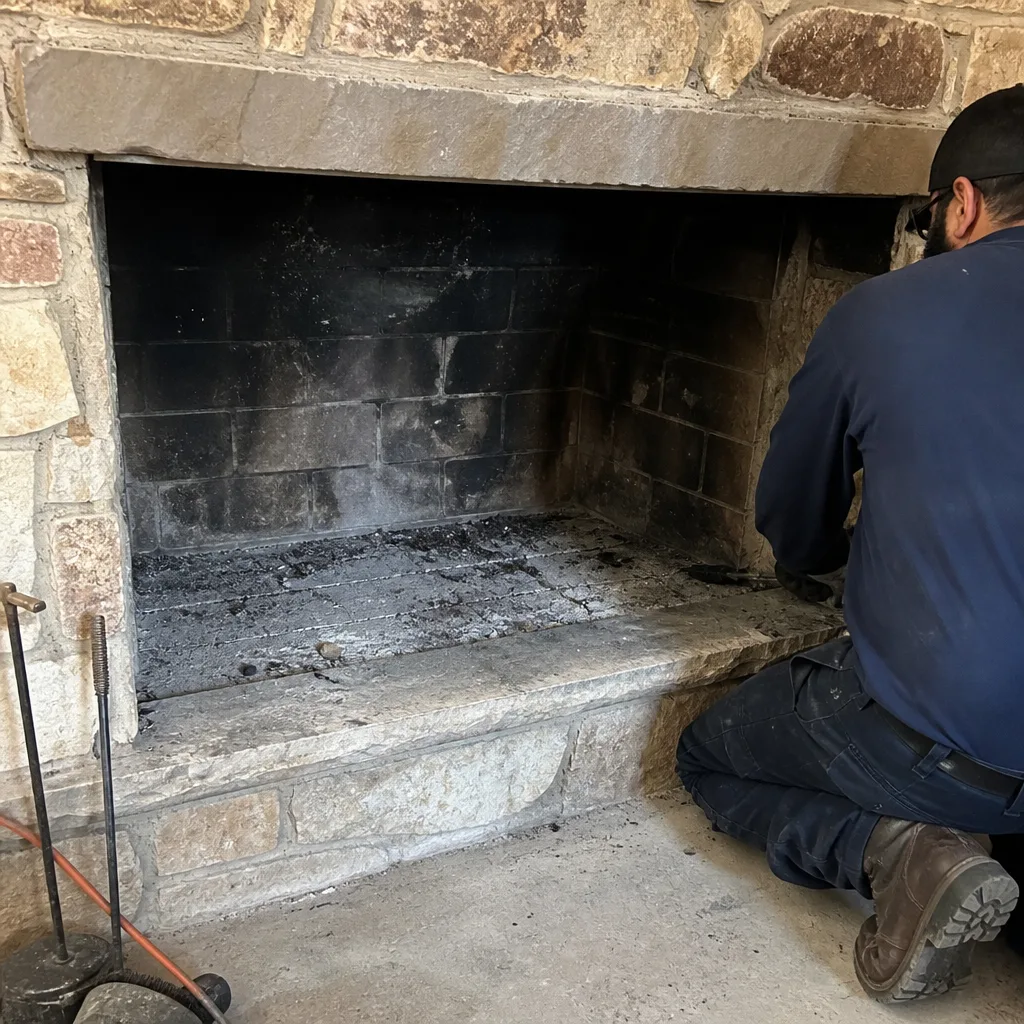 Before
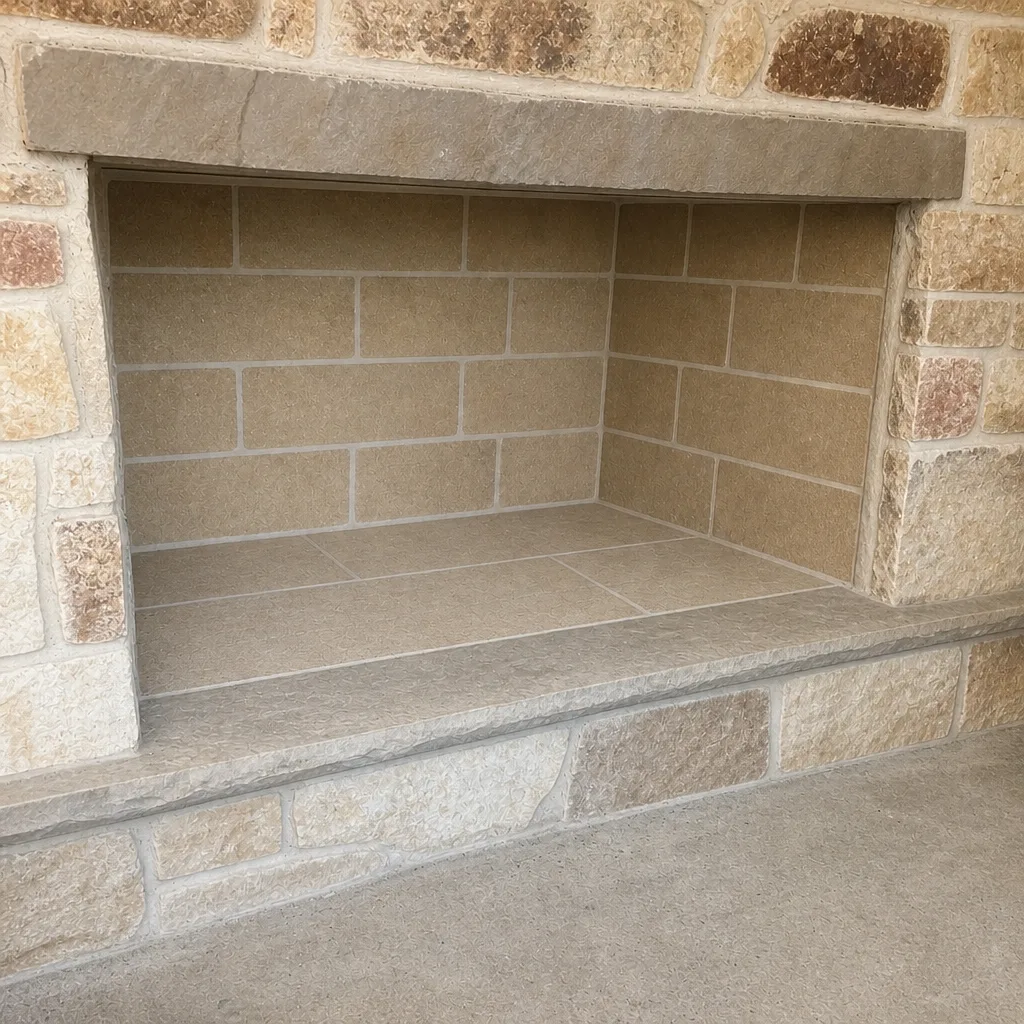 After
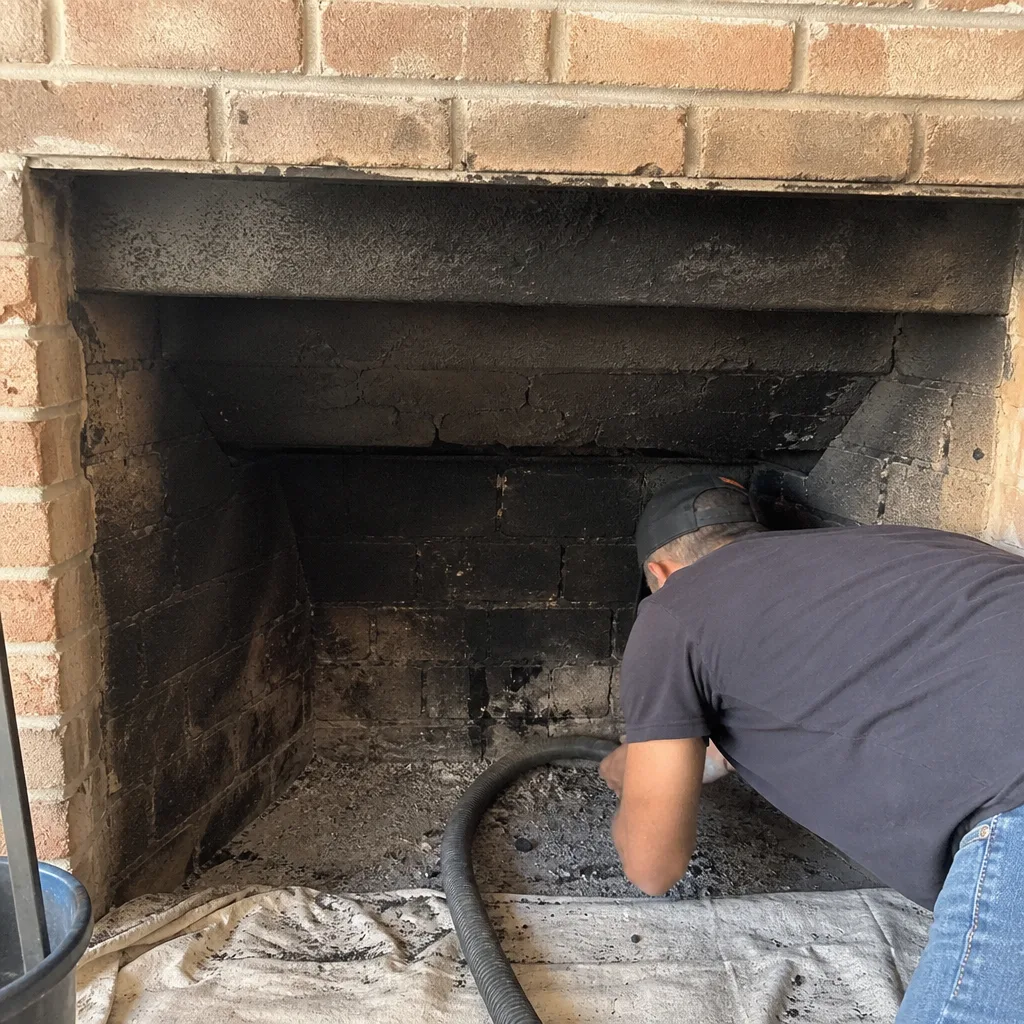 Before
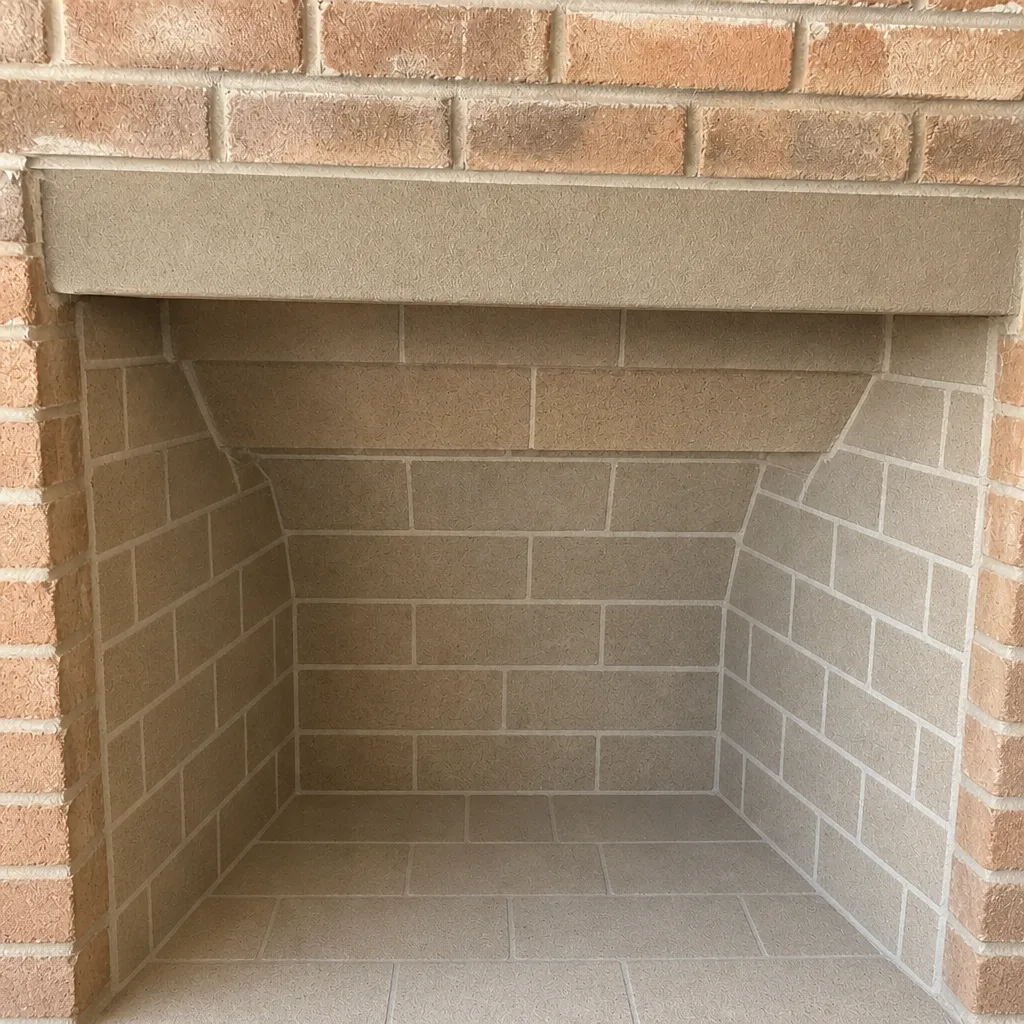 After
Common Mistakes to Avoid
- Treating “just how the fireplace smells” as normal. A smoky smell on a windy day is a draft failure, not a fireplace quirk. The right move is to get it inspected, not to open a window.
- Blaming draft problems on wind or weather. Odessa’s strong crosswinds can make a draft problem worse, but they can’t cause one. A wind-sensitive fireplace is telling you its draft is already weak.
- Assuming a quick sweep is enough. A sweep without an inspection can leave a liner problem or a moisture intrusion issue undiagnosed. Ask for the inspection and the report, every time.
- Ignoring efflorescence and crown cracks. The moisture source that creates white brick staining in Odessa’s caliche-heavy environment is the same moisture that damages the flue and lets a musty smell into the house. Seal the source, don’t just clean the stain.
- Using the fireplace after seeing mortar debris in the firebox. Any debris combined with smoke pushing into the room means the exhaust path is compromised. Stop and call.
- Replacing a chimney cap with hardware-store parts. A cap that isn’t sized for the flue won’t seal and will fail again. Professional-grade caps from Gelco or Famco are made for the specific flue dimensions and loads of the home.
- Paying for liner or masonry work without seeing the evidence. A photo report from a camera inspection is the standard. If a recommendation comes without photos you can see for yourself, ask for them before you agree to any work.
When to Call a Professional
Call a professional when you see any of the “stop using the fireplace immediately” signs, when you smell recurring creosote or musty odors, or when a chimney’s behavior changes from how it used to behave. A fireplace that drew well last season and doesn’t this season is telling you something has changed. Other clear cases are visible mortar debris, a damper that won’t seal, exterior brick staining, and any smoke entering the room. Chimney Sweep Odessa offers free estimates in Odessa, and we handle the three core services: chimney sweep, chimney repair, and chimney inspection under one roof. Call (833) 486-7503. We answer 24/7. Fast dispatch from 7am to 7pm, Sunday through Friday, closed Saturday.
Frequently Asked Questions
The most important single warning sign is a change in how the chimney behaves. A fireplace that used to draw well, smell clean, and burn steadily but now stalls, smells, or smokes is warning you that something has changed. Any consistent change warrants an inspection before the next fire.
A musty smell means moisture is getting into the chimney, usually through a failed crown, cracked cap, or deteriorated brick joints. Odessa’s climate makes this a common problem because the caliche content in local soil and water means visible white brick staining often accompanies the smell. The moisture source has to be sealed, not just cleaned.
Yes, but you should schedule an inspection soon rather than wait. White staining is efflorescence, meaning moisture is moving through the masonry. The brick itself isn’t failing yet, but the moisture path can damage the flue over time. Plan an inspection before the next heating season.
Smoke entering the room means the exhaust path is compromised. The cause could be a blocked flue, a collapsed or damaged liner, a mismatched flue size, or a missing cap. Stop using the fireplace until a professional has inspected it. Smoke entering the room also means combustion products are entering the room, which is not a cosmetic problem.
The answer depends entirely on what the inspection finds. HeatShield enables firebox and flue resurfacing, which restores a damaged surface without a full relining. DuraFlex liner systems are the right answer when the flue lining has fully failed or is separated. The inspection report’s photo evidence drives the recommendation. Ask to see the photos before you decide.
A chimney should be swept before each heating season, and any time you’ve burned more than a cord of wood. In Odessa, where dry wood and strong wind combine to make creosote buildup more noticeable, staying on a pre-season sweep schedule is the simplest way to catch problems early. Call for an inspection if it’s been more than one season since your last sweep.
The Bottom Line
Most chimney problems announce themselves before they become repairs. The smells, the white brick staining, the cracked crown, the sticky damper, the smoke entering the room: those are the warnings. The reason chimney damage tends to advance in Odessa is not that the signs are invisible. It’s that the signs get normalized. A smoky smell gets written off as normal fireplace behavior, and a draft problem gets blamed on wind, until a cleaning-level problem becomes a repair-level one. The fastest way to protect your chimney is to act on the warning signs and get the inspection done. The inspection gives you the diagnosis and the evidence, from professionals who use products like DuraFlex, HeatShield, Gelco, and Famco for the repairs that follow. Call (833) 486-7503. We answer 24/7. Fast dispatch from 7am to 7pm, Sunday through Friday, closed Saturday. Estimates are free.
Written by the team at Chimney Sweep Odessa.