
Last updated November 15, 2026
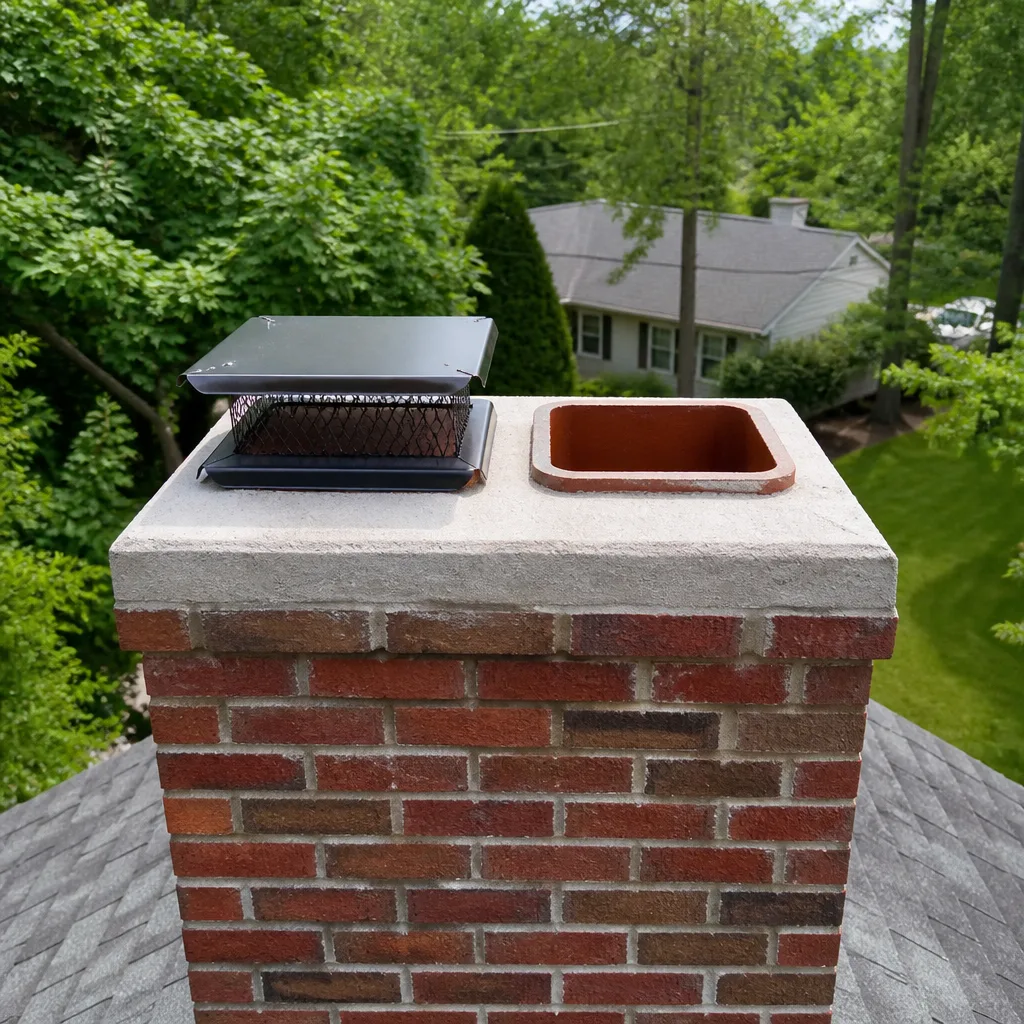 Sweep & inspection
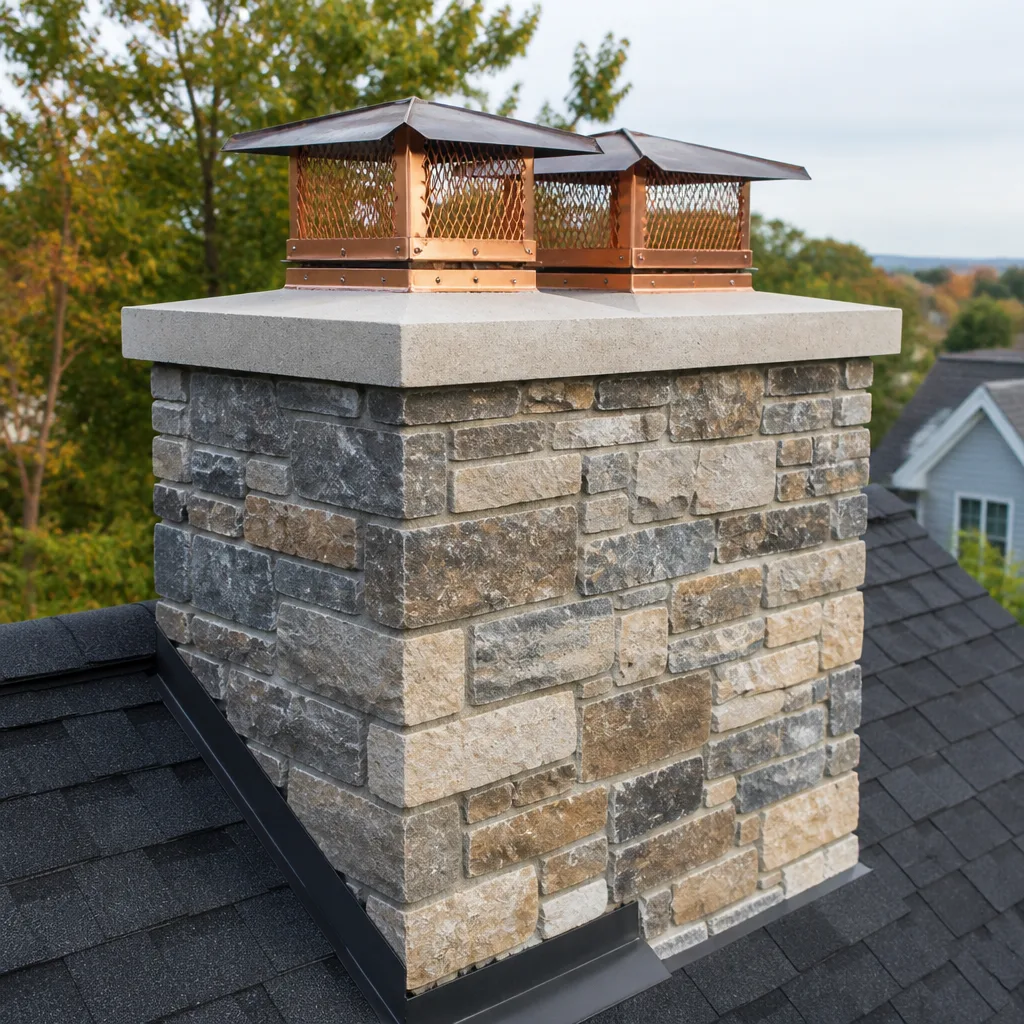 Caps & crowns
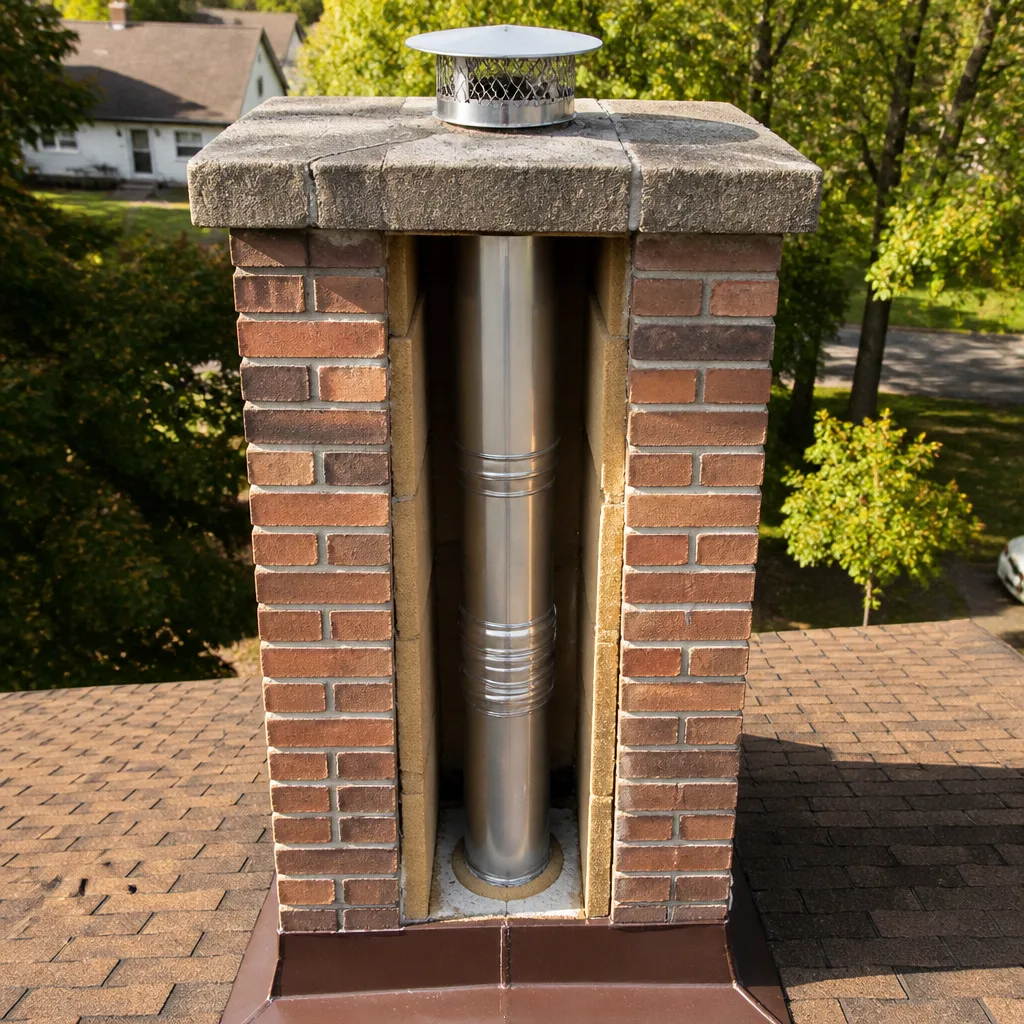 Flue relining
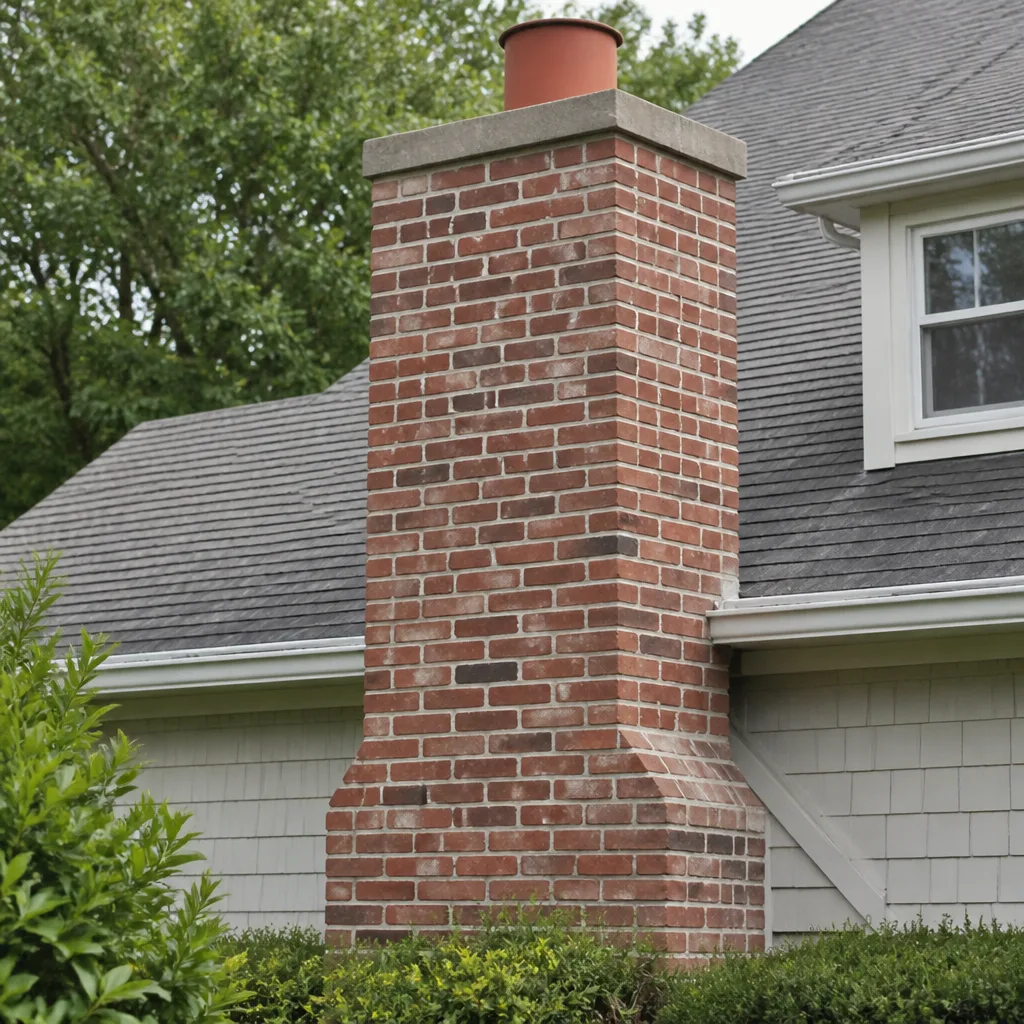 Masonry repair
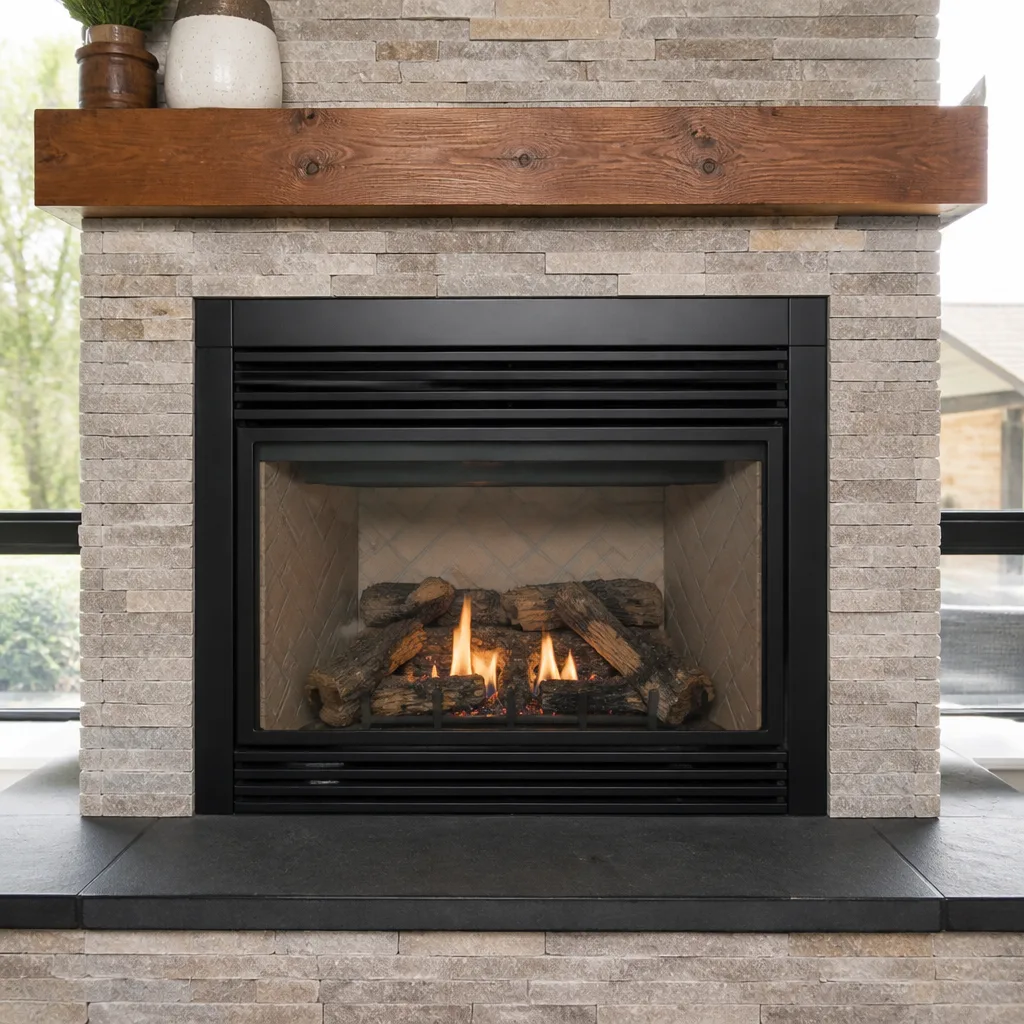 Gas fireplace service
Level 1 sweep and inspection to the NFPA 211 annual standard - flue, crown, cap, and flashing checked and photographed
Chimney sweep logs do not sweep chimneys. They loosen some creosote - which then falls where a brush and vacuum still have to collect it.
Chimney Sweep Troubleshooting in Odessa: Common Problems and How to Fix Them
If smoke is backing up into your living room, the instinct is to call for a sweep, but a dirty flue is only one of six possible causes, and cleaning it won’t fix the other five. That’s the part most homeowners miss. A chimney is a system, not a pipe, and every symptom you notice at the firebox traces back to a specific mechanical or structural cause: pressure imbalance, a failed damper, a cracked liner, moisture intrusion, a blocked cap, or yes, creosote buildup. In this guide we walk through how to read those symptoms, tell which ones you can safely check yourself and which need a camera, and understand what each finding actually means for the repair plan. Odessa chimneys have their own patterns, and we’ll get into those too.
Quick Answer
Most chimney problems in Odessa come down to one of six root causes: creosote buildup, negative pressure from wind and tight house construction, a stuck or damaged damper, a cracked or unlined flue, moisture intrusion through a failing cap or crown, or an obstruction like a bird nest or leaf pack. The symptom you experience (smoke rollback, odor, slow draw, staining, or a smoky smell on warm days) points to which of the six is actually happening. Diagnosing the right cause before booking a sweep is what prevents paying for a cleaning that doesn’t solve the problem.
Styles & brands we work with
- Sweep & inspection
- Caps & crowns
- Flue relining
- Masonry repair
- Gas fireplace service
Table of Contents
- The Symptom-to-Cause Diagnostic Tree
- Why Odessa’s Wind and Flat Roofs Mimic a Dirty Flue
- Damper Adjustment or Flue Resize? Telling the Difference
- Reading Creosote Stage 1, 2, or 3 Before a Sweep Arrives
- Safe DIY Checks vs. What Needs a Camera Inspection
- Moisture, Staining, and Cap Failures
- What Each Fix Actually Involves
The Symptom-to-Cause Diagnostic Tree
When a chimney misbehaves, the symptom usually narrows the cause to two or three candidates before anyone opens a tool bag. Reading those symptoms correctly is the difference between a $0 damper adjustment and a full reline. Here’s how we map it.
- Smoke rolling back into the room on startup: air pressure imbalance, a cold flue that needs priming, or a flue that’s undersized for the firebox opening. Rarely a dirty flue alone.
- Smoke backing up only on windy days: negative pressure from downdraft over the chimney top, or a cap that isn’t tall enough to clear the turbulence zone.
- Weak, lazy fire that won’t pull: blocked or partially blocked flue from creosote or debris, an oversized flue relative to the appliance, or a house that’s depressurized by exhaust fans.
- Smoky odor when the fireplace isn’t in use: pressure reversal on warm days, or creosote that’s absorbed odor and is releasing it back into the room.
- White staining on the exterior masonry: moisture migrating through the chimney from a failed crown, cap, or flashing detail.
- Rust or corrosion inside the firebox or damper: long-term moisture intrusion that’s also probably affecting the flue liner.
In our experience, about half the smoke-rollback calls we get in Odessa turn out to have a pressure cause, not a creosote cause. That’s why we lead with inspection. Running a camera down a flue that’s only marginally dirty tells you almost nothing about why smoke is coming back into the room. A proper Level 2 inspection pairs the flue scan with a pressure assessment and a visual of the whole system, top to bottom. That’s the difference between a diagnosis and a guess.
One more point worth stating plainly: some symptoms overlap. A single chimney can have negative pressure on windy days and a moderately dirty flue at the same time. Fixing one without checking the other leaves the homeowner with the same complaint three weeks later. Full-service chimney repair starts with mapping every relevant symptom, not just the loudest one.
Why Odessa’s Wind and Flat Roofs Mimic a Dirty Flue
Odessa sits in a stretch of West Texas where the wind rarely stops moving, and the shapes of our houses make the pressure problem worse than it would be elsewhere. Most of the housing stock here uses flat or low-slope roof profiles with parapet walls, and that geometry changes how air moves over the chimney top. When prevailing wind hits the parapet, it spills over the top and curls, and if the chimney cap sits inside that curl, the cap becomes a downdraft factory. The symptom the homeowner feels is identical to a dirty flue: smoke rolling back, weak draw, an unlit fireplace that smells.
Here’s the diagnostic tell that separates pressure from creosote:
- Watch the behavior over a week. If smoke backs up only when the wind is blowing, or only on a particular side of the fireplace, pressure is the leading suspect. If it rolls back consistently, even on calm days, creosote or a blocked flue is more likely.
- Crack a window near the fireplace. If a two-inch gap at a nearby window makes the fire draw correctly within a few minutes, the house is running at negative pressure. That points to pressure, not cleaning.
- Check when the kitchen or bath exhaust fans run. A modern tight house with strong exhaust ventilation can pull more air out than the fireplace can pull in. That’s a pressure story, not a sweep story.
- Note the time of day. Fires that only misbehave as the house cools in the evening are often temperature-inversion symptoms, not flue dirt.
The fix for pressure problems isn’t always structural. Sometimes it’s as simple as opening a window near the hearth at fire-up, or confirming that the HVAC return isn’t starving the room. Other times the cap needs to be raised, replaced with a taller model, or swapped for one with better wind tolerance. That’s where professional-grade components matter. Gelco and Copperfield caps are built with specific height and shape profiles that push the exhaust plume out of the turbulence zone, and specific brands and models make a measurable difference in wind-driven backdraft. We specify them for a reason: the cap is doing aerodynamic work, not decoration.
Odessa’s wind patterns are also seasonal. Late winter and early spring bring the strongest sustained winds, and that’s when we get the largest cluster of smoke-rollback calls. If your fireplace only complains from January through March, keep that detail in mind. It tells a technician more than a homeowner realizes.
Damper Adjustment or Flue Resize? Telling the Difference
Not every draft problem requires a liner, and not every draft problem can be fixed with a damper. Knowing which type you have changes the entire repair plan and the cost.
Damper-side problems are usually about control, not capacity. The damper is the metal plate at the top of the firebox that opens and closes the flue. When it sticks, doesn’t seat, or has lost a pivot pin, the chimney underperforms because the homeowner can’t modulate airflow. Those issues resolve with a hinge repair, a replacement damper, or a top-sealing damper installation, which we acquire through Olympia Chimney. A top-sealing damper also fixes the odor-when-not-in-use complaint because it seals the flue from above rather than just below.
Flue-side problems are about capacity and integrity. Two situations live here:
- Undersized flue for the firebox opening. A fireplace with a wide opening and a small flue will smoke regardless of damper condition. The ratio is fixed by physics, not by cleaning. Common in retrofitted fireplaces and in homes where the original firebox was swapped for a larger one without touching the flue.
- Cracked, spalled, or missing liner. A clay tile liner with visible cracking, gaps at the joints, or missing sections fails on two counts: it can’t contain combustion gases reliably, and the rough interior surface grabs creosote faster than a smooth one. Insulated stainless liner systems such as DuraFlex are sized to the appliance and installed as a complete replacement.
The difference shows up on camera. A Level 2 inspection reveals whether the smoke complaint comes from an oversized flue (needs resizing), an undersized flue (needs resizing), a deteriorated liner (needs relining), or a healthy flue with a damper or pressure issue. Recommend a reline without a camera, and you’ll hear a hesitance from any informed homeowner. That hesitation is justified. Nothing gets recommended on our jobs without camera evidence the homeowner can watch on screen.
Reading Creosote Stage 1, 2, or 3 Before a Sweep Arrives
Creosote is the residue of incomplete combustion, and it grades into three recognizable stages. Knowing which stage is present in your flue before a sweep arrives tells you what to expect from the cleaning and whether the repair plan will need to expand. A safe visual check of the firebox and visible flue area can give you a rough sense. Never reach into the flue or try to scrape deposits yourself.
- Stage 1 (soot and light fluff). Fine, dusty, gray-black deposits. Wipes off with a brush. This is normal accumulation from regular burning. A standard chimney sweep clears it completely, and no secondary work is triggered.
- Stage 2 (flakey, crusty deposits). Harder, textured, darker deposits that flake when disturbed. Stage 2 means the fire has been running below optimal temperature for a while, often because the wood was under-seasoned or the air control was too tight. Still sweepable with the right tools, but worth flagging to the technician as a sign the burning habits need adjustment.
- Stage 3 (glazed, tar-like deposits). A hard, shiny, dark coating that bonds to the liner surface. Stage 3 doesn’t come off with a standard brush. It’s treated with a chemical agent and re-checked, or the liner is replaced. Stage 3 is also the stage most associated with chimney fire risk, because the glazed surface ignites at much lower temperatures than flaky creosote.
Stage matters because the total job changes. A Stage 1 sweep is a single-visit cleaning. A Stage 2 sweep often includes a recommendation on wood moisture content and air control habits. A Stage 3 situation may need a chemical treatment with a return visit, and if the glazed deposits have compromised the liner, the conversation shifts to a reline. That’s not upselling; that’s what the flue is telling us. Residential burning habits in Odessa lean toward hardwoods that season slowly in our low-humidity air, so we see plenty of Stage 2 and Stage 3 from wood that was bought dry but stored in the yard under a tarp.
One clue you can pick up before we arrive: smell. Stage 3 glazed creosote often produces a sharp, clinging odor that’s noticeable in the room even when the fireplace is cold. Stage 1 usually doesn’t.
Safe DIY Checks vs. What Needs a Camera Inspection
There are checks a careful homeowner can safely perform, and there are checks that require a camera and a trained eye. Mixing them up either wastes time or creates risk. We tell our customers the same thing: visual is fine, tactile is not, and anything beyond the firebox is professional territory.
Safe to check yourself:
- Firebox visual. With the fireplace cold and no fire for at least 24 hours, look at the brickwork and mortar joints. Cracks wider than a hairline, missing mortar, or white powdery deposits suggest moisture or heat damage worth flagging.
- Damper operation. Open and close the damper by hand. It should move smoothly, seat fully closed, and open to a clear vertical position. A damper that sticks, falls open on its own, or won’t close is worth a service call.
- Cap and chimney top, from the ground with binoculars. Looking from the yard, check whether the cap is intact, whether birds are entering, and whether the crown at the top of the chimney is cracked. Don’t climb the roof.
- Smoke-pattern check. Light a small fire with a window cracked slightly, and watch whether the smoke goes up cleanly or rolls into the room. Note wind direction and speed at the time. That detail is diagnostic gold.
Requires a Level 2 inspection:
- Flue interior. Camera-only. The visible firebox tells you nothing about the liner 15 feet up, and most liner cracks are invisible from the bottom.
- Creosote stage. Stage classification requires seeing the whole flue, not just the zone above the damper.
- Obstructions. A camera is how we confirm whether a bird nest, leaf pack, or fallen tile is blocking the flue, and where.
- Chase and flashing details. The chase cover and roof transitions need to be inspected at roof level with the proper safety equipment. Never a DIY task.
Safety note for the DIY list: never reach up into the flue with a hand, brush, or any improvised tool. Creosote is caustic, glazed deposits can cut, and a chimney that hasn’t been inspected can hide structural damage you can’t feel but can very easily make worse. Visual from below is safe. Anything above the damper is a professional-grade job.
Moisture, Staining, and Cap Failures
Water is the quietest chimney killer in Odessa. Our climate is dry most of the year, which means homeowners often assume moisture isn’t a factor here. But the rain that does arrive in West Texas comes in concentrated bursts, and a chimney that takes on water in a single storm can hold it for weeks inside masonry that doesn’t dry fast. The results are visible from the outside long before the firebox complains.
What moisture does to a chimney system:
- Spalls the masonry. Water enters the brick, expands when temperatures swing, and pops the face of the brick off. Once spalling starts it doesn’t self-correct.
- Rusts the damper and firebox components. A rusted damper seizes. A rusted firebox pan deteriorates.
- Degrades the flue liner. Moisture combined with combustion byproducts creates acidic conditions that eat away at clay tile mortar joints.
- Creates efflorescence. The white, chalky staining that shows up on exterior chimney faces is the visible trace of water moving through the masonry.
The moisture entry points are usually one of three: a cracked or sloped-wrong crown at the chimney top, a missing or undersized cap that lets rain enter the flue directly, or failed flashing at the roof transition. Of the three, the missing cap is the most common and the easiest to solve. A properly fitted cap with the right height and clearance keeps rain and wildlife out without restricting draft. This is where spec-grade hardware pays for itself. Gelco and Famco caps are constructed to specific dimensions rather than being improvised from a hardware store kit, and the difference shows in how the cap sits through years of wind and sun. We also install chase covers for flat-roof chimney chases, which are common in Odessa housing stock and prone to standing water if the original cover has rusted through.
A crown that’s cracking but not yet causing interior damage is one of the few chimney repairs that can safely wait, provided the homeowner checks it again after the next significant rain. We’ll say so plainly when that’s the case. Water damage compounds, but not so fast that a good repair next month becomes a crisis if it wasn’t already one.
What Each Fix Actually Involves
Once the diagnosis is clear, the repair plan follows directly. Here’s what the common fixes look like in practice.
Sweep. A standard sweep clears soot and Stage 1 deposits from the flue, smoke chamber, and firebox. Camera inspection is part of the visit. If the result shows a liner problem, we can quote the reline from the same appointment rather than asking the homeowner to schedule a second company.
Liner replacement. A full reline involves removing or isolating the existing liner, sizing a new stainless system to the appliance, and installing an insulated liner. DuraFlex liner systems let us complete the reline during the repair visit, not as a separate scheduled job. The functional benefit isn’t marketing language: a properly sized, insulated flue maintains gas temperature better, which reduces creosote adhesion and improves draft.
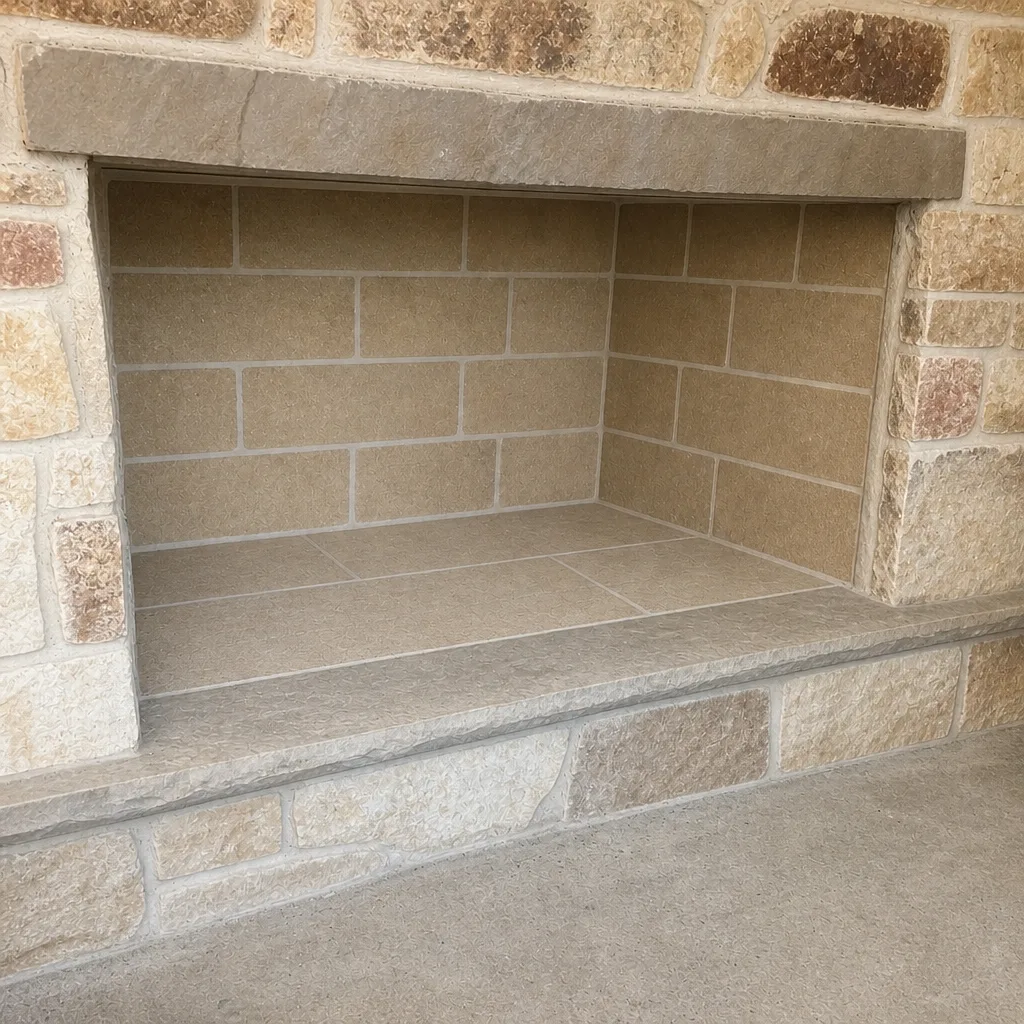
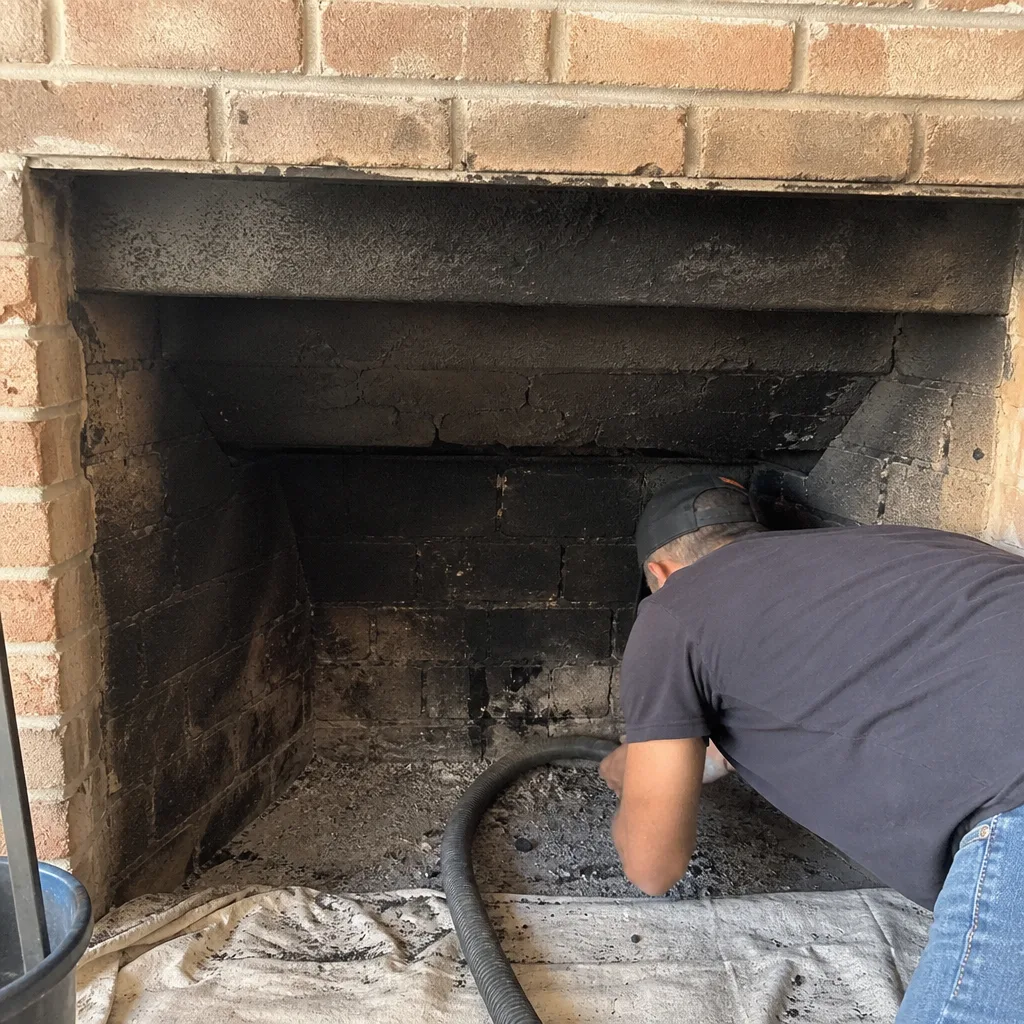
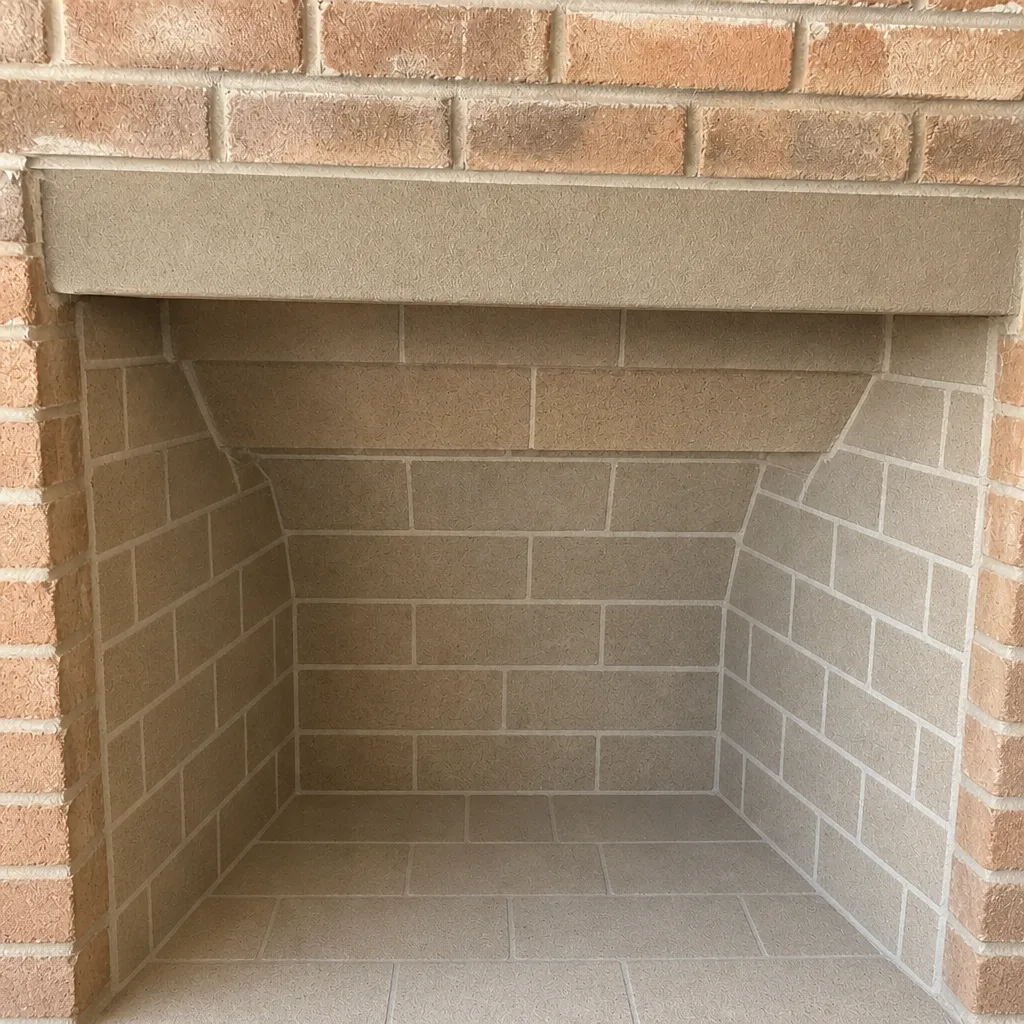
Firebox and smoke chamber restoration. When the firebox mortar is failing but the surrounding masonry is sound, resurfacing is the right repair. HeatShield restoration products are formulated for exactly this application, and the process requires a trained applicator. Most sweep-only companies can’t perform this work in-house and will outsource it. We don’t.
Cap and cover replacement. A cap swap is a short job when the chase is accessible and the surrounding masonry is intact. It’s what we do most often for moisture complaints and bird intrusion. Gelco and Famco cover the range of shapes and fitments needed for Odessa chase profiles.
Damper repair or replacement. Ranges from a hinge repair to a top-sealing damper install. Top-sealing dampers resolve both the control problem and the odor-when-not-in-use problem in one move.
Pressure mitigation. Sometimes this is a cap-height change, sometimes it’s a damper adjustment, sometimes it’s confirming the room has sufficient combustion air. On more than one Odessa job, the correct answer has been to add a small dedicated air inlet near the hearth rather than modify the chimney at all.
Every one of those services sits inside a single company here, which is unusual in this trade. Need an Odessa technician who can sweep, repair, and inspect without coordinating three contractors? That’s the entire job for us.
Common Mistakes to Avoid
- Assuming every smoke rollback is a cleaning problem. If the flue’s mostly clean and the smoke still comes back, the cause is pressure, damper, or flue sizing, and cleaning twice won’t help.
- Booking a sweep without asking whether a Level 2 inspection is included. A quick brush-and-go sweep can miss a cracked liner, a bird nest, or a failing damper. The inspection is the diagnostic half of the visit, not an add-on.
- Burning unseasoned wood to save money on fuel. Wet wood is the single fastest route to Stage 2 and Stage 3 creosote. In Odessa’s dry climate it’s tempting to trust the wood pile, but moisture meters are the only way to know.
- Ignoring a rusted damper. Rust inside the firebox means water is getting in from above. It’s a moisture symptom, and leaving it alone lets the same water reach the liner and the chase.
- Assuming a dry climate rules out moisture damage. West Texas rains come hard and fast, and masonry holds water far longer than homeowners expect. Efflorescence on the exterior face is a signal worth investigating.
- Climbing the roof to “check things out.” Roof-level inspection is where most fall injuries in this trade happen. Nothing on the chimney top is worth a ladder decision. If the cap looks wrong from the ground, book a professional.
- Trying to sweep a flue with a hardware-store brush and no camera. You can’t tell whether the deposits are Stage 1 or Stage 3 from below, and pushing a brush through a failing liner can make a minor crack into a serious one.
See the difference
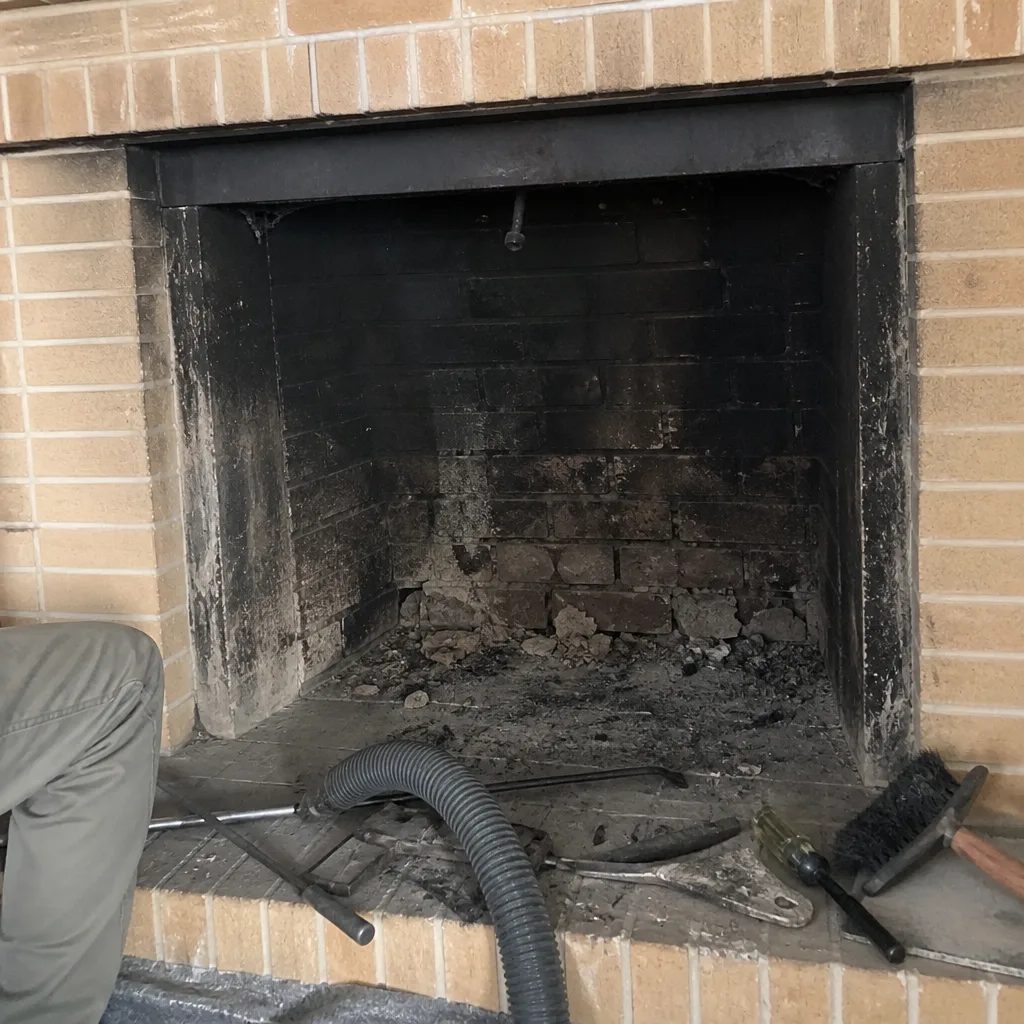 Before
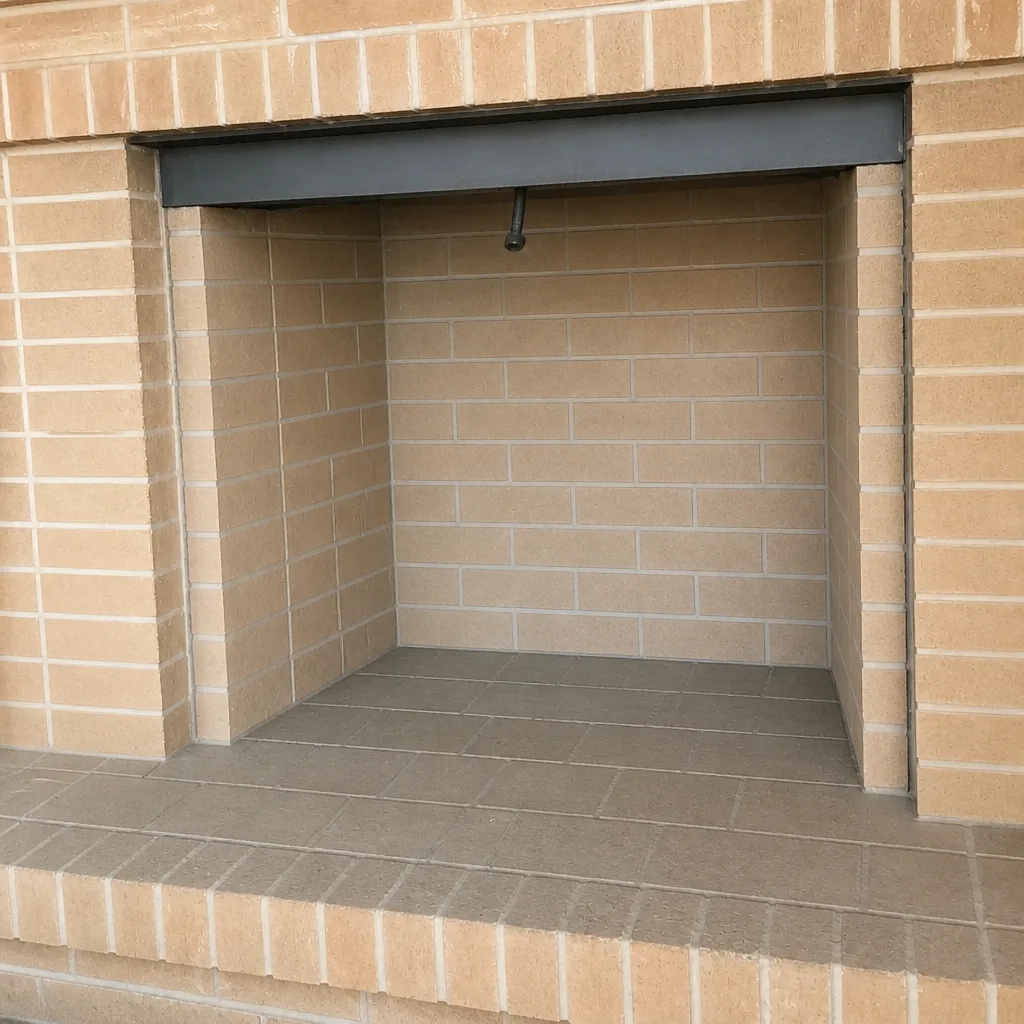 After
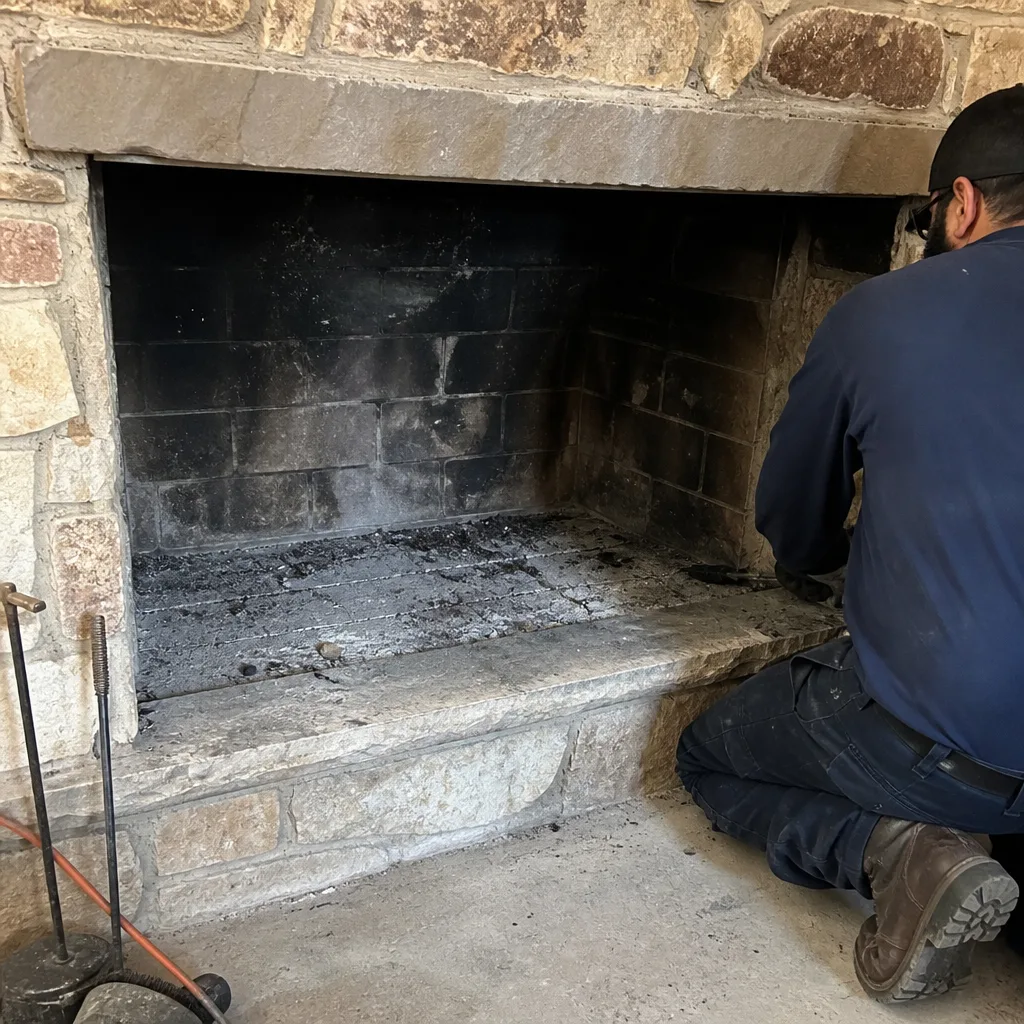 Before
 After
 Before
 After
When to Call a Professional
Some chimney problems are worth watching. Others need a technician on the calendar. Call us if you see smoke rolling back into the room on more than one occasion, if the fireplace smells smoky when it’s not in use, if you spot white staining on the exterior chimney face, if the damper no longer moves freely, if you notice rust or corrosion in the firebox, or if you can’t remember the last time the chimney was inspected. Those are the six symptom categories from the diagnostic tree above, and each one has a specific fix once we know which category it’s in.
If you’re also seeing fresh creosote drops in the firebox or you hear crackling that doesn’t match the fire itself, call immediately. Those can indicate Stage 3 deposits or an active problem inside the flue. Chimney Sweep Odessa offers free estimates in Odessa, and our technicians have up to 12 years of experience. Call (833) 486-7503. We answer 24/7. Fast dispatch from 7am to 7pm, Sunday through Friday.
Frequently Asked Questions
Chimneys should be swept once a year for most households that burn regularly through the cool season, or sooner if creosote has accumulated past Stage 1. A good rule is to have the flue inspected annually even if a full sweep isn’t needed, because the inspection is what catches changes in the liner, cap, and crown before they become expensive. Call (833) 486-7503 for a free estimate if it’s been more than a year since the last inspection.
Creosote keeps accumulating and moves up the stages, and Stage 3 glazed deposits ignite at much lower temperatures than flaky creosote, which is the mechanism behind chimney fires. The secondary risk is that a slow leak or a cracked liner goes unnoticed for years and turns into a full reline instead of a small repair. Skipping a sweep isn’t a single failure, it’s stacking two failure modes on top of each other. Call (833) 486-7503 for an inspection before the next season.
Wind-driven smokeback is a pressure problem, not a creosote problem, and the most common cause in this area is downdraft over the chimney top because of parapet and roofline geometry. Raising or replacing the cap, adjusting the damper, or confirming the house isn’t running at negative pressure are the typical fixes. A camera inspection confirms whether a partially blocked flue is making the pressure issue worse. Call (833) 486-7503 for a free estimate and have us diagnose the cause before booking a sweep.
Only if the existing liner is cracked, missing sections, or unlined and the appliance requires containment, and that determination should come from camera evidence you can see on screen, not a verbal recommendation. Many smoking complaints trace to pressure, damper, or flue size rather than a liner failure, and we’ll say so plainly when the liner is fine. When a reline is genuinely needed, DuraFlex systems let us complete it in the same visit as the repair. Call (833) 486-7503 for a free estimate.
Yes, there are safe checks: looking at the firebox brickwork for cracks, testing the damper movement by hand, and using binoculars from the ground to spot cap or crown damage. Anything above the damper level requires a camera and a professional eye, and reaching into the flue is never safe. If the firebox shows more than hairline cracks or the damper sticks, that’s the point to call. Call (833) 486-7503 for a free estimate.
An inspection is diagnostic, a sweep is corrective. The inspection evaluates the whole system (flue, firebox, damper, cap, crown, chase, roof transition) with a camera and produces a photo report, and the sweep is the cleaning that follows once the diagnosis is clear. Both belong in the same visit for most jobs, and doing the sweep first without inspection is how liner problems go undetected. Call (833) 486-7503 to book the full visit with one company.
The Bottom Line
Chimney problems feel like a mystery until you learn to read the symptoms. Smoke rollback, weak draw, odor, staining, and rust all point to specific causes, and each cause has a defined fix. In Odessa, pressure imbalance is the deciding factor on more complaints than homeowners expect, and it’s almost always confused with a dirty flue. The right sequence is inspection first, camera evidence on screen, then a repair plan sized to what the flue actually shows. Sweep, repair, and inspection belong in the same visit and the same company. That’s what Chimney Sweep Odessa is set up to do.
If you’ve been guessing at the cause of a smoking fireplace or an odor that won’t go away, stop guessing. Call (833) 486-7503 for a free estimate. We answer 24/7, with fast dispatch from 7am to 7pm, Sunday through Friday. Our technicians have up to 12 years of experience, we source professional-grade components including DuraFlex, HeatShield, and Gelco, and we don’t recommend work without camera evidence you can see for yourself.
Written by the team at Chimney Sweep Odessa.